What Goes Into Preparing a Shop Pad or House Pad?
A Building Project Goes Smoother When the Site Is Ready First
Preparing a shop pad or house pad is not just about making the ground look level. The pad area needs to support the future structure, move water correctly, allow access for equipment and materials, and work with concrete, asphalt, utilities, septic, driveways, and the rest of the site plan.
For property owners around Rogers and Northwest Arkansas, building pads often have to account for slope, runoff, soft areas, wooded land, rural access, drainage paths, and future surface needs. If those details are missed early, they can create problems later in the build.
A good pad starts with planning the site around the structure and everything that needs to happen around it.
Pad Prep Is the Dirt Work That Supports the Structure
A shop pad or house pad is the prepared area where the future structure will sit. Depending on the project, the pad may need clearing, excavation, grading, drainage correction, base material, compaction, utility planning, concrete work, and cleanup.
Pad prep may include:
- Clearing brush, trees, debris, or overgrowth from the build area
- Opening driveway or equipment access to the site
- Excavating high areas or filling low areas
- Rough grading and finish grading
- Correcting drainage around the building location
- Preparing the subgrade for base material
- Placing and compacting base rock or fill when needed
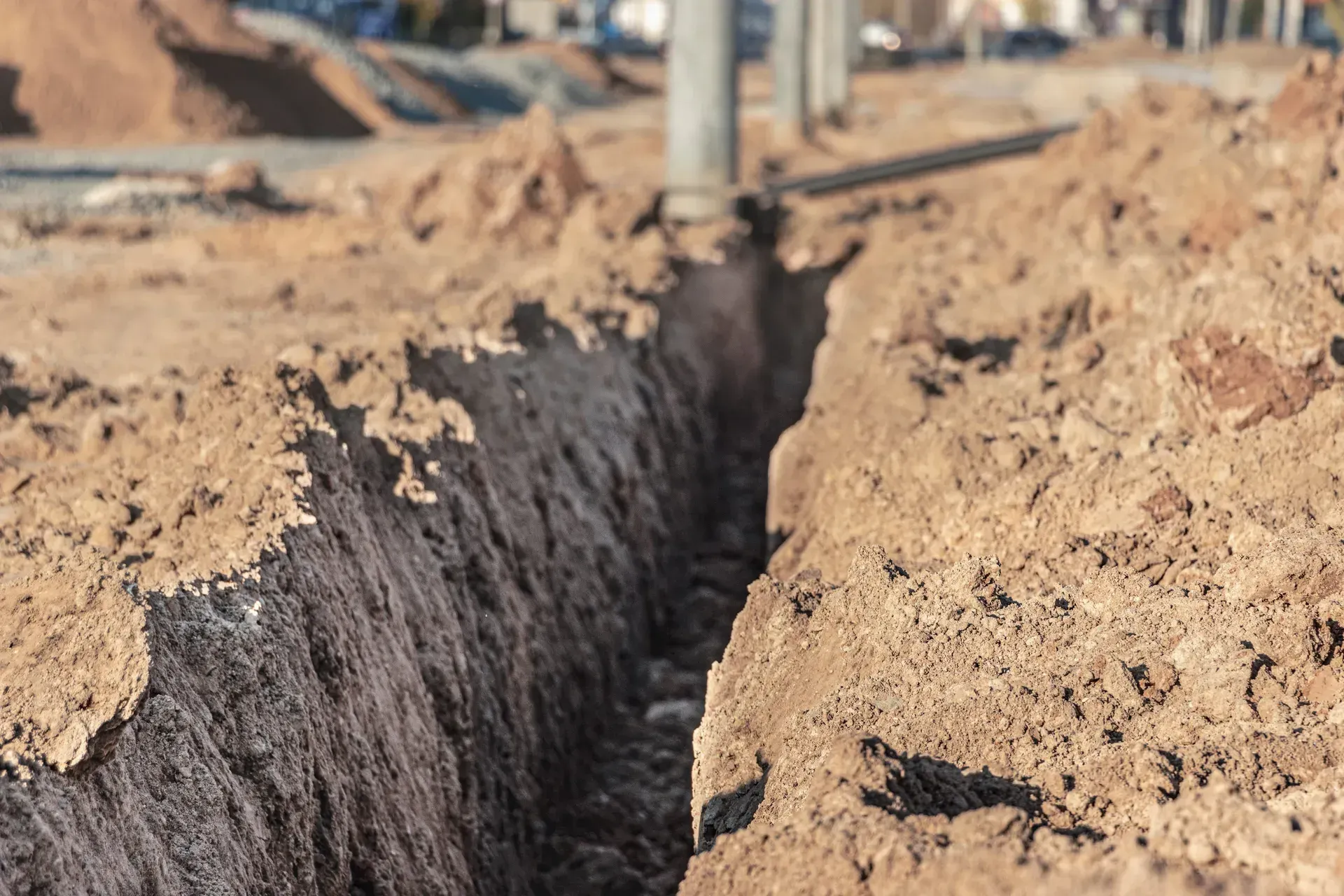
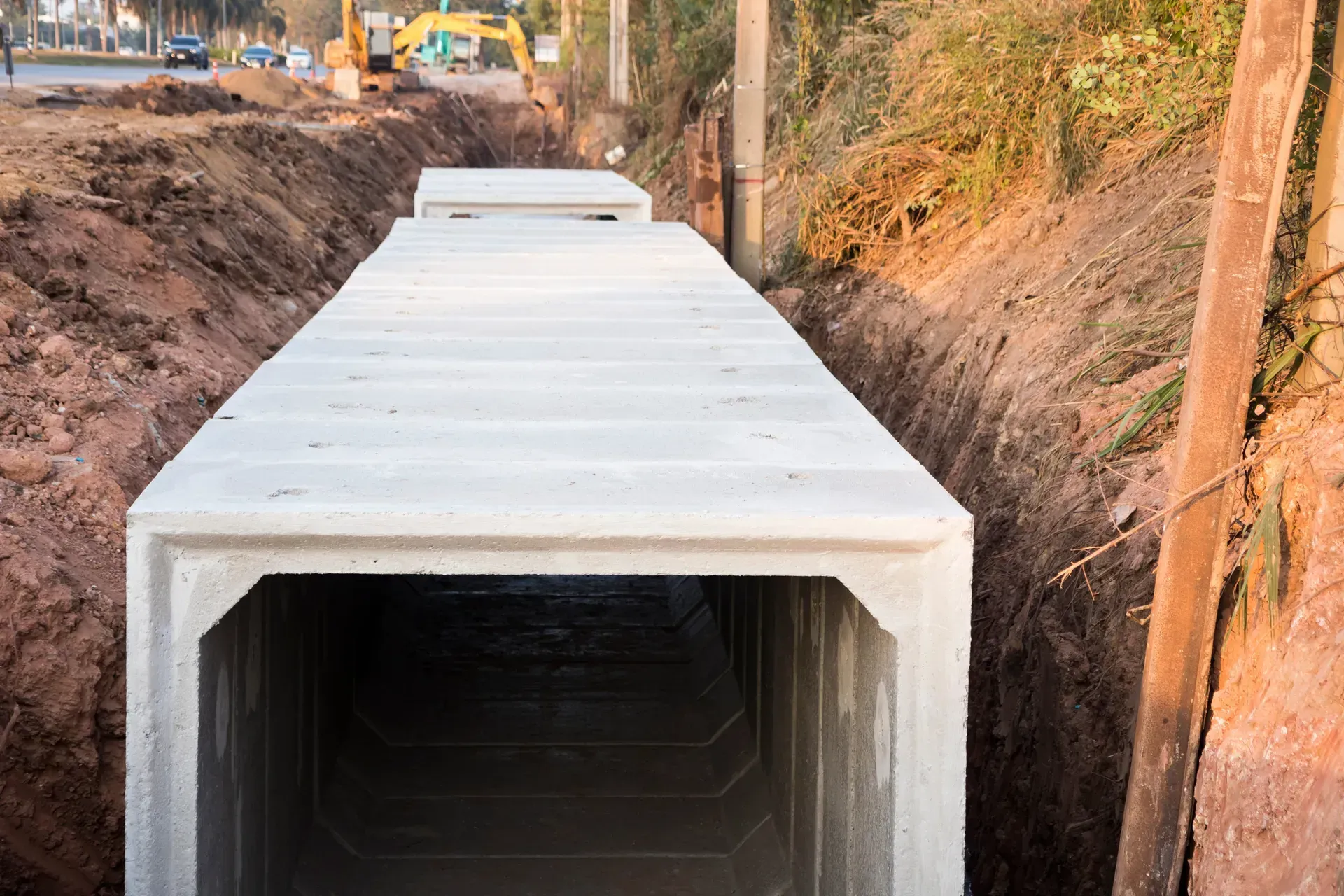
- Planning utility trenching, septic prep, or drainage lines
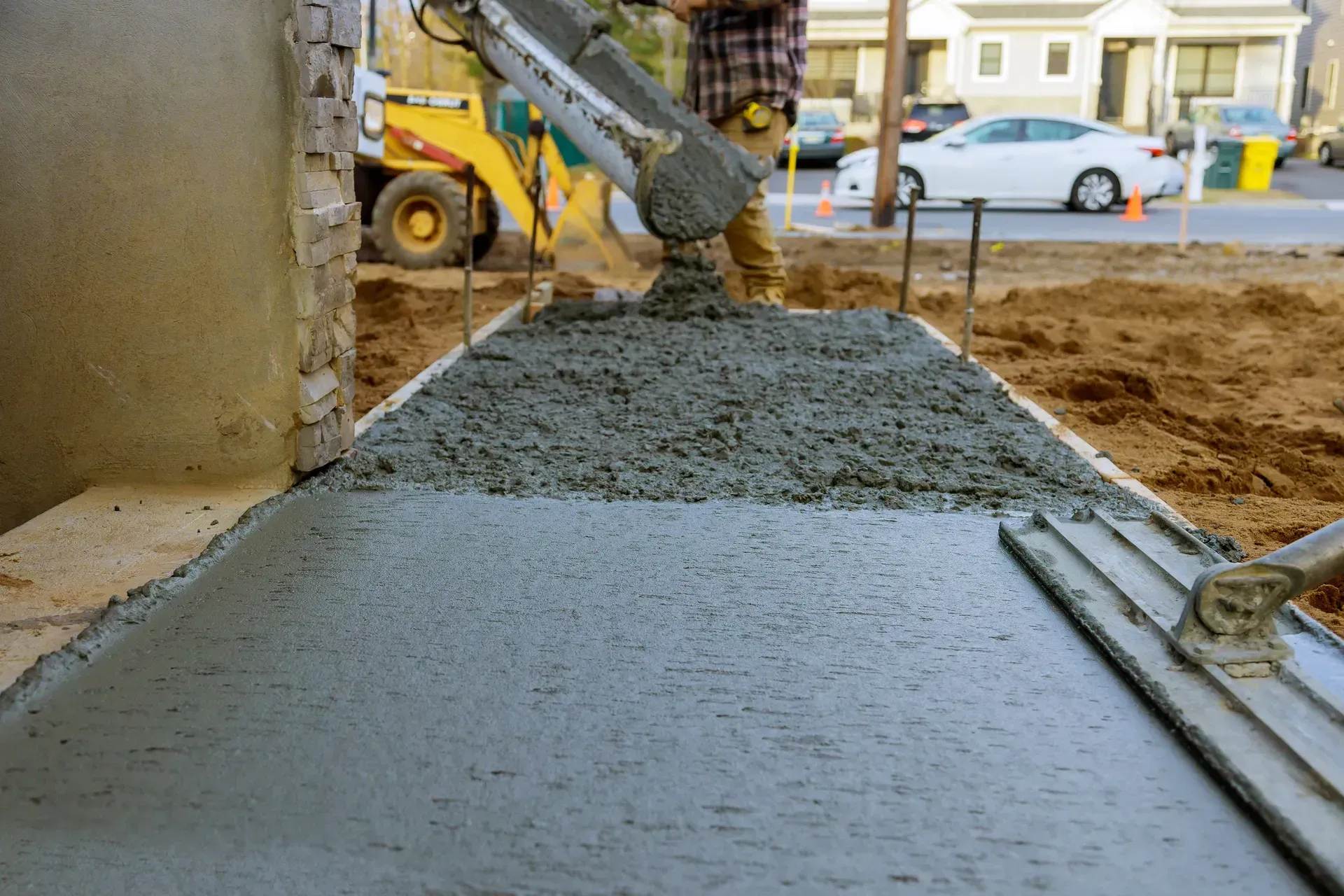
- Preparing for concrete slabs, approaches, or aprons
- Considering asphalt or gravel access around the finished structure
- Hauling in material or removing spoils and debris
The exact scope depends on the building type, site conditions, soil, slope, drainage, and what the structure needs to support.
The Pad Affects the Slab, the Structure, and the Site Around It
A poorly prepared pad can create problems that show up after the project is already moving. Water may collect around the slab. The base may settle. Access may not support trucks or equipment. Utility trenching may be missed until after surfaces are finished. Concrete or asphalt may be installed over a site that was not properly shaped.
Pad prep matters because it affects:
- How water moves around the future structure
- Whether the building area is stable and properly shaped
- How concrete slabs, aprons, driveways, or asphalt surfaces perform
- Whether trucks, builders, and equipment can reach the site
- Where utility, septic, or drainage lines need to go
- Whether material needs to be hauled, placed, compacted, or removed
- How much rework may be needed later
The pad is one piece of the site, but it connects to almost everything else around the build.
What Should Be Considered Before Preparing a Pad?
Before pad work begins, it helps to review the property as a whole.
Access to the build area
Equipment, material deliveries, concrete trucks, asphalt work, builders, and future vehicles may need a driveway, road, construction entrance, or stabilized access route.
Water flow and drainage
Water should not be directed toward the future structure or allowed to sit around the pad. Grading, ditches, swales, culverts, or drainage paths may be needed.
Elevation and slope
The pad should be shaped around the surrounding grade. Cutting, filling, and leveling may be needed so the building area works with the rest of the property.
Soil and base conditions
Soft, wet, loose, or unsuitable material may need to be corrected before the pad can support the next phase.
Concrete and asphalt needs
If the project includes a concrete slab, apron, driveway, parking area, or asphalt access, the base, grade, compaction, and drainage should be planned before the finished surface goes in.
Utilities and septic
Utility trenching, septic prep, drainage lines, and underground work should be considered before final grading, concrete, asphalt, or finished access routes are completed.
Hauling and cleanup
Pad work can create spoils or require imported material. Hauling, spreading, compaction, and final cleanup should be part of the plan.
Common Building Pad Prep Mistakes
Pad prep can create expensive rework when it is treated as a simple leveling job instead of part of the full site plan.
Common mistakes include:
- Preparing the pad before planning driveway or equipment access
- Making the area flat without considering water flow
- Ignoring drainage until after concrete or construction begins
- Placing concrete over weak, wet, or poorly prepared base material
- Forgetting utility, septic, or drainage trenching until after final surfaces are installed
- Skipping compaction or base prep where the site needs support
- Leaving spoils, brush, debris, or old material in the way
- Treating the pad separately from driveways, concrete, asphalt, drainage, and cleanup
A better approach is to prepare the pad around how the structure and property will actually be used.
A Practical Order for Preparing a Shop Pad or House Pad
A building pad project should be planned in a sequence that supports the full build.
Step 1: Define the structure and site goal
Identify whether the project is a shop, house, garage, barn, metal building, addition, or other structure, and what surfaces or access will be needed around it.
Step 2: Open access to the work area
Clear the route, build a construction entrance, improve the driveway, or prepare access for equipment and deliveries.
Step 3: Clear and clean the pad area
Remove brush, trees, debris, old material, concrete, asphalt, or anything that prevents proper prep.
Step 4: Handle excavation and grading
Cut, fill, shape, level, and prepare the area around the needed elevation and surrounding grade.
Step 5: Plan drainage before final pad work
Correct runoff, low spots, ditches, swales, culverts, or water paths before the slab or structure is installed.
Step 6: Prepare base, compaction, utilities, and surfaces
Coordinate base prep, compaction, utility trenching, septic prep, concrete, asphalt, and cleanup so the pad is ready for the next phase.
This sequence can help the pad support the structure instead of creating problems around it.
Services
Related Services to Review
These services are commonly involved in shop pad and house pad preparation.

Planning a Shop Pad, House Pad, or Future Slab?
You do not have to know every dirt work step before asking for help. Start with what you are building, where it will sit, and what the property conditions look like now.
RCR Construction can help you think through clearing, access, drainage, excavation, grading, base prep, concrete, asphalt, utilities, hauling, and the next practical step.
Contact Us
Ask About Preparing a Shop Pad or House Pad
Share the property location, what you are building, and what site conditions may affect the pad. RCR Construction can help you understand the next practical step.