What Makes a Gravel, Asphalt, or Concrete Driveway Hold Up Better Over Time?
A Driveway Is Only as Strong as What Supports It
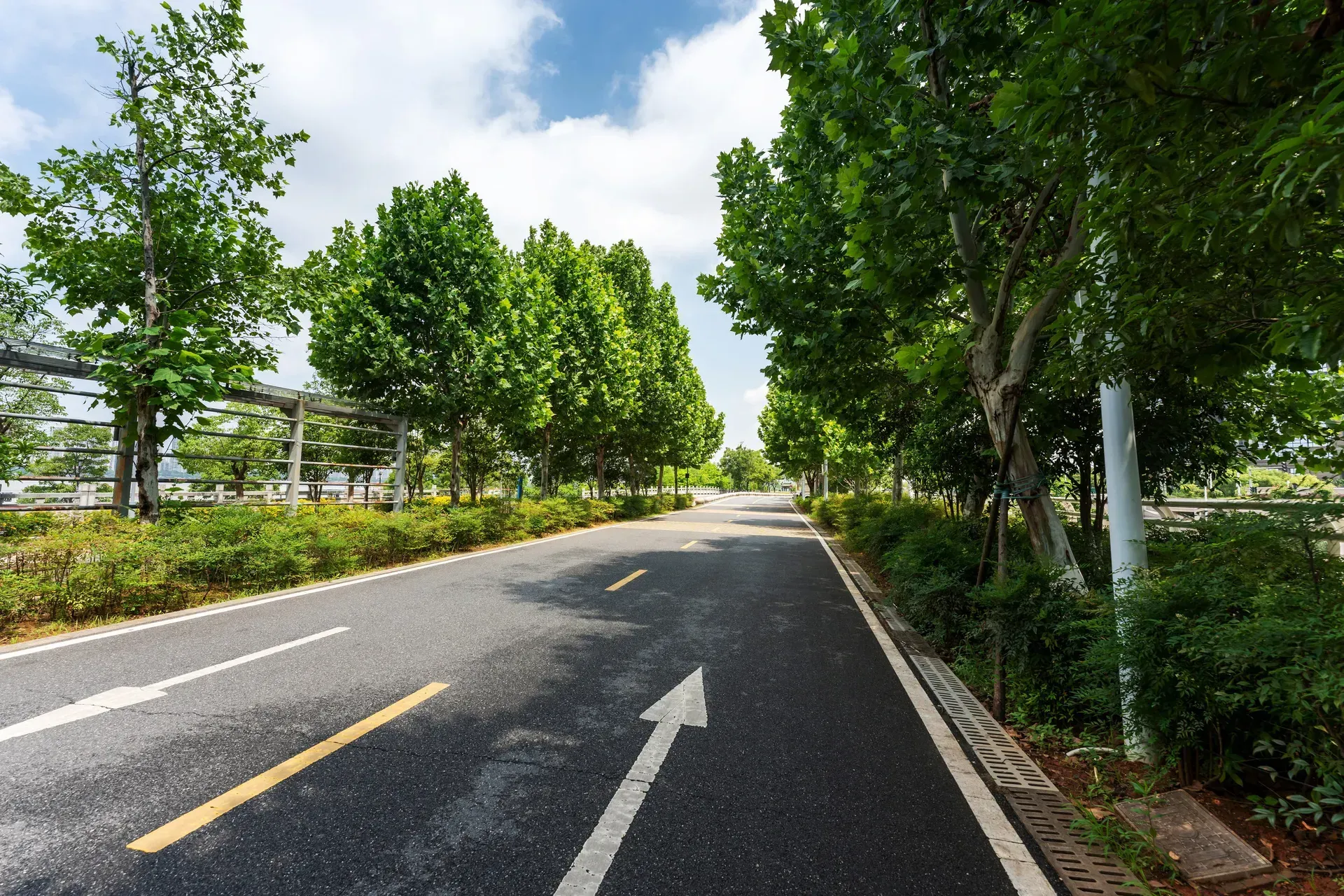
A driveway can look finished on the surface and still fail early if the grade, drainage, base, or compaction underneath it is wrong. This is true for gravel, asphalt, and concrete driveways.
For property owners around Rogers and Northwest Arkansas, driveways often have to deal with rain, slope, runoff, clay or soft ground, construction traffic, rural access, and regular vehicle use. Those conditions can expose problems quickly when the driveway is not prepared correctly.
The surface material matters, but the work underneath the surface usually decides how well the driveway holds up over time.
Driveway Performance Comes From the Whole System
A driveway is more than gravel, asphalt, or concrete. It is a system made up of the route, subgrade, base, drainage, slope, surface, edges, and traffic load.
A stronger driveway plan may involve:
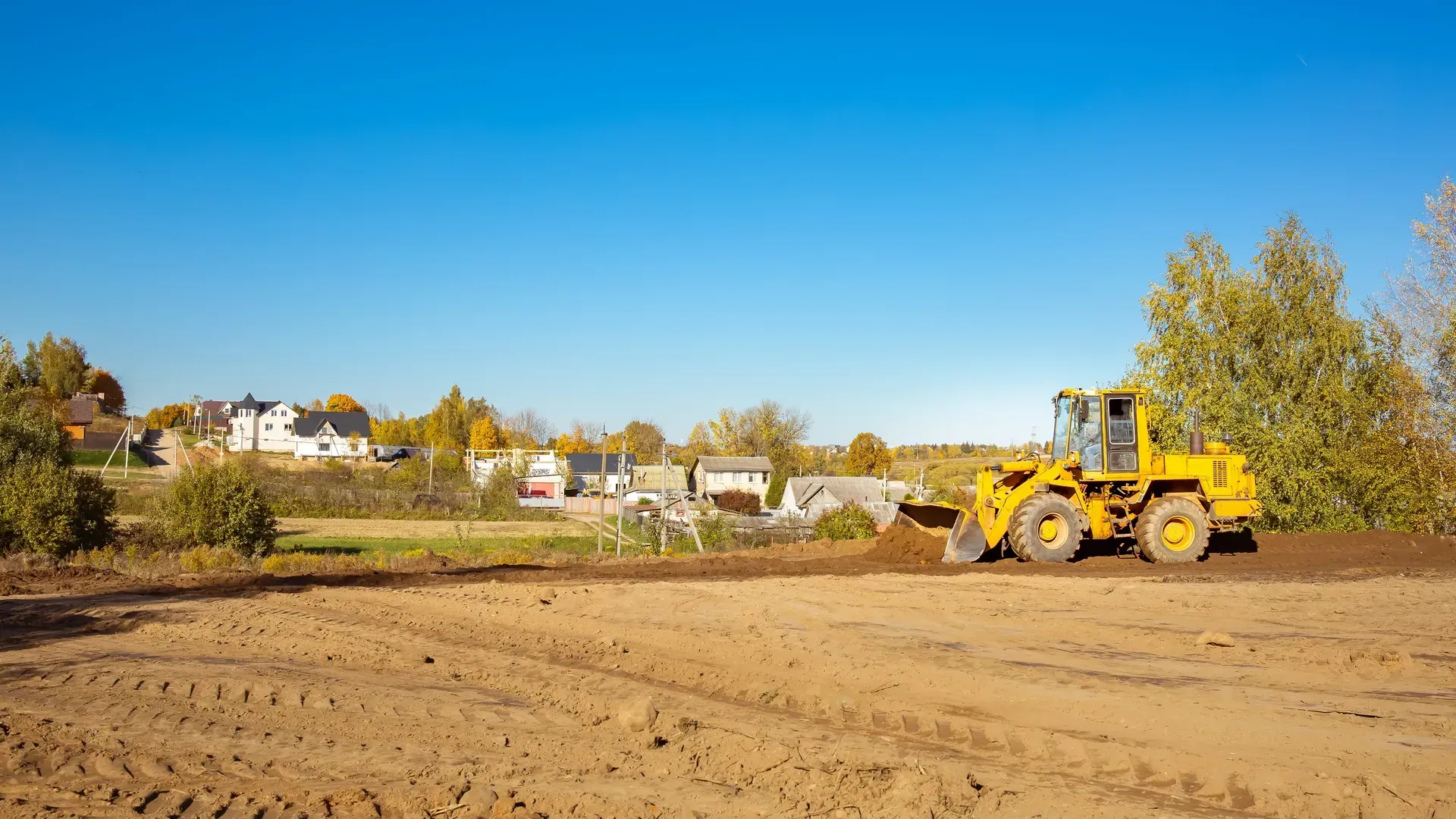
- Clearing the access route
- Excavating soft or unsuitable material
- Shaping the route with proper grade
- Correcting runoff before surface work
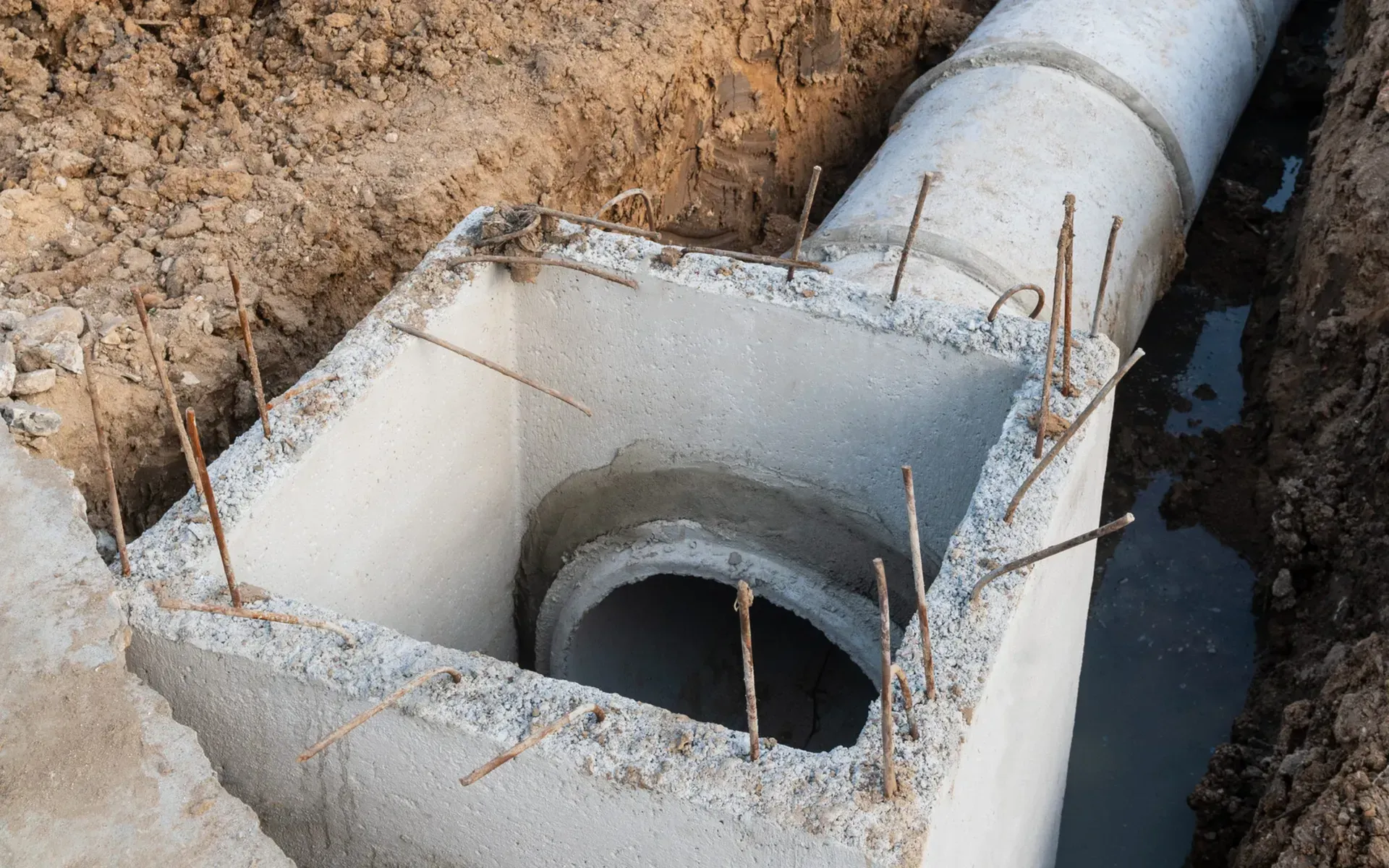
- Installing or replacing culverts where water crosses
- Building a stable base layer
- Compacting material properly
- Choosing the right surface for the use
- Managing edges, ditches, and outlets
- Planning for future maintenance
Gravel, asphalt, and concrete each perform differently, but all three need the same basic support: a stable base and a way for water to move away.
Most Driveway Problems Start Below the Surface
When a driveway keeps rutting, cracking, washing out, settling, or holding water, the issue is often not just the top layer. The visible problem may be a symptom of poor drainage, weak base, bad grade, soft subgrade, or water crossing the route.
Common driveway failures include:
- Gravel washing away after rain
- Ruts forming where tires travel
- Potholes or soft spots developing
- Asphalt cracking, rutting, or breaking apart
- Concrete settling, cracking, or holding water
- Edges eroding or breaking down
- Water crossing the driveway instead of moving under or beside it
Adding more material may help temporarily, but if the base or drainage issue remains, the problem can come back.
What Helps a Driveway Last Longer?
Several parts of the driveway plan affect long-term performance.
Proper drainage
Water is one of the biggest threats to any driveway. Runoff should not sit on the surface, cross uncontrolled, saturate the base, or cut the edges. Ditches, swales, culverts, slope, and outlets may all matter.
A stable base
The base supports the surface. Gravel, asphalt, and concrete all need a prepared foundation that matches the soil, traffic, and intended use.
Correct grading
The driveway should be shaped so water moves off or away from it. Gravel drives may need crown or slope. Asphalt and concrete need slope that moves water without creating unsafe or low areas.
Good compaction
Loose or poorly compacted material can settle, rut, or shift. Compaction helps the base and surface perform better under traffic.
Suitable material choice
Gravel, asphalt, and concrete each have strengths. Gravel can be practical for rural access and long drives. Asphalt can provide a smoother flexible surface. Concrete can work well for durable approaches, slabs, and finished drive areas. The best option depends on budget, use, site conditions, and maintenance expectations.
The right route and width
A driveway route should account for turning, equipment, trailers, drainage crossings, slopes, and future access needs. A route that is too steep, narrow, or poorly placed can create ongoing problems.
Common Driveway Planning Mistakes
Driveway issues often happen when the finished surface is planned before the site conditions are understood.
Common mistakes include:
- Adding gravel without fixing the drainage problem
- Installing asphalt over a weak or saturated base
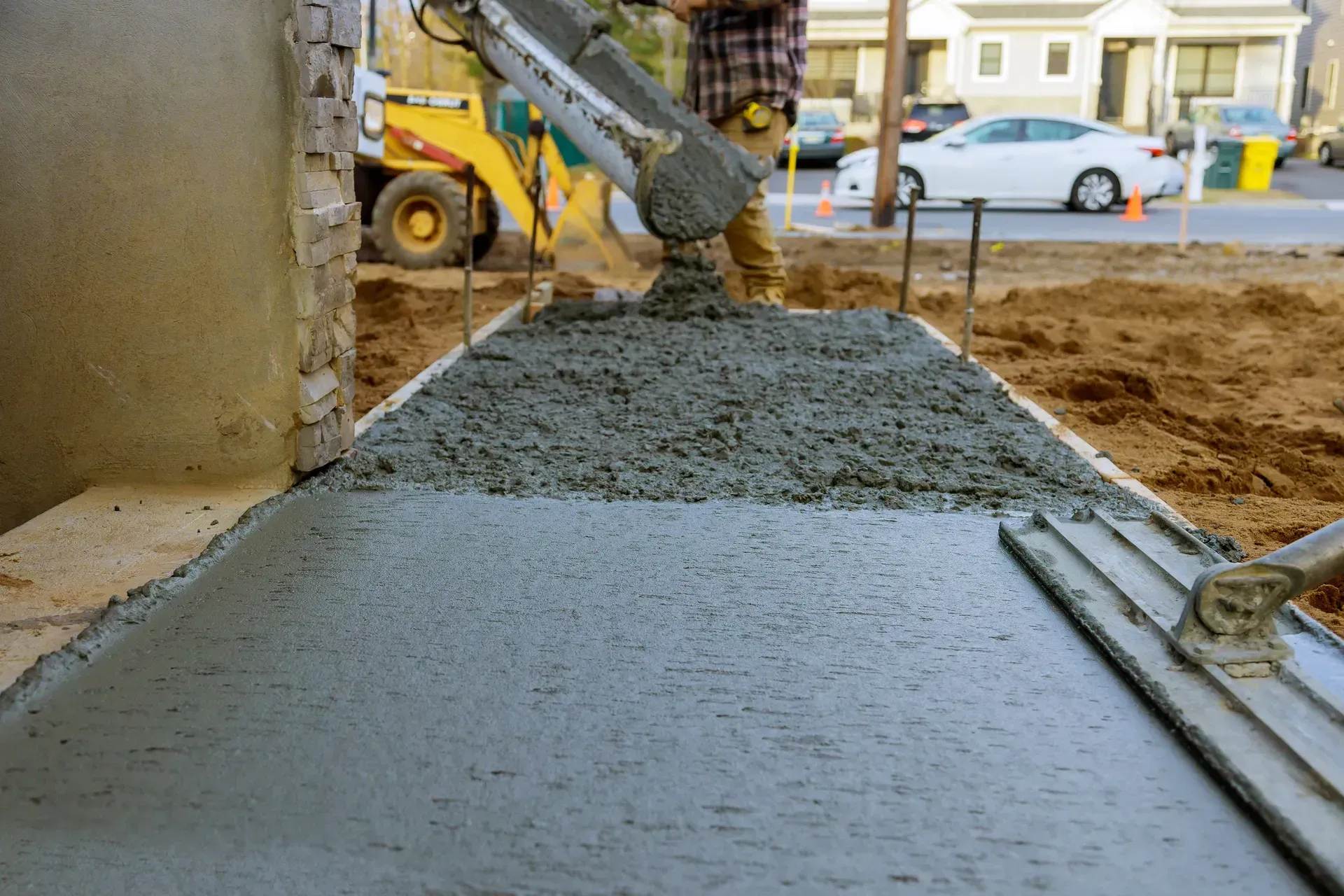
- Pouring concrete where water still collects
- Skipping culverts where runoff crosses the route
- Grading the driveway flat instead of shaping it to shed water
- Using too little base material for the traffic load
- Ignoring soft spots before the surface goes in
- Forgetting that construction traffic may require stronger access than regular daily use
- Letting driveway edges wash away without stabilizing water flow
A driveway should be planned around water, base, traffic, and future use before the final surface is installed.
A Practical Way to Plan a Stronger Driveway
Before building, rebuilding, or resurfacing a driveway, it helps to review the route as a whole.
Step 1: Watch where the water comes from
Watch where runoff crosses the driveway, where water collects, and where ditches, swales, or culverts may be needed.
Step 2: Check the existing base or soil
Soft, muddy, loose, or unstable areas may need excavation, base correction, or compaction before surface work.
Step 3: Decide how the driveway will be used
Daily residential use, rural equipment, trailers, construction traffic, commercial access, and heavy trucks may require different prep.
Step 4: Choose the surface after reviewing the site
Gravel, asphalt, and concrete can all work well when they are matched to the property and prepared correctly.
Step 5: Plan drainage before the finished surface
Culverts, ditches, grading, and outlets should usually be addressed before new gravel, asphalt, or concrete is installed.
Step 6: Include hauling, spreading, and cleanup
Material delivery, base rock, spoils removal, grading, and final cleanup should be part of the plan.
This helps the driveway function as access, not just as a surface.
Services
Related Services to Review
These services are often connected to driveway performance.
Not Sure Which Driveway Surface Makes Sense?
You do not have to choose gravel, asphalt, or concrete before understanding the site conditions. The better first step is looking at access, drainage, base, grade, traffic, and what the driveway needs to support.
RCR Construction can help you think through whether the route needs grading, culverts, drainage correction, base prep, gravel, concrete, asphalt, hauling, or a larger access plan.
Contact Us
Ask About Your Driveway or Access Route
Share the property location, what type of driveway you are considering, and what problems you are seeing now. RCR Construction can help you understand the next practical step.