






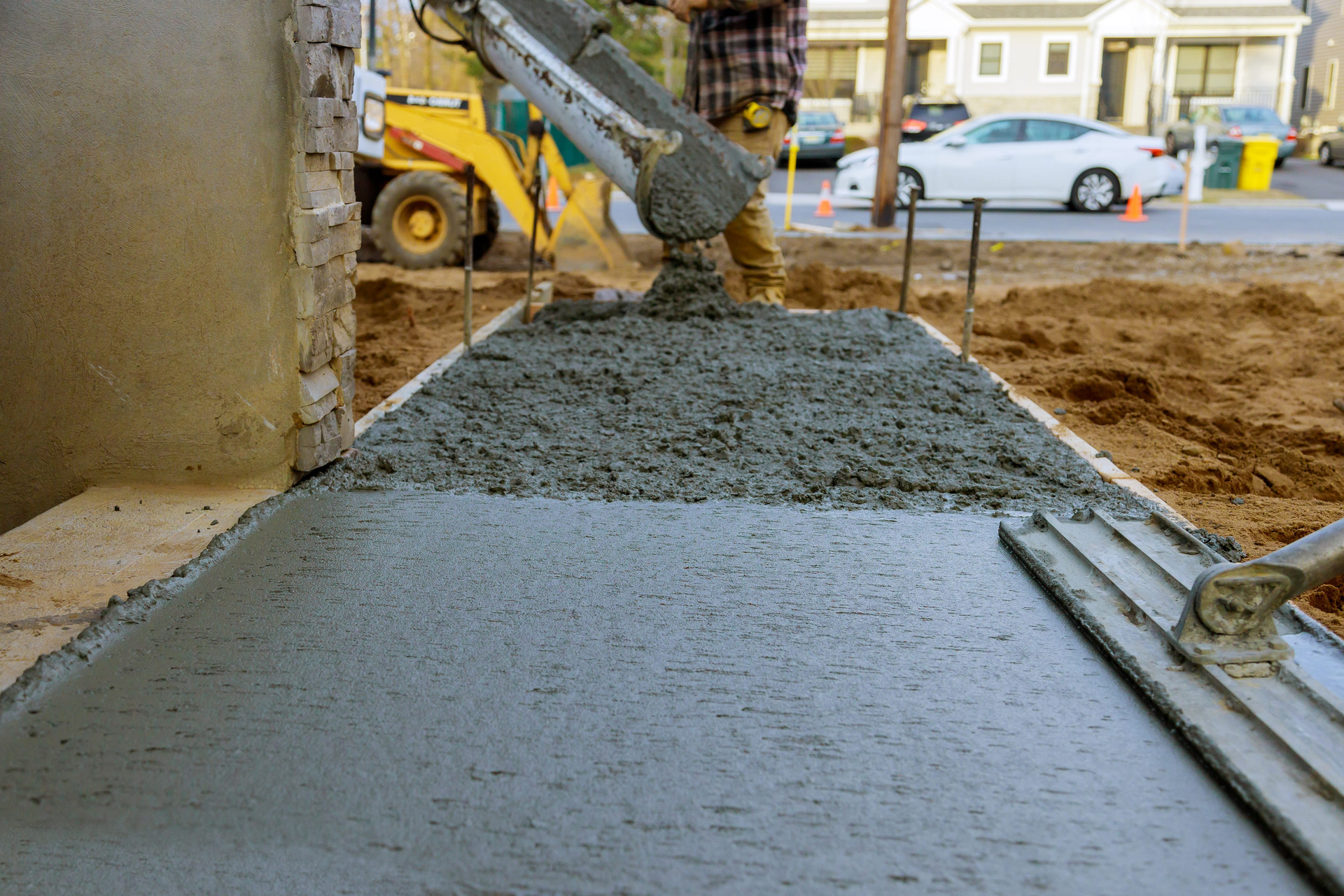


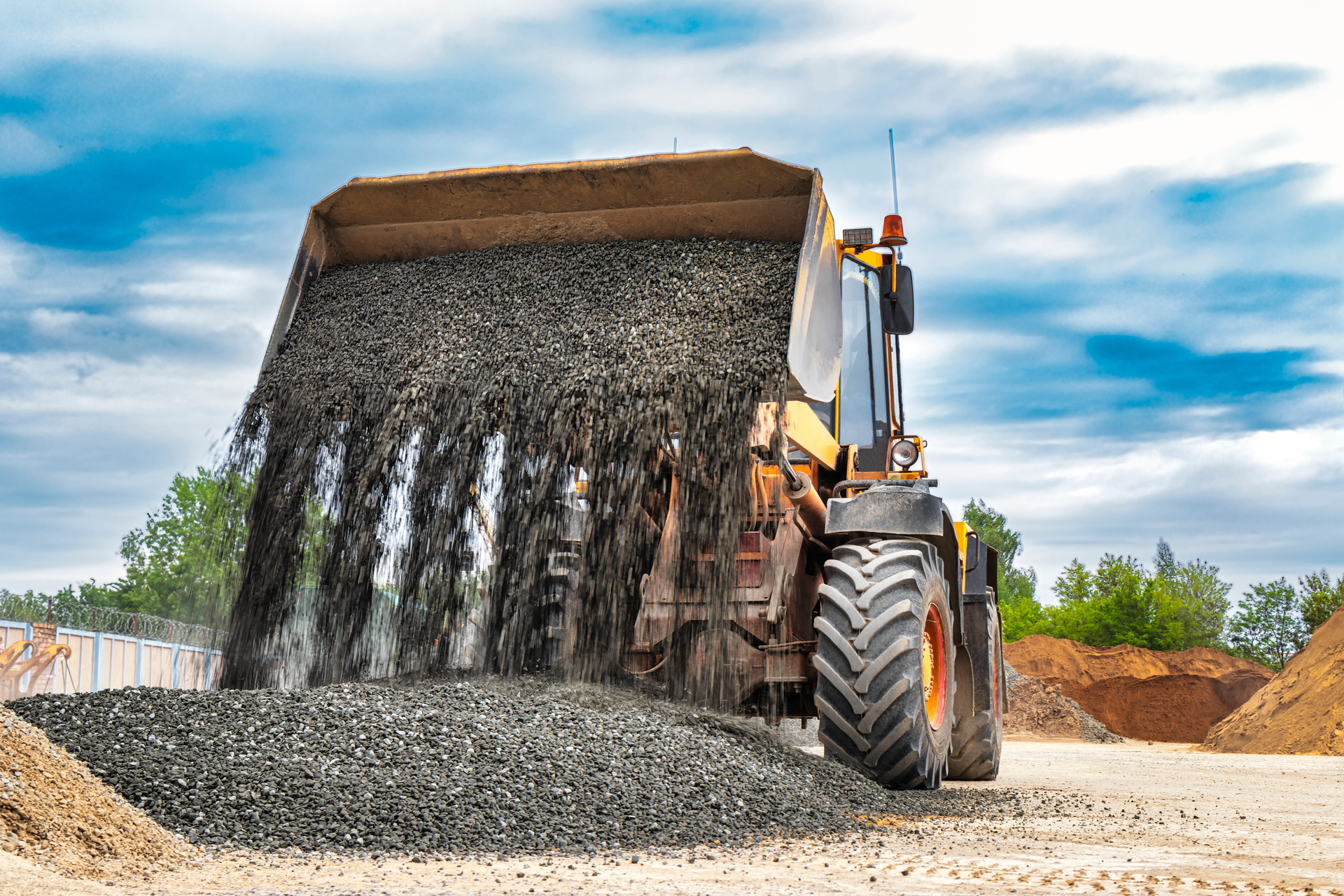
Get the Right Material In. Get the Unwanted Material Out.

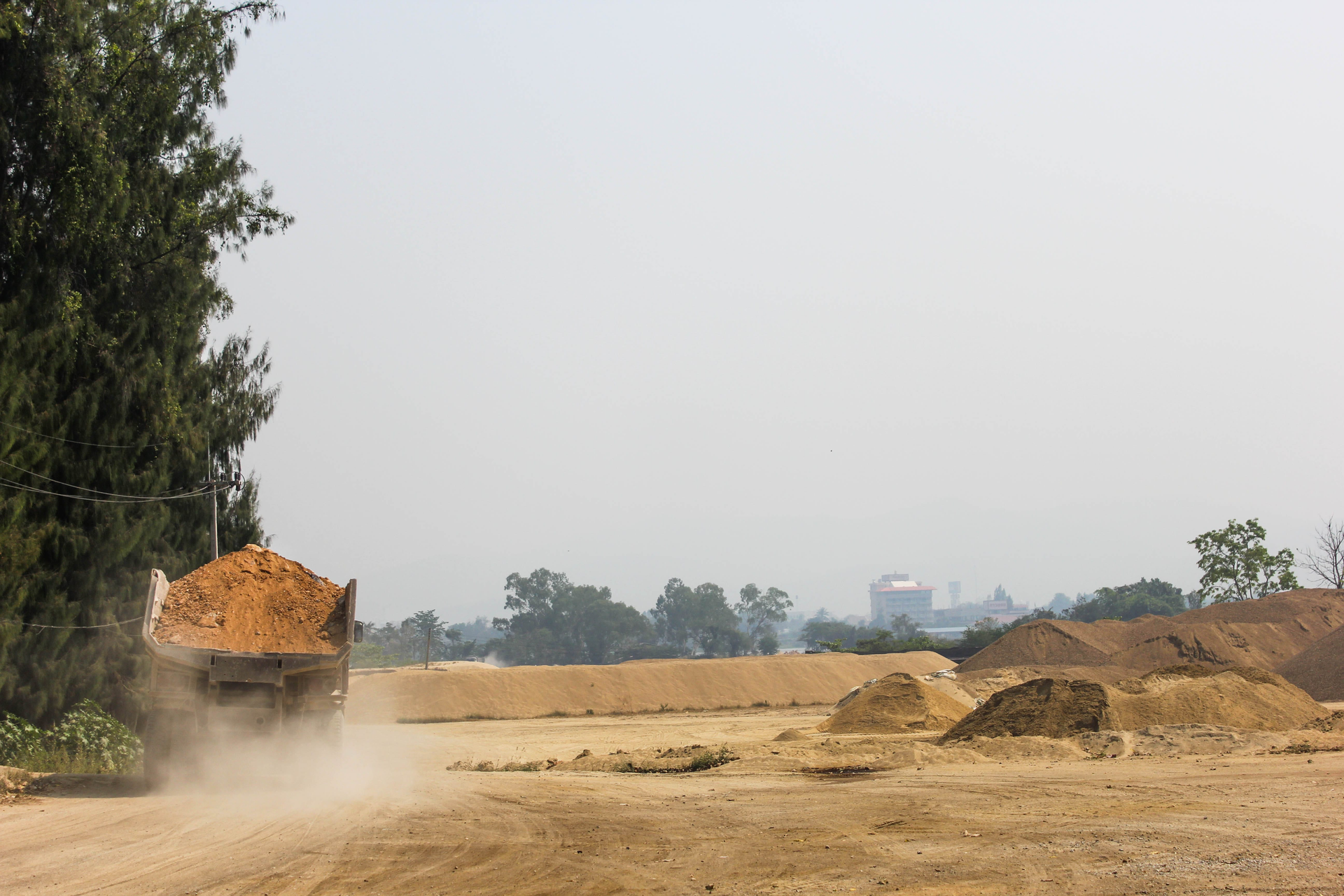
RCR Construction provides hauling, material delivery, spreading, placement, debris removal, spoils hauling, brush cleanup, concrete removal, asphalt debris hauling, and site cleanup around Rogers and Northwest Arkansas. Whether the job needs dirt, rock, gravel, base material, fill, cleanup, or removal after excavation or demolition, hauling helps keep the project moving.

Hauling Support for Dirt Work, Cleanup, and Site Prep

Dirt, rock, gravel, sand, topsoil, fill, and base material hauling

Material delivery, spreading, placement, and site support

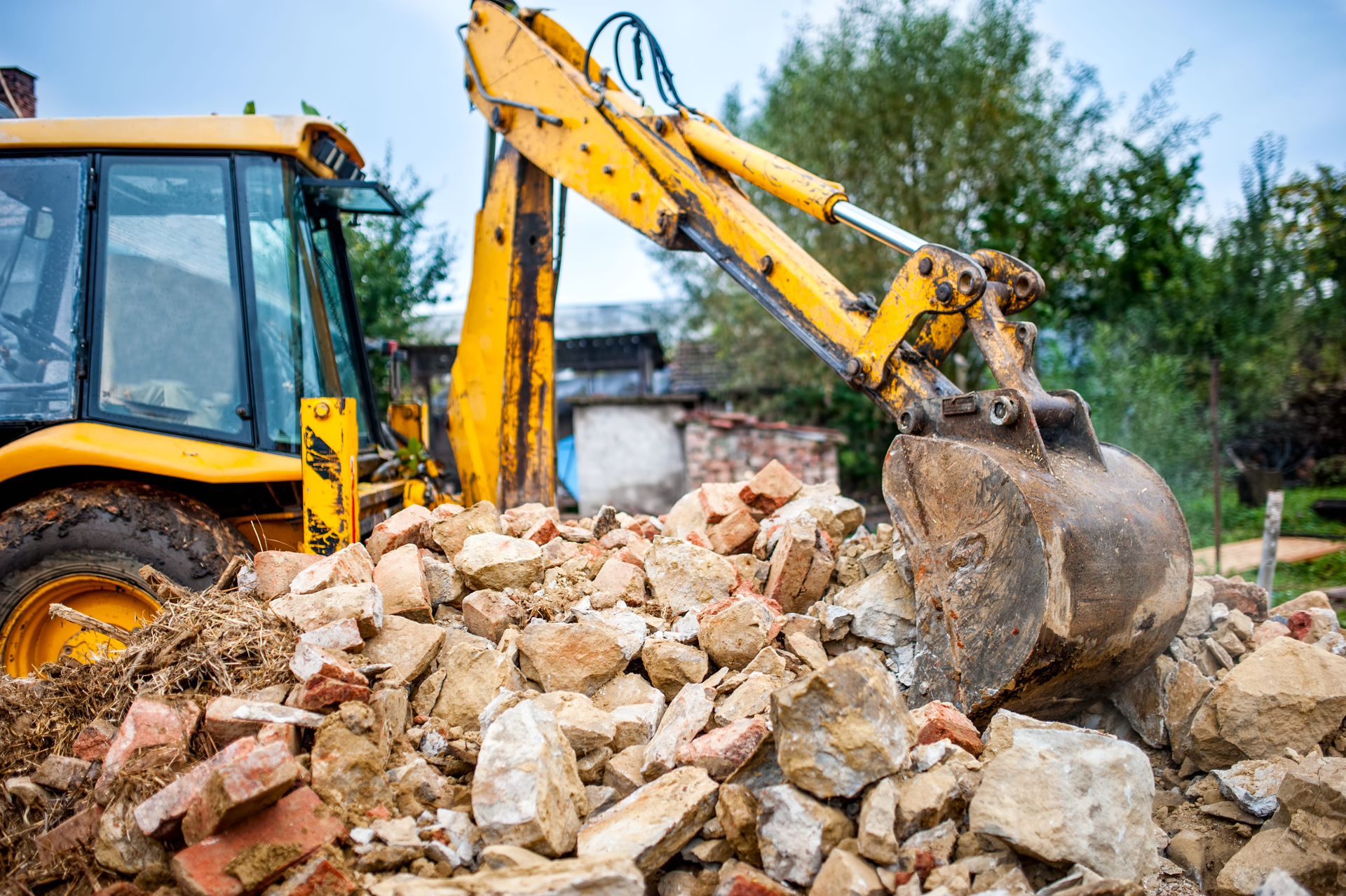
Spoils, brush, debris, concrete, asphalt, and unwanted material removal

Excavation, grading, driveway, pad, demolition, and cleanup support

Residential, rural, commercial, and builder-focused hauling work

Request a Hauling & Materials Quote

Tell us what material needs delivered, moved, spread, removed, or cleaned up and where the project is located.

Hauling and Material Work That Keeps the Site Moving

Dirt work projects often depend on getting the right material to the site and removing the material that should not stay there. Gravel, rock, fill, dirt, base material, debris, brush, concrete, asphalt, and spoils all have to be handled in the right order. RCR Construction provides hauling and materials support for driveways, roads, pads, grading, excavation, demolition, drainage, concrete, asphalt, commercial prep, land clearing, and full site preparation projects. The work may include material delivery, spreading, placement, spoils removal, debris hauling, brush cleanup, rock hauling, gravel top-dressing, base material support, fill placement, concrete/asphalt debris removal, and final cleanup.

When Material Movement Is Slowing the Project Down

A site can stall when material is missing, debris is in the way, or spoils are piling up where work needs to happen. Hauling keeps the job cleaner, safer, and easier to finish.


Hauling and materials can help solve problems like:

Driveways, roads, or access routes that need gravel, rock, or base material

Pads, concrete areas, asphalt areas, or parking lots that need material support

Excavation projects producing dirt, rock, spoils, or excess material

Demolition or tear-out projects with concrete, asphalt, debris, or old material to remove

Land clearing jobs with brush, trees, debris, or cleanup needs

Drainage or erosion projects that need rock, riprap, fill, or material placement

Sites that need final cleanup before the next phase begins

Commercial or rural projects that need dump truck support and material handling

Getting material handled correctly helps the site move from messy to workable.
Signs Your Project Needs Hauling or Material Support
Hauling is often needed before, during, and after dirt work. It may support the first phase of access, the middle phase of excavation, or the final phase of cleanup. You may need hauling or material support if:
You need gravel, rock, dirt, fill, sand, topsoil, or base material delivered
You need material spread, placed, or shaped after delivery
Brush, debris, spoils, concrete, or asphalt need to be removed
Excavation has created excess material that needs moved or hauled away
A driveway, road, parking area, or pad needs rock or base material
A demolition or tear-out job needs cleanup after removal
A drainage or erosion project needs rock, riprap, or fill placed
The site needs cleanup before concrete, asphalt, grading, pad work, or final use
If material is blocking progress or missing from the job, hauling is likely part of the solution.
Hauling Should Support the Work, Not Just Drop Material Off

Material handling is not only about moving loads from one place to another. The type of material, where it is placed, how it is spread, and what the site needs afterward all matter.


For driveways and roads, rock or gravel needs to support traffic and drainage. For concrete and asphalt, base material should be part of the surface plan. For pads and grading, fill or dirt placement should match elevation, compaction, and water flow. For demolition and clearing, debris removal should leave the site ready for the next phase instead of creating another cleanup problem.


RCR Construction can connect hauling with excavation, grading, land clearing, demolition, drainage, driveways, building pads, concrete, asphalt, parking lots, erosion control, and full site prep so the material work fits the project.

Step 4

Step 3

The project may involve clearing, excavation, base work, culverts, concrete, asphalt, hauling, or sequencing several pieces correctly.

You get a clearer understanding of what work is included and what needs to happen before the next phase.

Our Process

How the Hauling & Materials Process Works
RCR Construction handles hauling and material work based on what the site needs delivered, moved, removed, or finished.

Step 1

Send the property location, what needs hauled or delivered, photos if available, access notes, and whether the job connects to a larger project.

Step 2

RCR considers truck access, material type, delivery location, spreading needs, removal needs, and whether equipment is needed on site.

Step 3

The work may include delivery, spreading, placement, removal, cleanup, spoils hauling, debris hauling, brush hauling, or material relocation.

Step 4

Dirt, rock, gravel, fill, debris, brush, concrete, asphalt, spoils, or other material is handled according to the agreed scope.

Step 5

Material can be spread, shaped, placed, loaded, removed, or cleaned up depending on the project requirements.

Step 6

The goal is to leave the site cleaner, better supplied, more usable, or ready for grading, access, drainage, concrete, asphalt, pads, or continued site prep.

Related Project Options

Hauling Often Connects to a Bigger Property Project
Material movement is often part of a larger project that includes clearing, excavation, grading, drainage, surface work, or cleanup.
Full Project Management
For larger property projects that may include clearing, excavation, grading, drainage, driveways, pads, concrete, asphalt, hauling, and final cleanup.
Cleaning Up Overgrown or Unusable Land
For properties that need brush, debris, old material, dirt, rock, or unwanted material removed as part of clearing and cleanup.
Building a Shop, House, Garage, Barn, or Metal Building
For building sites that need material delivery, base rock, fill, debris removal, driveway access, pad work, concrete, asphalt, and cleanup.

Related Services

Services That Commonly Connect to Hauling & Materials
Hauling supports many dirt work and site preparation services.
Land Clearing
Brush, trees, debris, overgrowth, site clearing, acreage cleanup, and material removal.
Demolition, Tear-Out & Removal
Concrete, asphalt, debris, old structures, slabs, driveways, parking areas, and unwanted material removal.
Driveways, Roads & Access
Gravel, rock, base material, resurfacing, spreading, culvert support, and access road material placement.
Building Pads & Concrete Prep
Base rock, fill, concrete support, asphalt support, pad material, compaction, and cleanup.
Grading & Leveling
Fill dirt, topsoil, material spreading, leveling support, cut/fill, and site shaping.
Excavation & Site Prep
Spoils removal, dirt hauling, rock hauling, backfill, site prep material, and cleanup.
Material Handling Can Make or Break the Flow of a Job
A project can be well planned and still get delayed when the wrong material is delivered, material cannot be placed where it needs to go, or debris is left in the way. Hauling should fit the rest of the dirt work plan. RCR Construction focuses hauling and material work around practical site needs:
What material is needed and where it should be placed
Whether the site has access for trucks and equipment
Whether material needs spreading, shaping, compacting, or cleanup
What debris, spoils, brush, concrete, or asphalt needs removed
How hauling connects to grading, drainage, pads, driveways, or surface work
What needs to happen so the next phase can move forward
That helps the site stay cleaner, better supplied, and easier to finish.

Why Choose Us?

Why Choose RCR Construction for Hauling & Materials?
Hauling That Supports the Whole Project
RCR connects hauling with the work happening on site, whether that is clearing, excavation, grading, drainage, pads, driveways, concrete, asphalt, demolition, or cleanup.
Delivery, Spreading, Removal, and Cleanup Support
Material can be delivered, placed, spread, removed, or cleaned up depending on the project scope and site conditions.
Dirt, Rock, Gravel, Fill, Concrete, Asphalt, and Debris Handling
RCR can help with common site materials and removal needs, including rock, gravel, dirt, fill, brush, spoils, concrete debris, asphalt debris, and unwanted material.
Useful for Residential, Rural, Commercial, and Builder Projects
Hauling may support a homeowner driveway, rural property cleanup, commercial prep site, shop build, building pad, drainage job, or full property project.
Practical Planning Before Trucks Roll
RCR considers access, material type, placement, volume, and cleanup needs before the work begins.

Avoca

Tontitown

Avoca

Avoca

Springdale

Cave Springs

Rogers

Fayetteville

Rogers

Lowell

Avoca

Garfield

Elm Springs

Johnson

Fayetteville

Prairie Grove

Bella Vista

Gateway

Rogers

Bentonville

Hauling & Materials Around Rogers and Northwest Arkansas

RCR Construction provides hauling and materials support in Rogers and nearby Northwest Arkansas communities within roughly 40 miles, depending on project scope, access, material needs, site conditions, and scheduling.


Service areas include:

Rogers

Bentonville

Springdale

Fayetteville

Lowell

Cave Springs

Centerton

Little Flock

Bella Vista

Pea Ridge

Avoca

Garfield

Gateway

Prairie Creek

Highfill

Elm Springs

Tontitown

Johnson

Farmington

Prairie Grove

Goshen

Elkins

Siloam Springs

Gentry

Decatur

Gravette

Sulphur Springs

Eureka Springs

Huntsville

Nearby cross-border areas may also be considered by project fit, including West Siloam Springs, Watts, Pineville, Jane, Noel, Anderson, and Goodman.

Blogs

Helpful Hauling & Material Planning Guides
These articles can help you understand how material movement fits into dirt work, access, drainage, and larger property projects.
May 22, 2026
A Driveway Is Only as Strong as What Supports It A driveway can look finished on the surface and still fail early if the grade, drainage, base, or compaction underneath it is wrong. This is true for gravel, asphalt, and concrete driveways. For property owners around Rogers and Northwest Arkansas, driveways often have to deal with rain, slope, runoff, clay or soft ground, construction traffic, rural access, and regular vehicle use. Those conditions can expose problems quickly when the driveway is not prepared correctly. The surface material matters, but the work underneath the surface usually decides how well the driveway holds up over time. Driveway Performance Comes From the Whole System A driveway is more than gravel, asphalt, or concrete. It is a system made up of the route, subgrade, base, drainage, slope, surface, edges, and traffic load. A stronger driveway plan may involve: Clearing the access route Excavating soft or unsuitable material Shaping the route with proper grade Correcting runoff before surface work Installing or replacing culverts where water crosses Building a stable base layer Compacting material properly Choosing the right surface for the use Managing edges, ditches, and outlets Planning for future maintenance Gravel, asphalt, and concrete each perform differently, but all three need the same basic support: a stable base and a way for water to move away. Most Driveway Problems Start Below the Surface When a driveway keeps rutting, cracking, washing out, settling, or holding water, the issue is often not just the top layer. The visible problem may be a symptom of poor drainage, weak base, bad grade, soft subgrade, or water crossing the route. Common driveway failures include: Gravel washing away after rain Ruts forming where tires travel Potholes or soft spots developing Asphalt cracking, rutting, or breaking apart Concrete settling, cracking, or holding water Edges eroding or breaking down Water crossing the driveway instead of moving under or beside it Adding more material may help temporarily, but if the base or drainage issue remains, the problem can come back. What Helps a Driveway Last Longer? Several parts of the driveway plan affect long-term performance. Proper drainage Water is one of the biggest threats to any driveway. Runoff should not sit on the surface, cross uncontrolled, saturate the base, or cut the edges. Ditches, swales, culverts, slope, and outlets may all matter. A stable base The base supports the surface. Gravel, asphalt, and concrete all need a prepared foundation that matches the soil, traffic, and intended use. Correct grading The driveway should be shaped so water moves off or away from it. Gravel drives may need crown or slope. Asphalt and concrete need slope that moves water without creating unsafe or low areas. Good compaction Loose or poorly compacted material can settle, rut, or shift. Compaction helps the base and surface perform better under traffic. Suitable material choice Gravel, asphalt, and concrete each have strengths. Gravel can be practical for rural access and long drives. Asphalt can provide a smoother flexible surface. Concrete can work well for durable approaches, slabs, and finished drive areas. The best option depends on budget, use, site conditions, and maintenance expectations. The right route and width A driveway route should account for turning, equipment, trailers, drainage crossings, slopes, and future access needs. A route that is too steep, narrow, or poorly placed can create ongoing problems. Common Driveway Planning Mistakes Driveway issues often happen when the finished surface is planned before the site conditions are understood. Common mistakes include: Adding gravel without fixing the drainage problem Installing asphalt over a weak or saturated base Pouring concrete where water still collects Skipping culverts where runoff crosses the route Grading the driveway flat instead of shaping it to shed water Using too little base material for the traffic load Ignoring soft spots before the surface goes in Forgetting that construction traffic may require stronger access than regular daily use Letting driveway edges wash away without stabilizing water flow A driveway should be planned around water, base, traffic, and future use before the final surface is installed. A Practical Way to Plan a Stronger Driveway Before building, rebuilding, or resurfacing a driveway, it helps to review the route as a whole. Step 1: Watch where the water comes from Watch where runoff crosses the driveway, where water collects, and where ditches, swales, or culverts may be needed. Step 2: Check the existing base or soil Soft, muddy, loose, or unstable areas may need excavation, base correction, or compaction before surface work. Step 3: Decide how the driveway will be used Daily residential use, rural equipment, trailers, construction traffic, commercial access, and heavy trucks may require different prep. Step 4: Choose the surface after reviewing the site Gravel, asphalt, and concrete can all work well when they are matched to the property and prepared correctly. Step 5: Plan drainage before the finished surface Culverts, ditches, grading, and outlets should usually be addressed before new gravel, asphalt, or concrete is installed. Step 6: Include hauling, spreading, and cleanup Material delivery, base rock, spoils removal, grading, and final cleanup should be part of the plan. This helps the driveway function as access, not just as a surface.
May 21, 2026
A Good Dirt Work Project Starts Before the Equipment Shows Up Full-scope dirt work is not just about moving dirt. It is about making sure the property is cleared, shaped, drained, accessed, surfaced, and cleaned up in an order that makes sense. This matters on raw land, rural acreage, building sites, driveways, parking areas, drainage repairs, shop pads, home sites, concrete projects, asphalt projects, and commercial prep. When the sequence is wrong, the job may still look active, but the property can end up needing rework later. For property owners around Rogers and Northwest Arkansas, planning the order of dirt work can help protect the finished result and make the project easier to move from one phase to the next. Full-Scope Dirt Work Means Looking at the Whole Site A full-scope dirt work project looks beyond one isolated service. Instead of asking only, “What needs done today?” it asks, “What does this property need to become, and what has to happen before that can work?” That can include several connected steps: Clearing brush, trees, debris, or old material Creating driveway, road, or equipment access Excavating, cutting, filling, and shaping the land Correcting drainage, culverts, ditches, swales, or stormwater flow Grading for pads, driveways, roads, parking areas, concrete, or asphalt Preparing building pads, slabs, base areas, and compacted surfaces Trenching for utilities, septic, or drainage lines Delivering rock, gravel, fill, base material, or other materials Removing spoils, brush, concrete, asphalt, debris, or unusable material Completing final grading and cleanup Not every project needs every service. The point is to understand which pieces apply and what order they should happen in. The Wrong Order Can Create the Same Problems Again A property project can run into trouble when one phase gets completed before the supporting work is ready. A driveway can wash out if drainage is skipped. A concrete slab can sit over a weak or wet base if grading and drainage were not handled first. Asphalt can fail faster when the subgrade is unstable. A building pad can hold water if runoff was not planned. A utility trench can disturb finished grade or surfaces if it is added too late. The order matters because dirt work is layered. Access affects equipment movement. Drainage affects base stability. Grade affects water flow. Base prep affects concrete, asphalt, gravel, and pads. Hauling and cleanup affect whether the next phase can begin without working around piles of material. A better sequence helps reduce avoidable rework and gives the finished project a stronger starting point. What to Think Through Before Starting Before beginning a full dirt work project, it helps to slow down and look at the property as a whole. The right starting point depends on the land, the goal, and what the finished area needs to support. What is the final use of the property? A shop site, house site, garage pad, barn pad, metal building site, driveway, private road, parking area, pond, or commercial surface may each need a different dirt work path. How will equipment and vehicles reach the work area? Access may need to be cleared, graded, rocked, widened, stabilized, or drained before the main work can begin. Where does water go after rain? Drainage should be considered early. Standing water, runoff, soft ground, ditches, culverts, and washouts can affect driveways, pads, concrete, asphalt, and building areas. What needs to happen before finished surfaces go in? Concrete, asphalt, gravel, pads, and parking areas usually need the right base, grade, drainage, compaction, and material support before they are finished. What underground work needs to be planned? Utility trenching, septic prep, drainage lines, and backfill should be considered before final surfaces or finished grading make underground work harder. What material needs to be moved? Clearing, excavation, demolition, grading, and drainage work may create spoils, brush, debris, concrete, asphalt, or dirt that needs to be hauled away. Other phases may need rock, gravel, fill, base material, or riprap brought in. Common Sequencing Mistakes That Lead to Rework The most expensive dirt work problems are not always caused by one bad service. Many come from doing the right work in the wrong order. Common mistakes include: Clearing land without planning access, drainage, or hauling afterward Spreading gravel over a driveway problem before fixing runoff or base issues Preparing a pad without checking how water will move around it Pouring concrete or installing asphalt before the grade and base are ready Installing utility or drainage trenches after finished surfaces are already complete Filling low spots without giving water a better place to go Removing old concrete, asphalt, structures, or debris without planning cleanup and site prep afterward Treating excavation, grading, drainage, driveways, pads, concrete, asphalt, and hauling as disconnected jobs A complete project plan does not have to be complicated. It just needs to account for the steps that affect each other. A Practical Order for Planning the Work A good full-scope dirt work plan usually starts with the project goal and then works backward through the site conditions. A practical order may look like this: Step 1: Define the finished goal Decide whether the property needs to become a build site, driveway, pad, parking area, cleaner acreage, drainage fix, or usable access route. Step 2: Identify access and clearing needs Determine what brush, trees, debris, old material, or rough areas must be cleared so equipment and materials can reach the work area. Step 3: Review drainage and water flow Look at low spots, runoff paths, culverts, ditches, soft areas, washouts, slopes, and where water should exit. Step 4: Plan excavation, grading, and base work Shape the land around water flow, elevation, surface use, load, traffic, and what the next phase will require. Step 5: Coordinate pads, utilities, concrete, asphalt, or access surfaces Make sure underground work, surface prep, compaction, and drainage are handled before finished surfaces go in. Step 6: Include hauling and cleanup Plan for material delivery, spreading, placement, debris removal, spoils hauling, and final cleanup so the site is not left unfinished. This approach helps the property move forward in a cleaner sequence instead of becoming a collection of disconnected fixes.

FAQs

Hauling & Materials Questions
  • What materials can RCR Construction haul or deliver?

    RCR Construction can help with dirt, gravel, rock, sand, topsoil, fill dirt, base material, spoils, brush, concrete debris, asphalt debris, and other common site materials depending on the project needs and availability.

  • Can material be spread or placed after delivery?

    Yes. Depending on the project scope, material can be delivered, spread, shaped, placed, or used as part of driveway work, grading, pads, drainage, concrete prep, asphalt prep, or site cleanup.

  • Can RCR remove concrete, asphalt, brush, or debris?

    Yes. Hauling can include debris removal, brush hauling, concrete removal, asphalt debris removal, spoils hauling, and cleanup after land clearing, demolition, excavation, or tear-out work.

  • Is hauling available as a standalone service or only with dirt work?

    Hauling may be available as a standalone service depending on the location, material, access, and scope. It can also be included as part of larger dirt work, grading, driveway, drainage, demolition, pad, or site prep projects.

  • What should I send for a hauling or material quote?

    Send the property location, what material needs delivered or removed, approximate quantity if known, photos, truck access details, whether spreading or cleanup is needed, and whether the hauling connects to a larger project.

  • Does RCR provide hauling outside Rogers?

    RCR Construction serves Rogers and nearby Northwest Arkansas communities including Bentonville, Springdale, Fayetteville, Lowell, Cave Springs, Centerton, Bella Vista, Pea Ridge, Siloam Springs, and surrounding areas depending on project fit.

Ready to Move the Material?
Bring in the gravel, rock, dirt, fill, or base material the project needs.
Remove the brush, debris, spoils, concrete, asphalt, or unwanted material slowing the site down.
Send the project details and RCR Construction will help you move forward.

Contact Us

Request Your Hauling & Materials Quote
Share the property location, what needs delivered or removed, and whether the material needs to be spread, placed, hauled off, or cleaned up. RCR Construction can review the details and help plan the right hauling scope.