Site Prep Checklist Before Building a Garage, Barn, or Metal Building
A Building Project Goes Smoother When the Site Is Ready First
Before a garage, barn, metal building, shop, or outbuilding goes up, the property needs to be prepared for construction traffic, drainage, pad work, utilities, concrete, asphalt, hauling, and future use.
For property owners around Rogers and Northwest Arkansas, the site may involve raw land, wooded areas, slope, wet spots, rural access, existing driveways, old material, or rough ground. Those conditions can affect the build long before the structure is delivered or framed.
This checklist is designed to help you think through the dirt work and site prep pieces before the main building phase begins.
Site Prep Is the Work That Gets the Property Ready for the Build
Site prep is the dirt work, access work, drainage work, surface prep, and cleanup that make the property ready for a structure and the activity around it.
For a garage, barn, or metal building, site prep may include:
- Clearing brush, trees, debris, or old material
- Building or improving driveway access
- Excavating and shaping the building area
- Grading the pad and surrounding land
- Correcting water flow before the slab or structure goes in
- Preparing base material and compaction
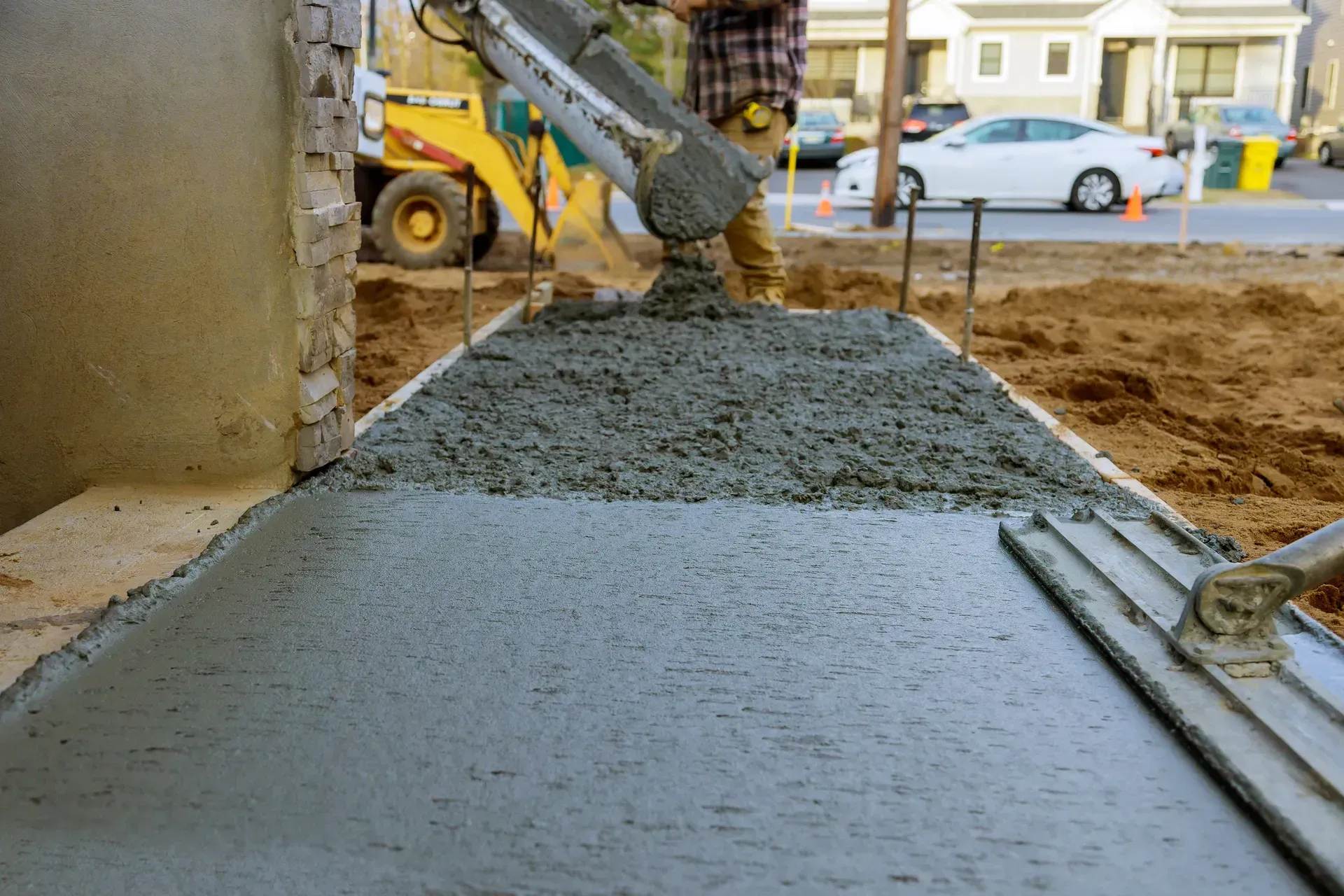
- Planning concrete slabs, aprons, approaches, or work areas
- Planning asphalt access, asphalt driveways, or parking areas when needed
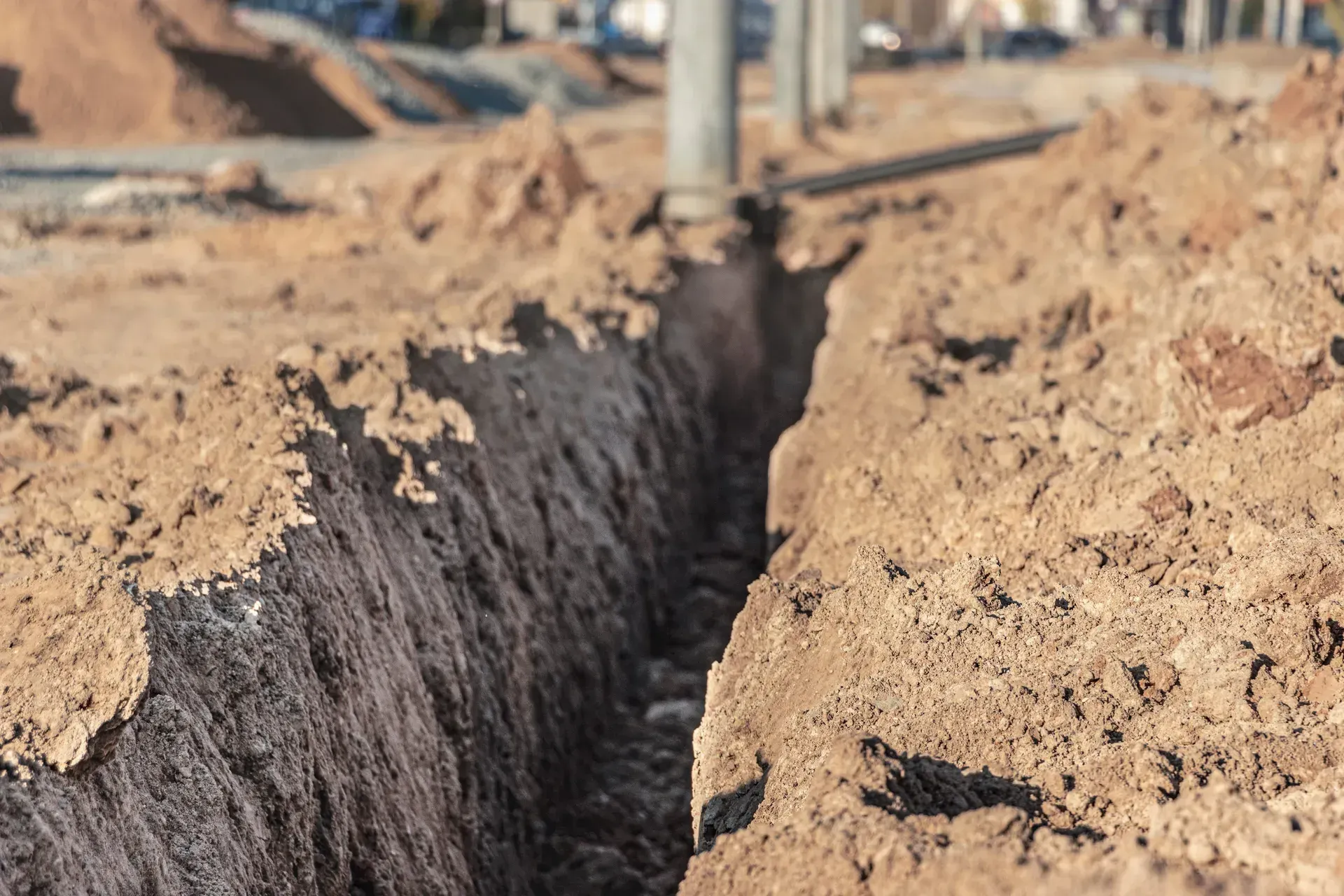
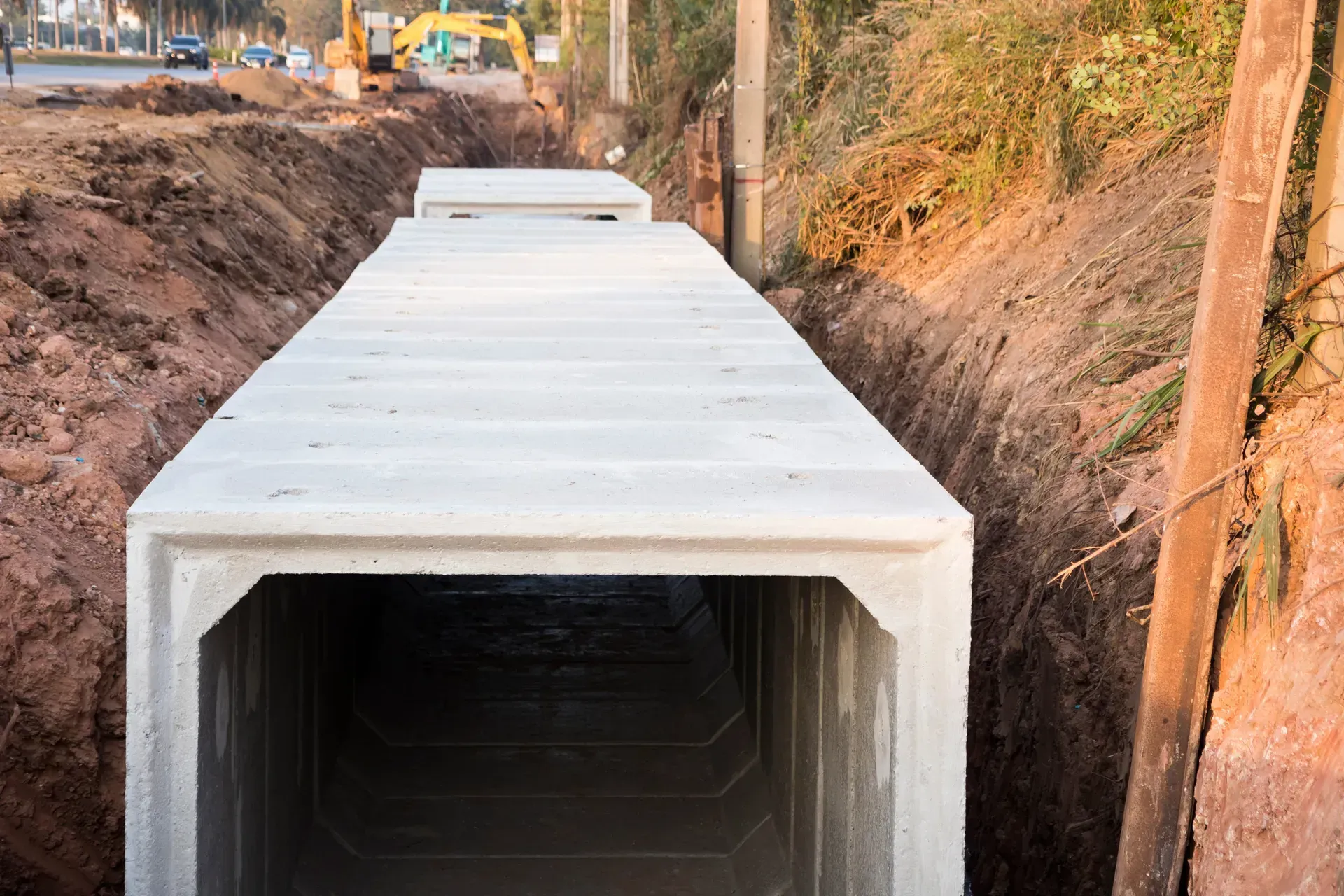
- Trenching for utilities, septic, or drainage lines
- Hauling in rock, gravel, fill, or base material
- Removing spoils, debris, concrete, asphalt, brush, or old material
- Cleaning up the site so the next phase can begin
The exact checklist depends on what is being built and how the property will be used after construction.
Missed Site Prep Can Create Delays and Rework
The structure may be the main goal, but the ground around it often decides how smoothly the project goes. A building site with poor access, standing water, soft base, unfinished trenching, or unplanned concrete/asphalt needs can create problems during and after construction.
Site prep matters because it can affect:
- Whether crews, trucks, materials, and equipment can reach the building area
- Whether water moves away from the slab, pad, and access routes
- Whether the pad is stable enough for the next phase
- Whether concrete, asphalt, or gravel surfaces are supported correctly
- Whether utilities or septic need to be trenched before final surfaces
- Whether leftover material or debris blocks progress
- Whether the site is usable after the structure is complete
A checklist helps catch these issues before they become more expensive to fix later.
Site Prep Checklist Before the Build Starts
Use this checklist before building a garage, barn, metal building, shop, or similar structure.
Confirm the building location
Make sure the planned location works with access, grade, drainage, utilities, property use, and future surfaces.
Review access to the site
Ask how equipment, concrete trucks, asphalt work, material deliveries, trailers, and daily vehicles will reach the building area. Access may need clearing, grading, gravel, culverts, concrete, or asphalt.
Clear the work area
Brush, trees, undergrowth, old debris, damaged concrete, asphalt, or unwanted structures may need to be removed before site work begins.
Check drainage before pad work
Look for standing water, runoff, low spots, ditches, culverts, and soft ground. Water should be managed before the pad, concrete, asphalt, or structure is finished.
Plan excavation and grading
The building area may need cut/fill, rough grading, finish grading, slope correction, and pad shaping so the site supports the structure and surrounding use.
Prepare the pad and base
The pad may need base material, compaction, subgrade prep, and cleanup before concrete or construction moves forward.
Plan concrete and asphalt needs
Decide whether the project needs a concrete slab, apron, approach, driveway, work surface, parking area, asphalt access, or asphalt driveway. These surfaces should be planned with grade, base, drainage, and compaction in mind.
Think through utilities and septic
Utility trenching, septic prep, drainage lines, and underground work should be considered before final grade, concrete, asphalt, or access surfaces are completed.
Include hauling and material handling
The project may need rock, gravel, fill, base material, dirt, or riprap brought in. It may also need brush, spoils, concrete, asphalt, or debris hauled away.
Plan final cleanup and site readiness
The site should be left ready for the next trade, surface, structure, or daily use—not blocked by leftover material, rough edges, or unfinished grading.
Common Site Prep Mistakes Before Building
Many building site problems happen because the dirt work is treated as separate from the structure plan.
Common mistakes include:
- Choosing a building location without considering drainage or access
- Clearing the pad area but not the driveway or equipment path
- Preparing a flat pad without shaping water away from the structure
- Pouring concrete before underground utilities, septic, or drainage are planned
- Installing asphalt or gravel access before culverts or ditches are corrected
- Skipping base prep or compaction where the site needs support
- Forgetting to include hauling, debris removal, or cleanup
- Waiting until construction starts to fix soft ground, low spots, or slope issues
- Treating concrete, asphalt, pads, grading, and drainage as unrelated decisions
A better approach is to make the building plan and the site work plan support each other.
A Practical Order for Garage, Barn, or Metal Building Site Prep
The right order depends on the property, but this sequence can help guide the planning process.
Step 1: Start with the structure and use
Identify what is being built and how the building, driveway, parking, concrete, asphalt, and surrounding land will be used.
Step 2: Plan access before heavy work begins
Make sure equipment, trucks, materials, and future vehicles can reach the site safely and efficiently.
Step 3: Clear and clean the needed areas
Remove brush, trees, debris, old surfaces, or structures that block the work area or access route.
Step 4: Address drainage and grade
Correct runoff, low spots, slope, culverts, ditches, and water movement before final pad or surface work.
Step 5: Prepare the pad, base, and underground routes
Coordinate excavation, grading, compaction, utility trenching, septic prep, drainage lines, and base material.
Step 6: Finish surfaces and cleanup
Complete concrete, asphalt, gravel, hauling, spreading, and cleanup in a way that leaves the site ready for the next phase.
This kind of sequence can help reduce delays and avoid undoing finished work.
Services
This kind of sequence can help reduce delays and avoid undoing finished work.
These services are often part of garage, barn, and metal building site prep.

Planning a Garage, Barn, Shop, or Metal Building?
Before the structure arrives, the property needs to be ready for access, drainage, pads, concrete, asphalt, utilities, hauling, and cleanup.
RCR Construction can help you think through the dirt work side of the project so the site is better prepared for the next phase.
Contact Us
Ask About Site Prep Before You Build
Share the property location, what you are building, and what site conditions need to be handled before construction begins. RCR Construction can help you understand the next practical step.