Why Driveway Washouts Usually Start With Drainage Problems
A Washed-Out Driveway Is Usually a Water Problem First
When a driveway washes out, the first thought is often to add more gravel, patch the rut, or smooth the surface. That may help temporarily, but if water is still crossing the driveway, saturating the base, or cutting the edges, the same damage can come back after the next heavy rain.
For property owners around Rogers and Northwest Arkansas, driveway washouts are common on sloped land, rural properties, long access routes, gravel roads, construction entrances, and driveways without proper culverts or ditching.
The surface damage is easy to see. The drainage issue underneath is what usually needs to be understood before the driveway can hold up better.
Driveway Washouts Happen When Water Has the Wrong Path
A driveway is supposed to provide access. Water is supposed to move away from that access. When those two paths conflict, the driveway often loses.
Driveway washouts can happen when water:
- Runs across the driveway instead of under it
- Flows down the tire paths
- Collects in low spots
- Saturates the base material
- Cuts the driveway edges
- Overflows a clogged or undersized culvert
- Escapes a ditch or swale
- Runs too fast down a steep route
- Has no stable outlet
The driveway surface may be gravel, concrete, asphalt, or a mix of materials. The cause is often the same: water is not being controlled before it reaches or crosses the access route.
Repeated Washouts Can Damage the Whole Access Route
A washout is not only a surface problem. Over time, repeated runoff can remove base material, create ruts, soften the subgrade, expose rocks, damage edges, and make the driveway harder to maintain.
Repeated driveway washouts may lead to:
- Gravel loss after every rain
- Deep ruts or channels in the driveway
- Muddy or soft access areas
- Potholes and uneven surface conditions
- Erosion along the driveway edges
- Culvert overflow or ditch failure
- Concrete or asphalt edge damage
- Difficult access for trucks, trailers, equipment, or daily vehicles
If the driveway is also needed for a shop, house, garage, barn, metal building, commercial property, or construction site, poor access can affect the entire project.
Why the Driveway Keeps Washing Out
Driveway washouts often come from one or more drainage issues working together.
Water is crossing the driveway
If runoff crosses over the driveway surface, it can carry gravel and base material with it. A culvert, ditch, or grading correction may be needed to move water under or around the route.
The driveway is too flat in the wrong places
Flat areas can hold water, especially if the surface has settled or the base is weak. Standing water can soften the driveway and create ruts.
The driveway is too steep without water control
Steep routes can send water downhill with enough force to cut channels into gravel, shoulders, and ditches.
The ditches are not working
Ditches may be too shallow, clogged, eroded, or graded the wrong direction. When ditches fail, water often finds the driveway instead.
The culvert is missing, clogged, crushed, or undersized
A culvert only works if water can enter, pass through, and exit properly. If it cannot, water may back up and cross the driveway.
The base is too weak or saturated
If water gets into the base and cannot drain, the driveway may rut, pump, settle, or lose material under traffic.
The edges are not protected
Water running along the edge can cut away support and cause the driveway to narrow, crumble, or collapse at the sides.
Common Mistakes When Fixing Driveway Washouts
Driveway washouts often return when the repair focuses only on replacing lost material.
Common mistakes include:
- Adding gravel without correcting runoff
- Filling ruts without reshaping the grade
- Ignoring water flowing across the driveway
- Installing a culvert without checking the inlet and outlet
- Leaving ditches clogged or too shallow
- Building the driveway flat with no crown or drainage slope
- Patching asphalt or concrete before base and drainage issues are fixed
- Ignoring soft ground under the surface
- Treating the washout as a one-time storm issue instead of a drainage pattern
A better repair looks at why the water damaged the driveway in the first place.
A Practical Way to Approach a Driveway Washout
Before repairing the surface, it helps to understand the water path.
Step 1: Watch where the water comes from
Identify where water crosses, collects, flows downhill, or cuts into the surface.
Step 2: Check the ditches and edges
See whether water has a clear route beside the driveway or whether it is using the driveway as the drainage path.
Step 3: Inspect any culverts
Look for blockages, crushed sections, poor alignment, erosion at the outlet, or water backing up at the inlet.
Step 4: Review the grade
The driveway may need reshaping, crowning, slope correction, or low-spot correction before new material is added.
Step 5: Evaluate the base
Soft, saturated, or unstable areas may need excavation, base correction, rock, compaction, or drainage work.
Step 6: Choose the repair or surface after drainage is addressed
Gravel, asphalt, and concrete can all perform better when the drainage and base are corrected first.
This approach helps the driveway repair become more than a temporary patch.
Services
Related Services to Review
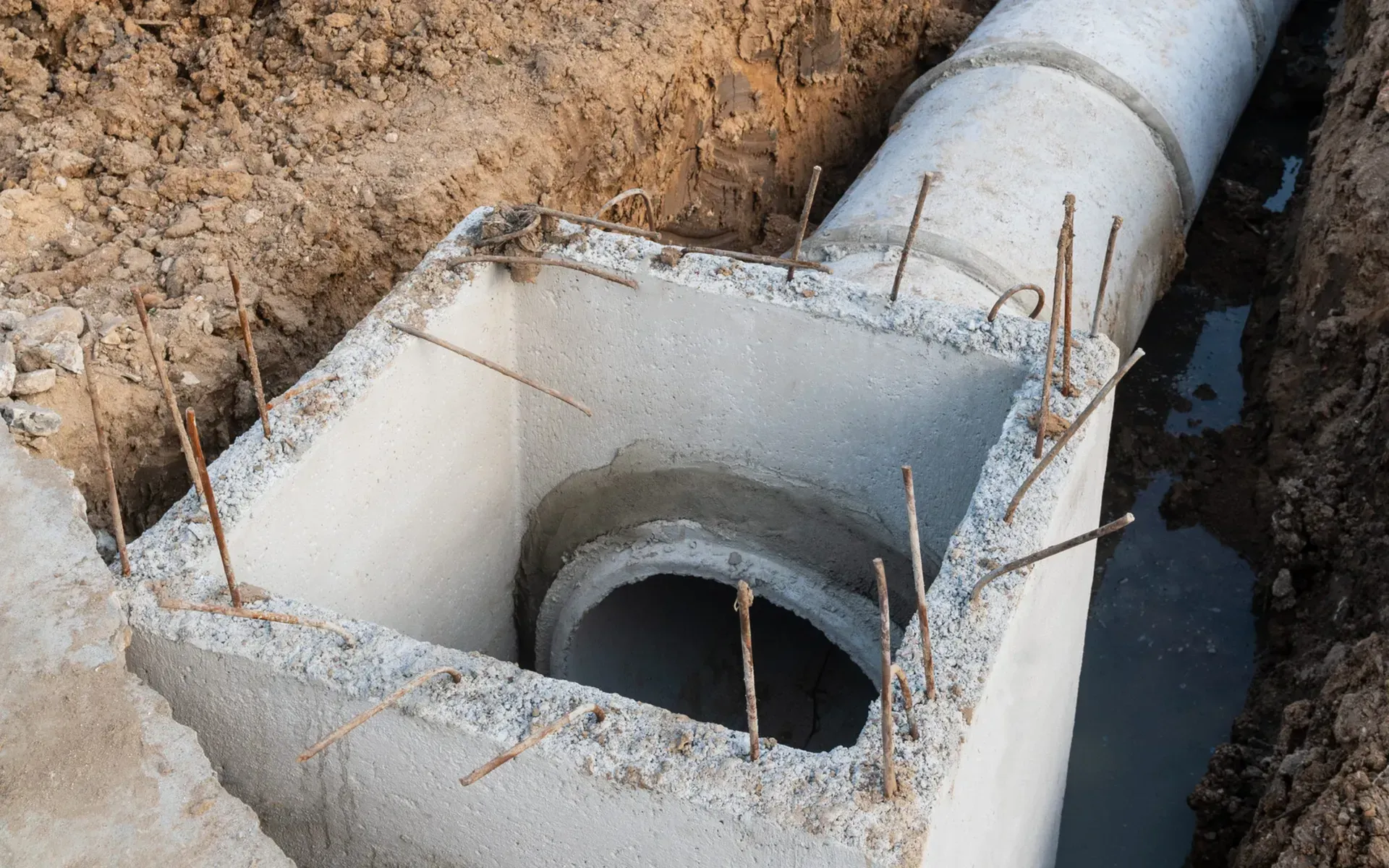
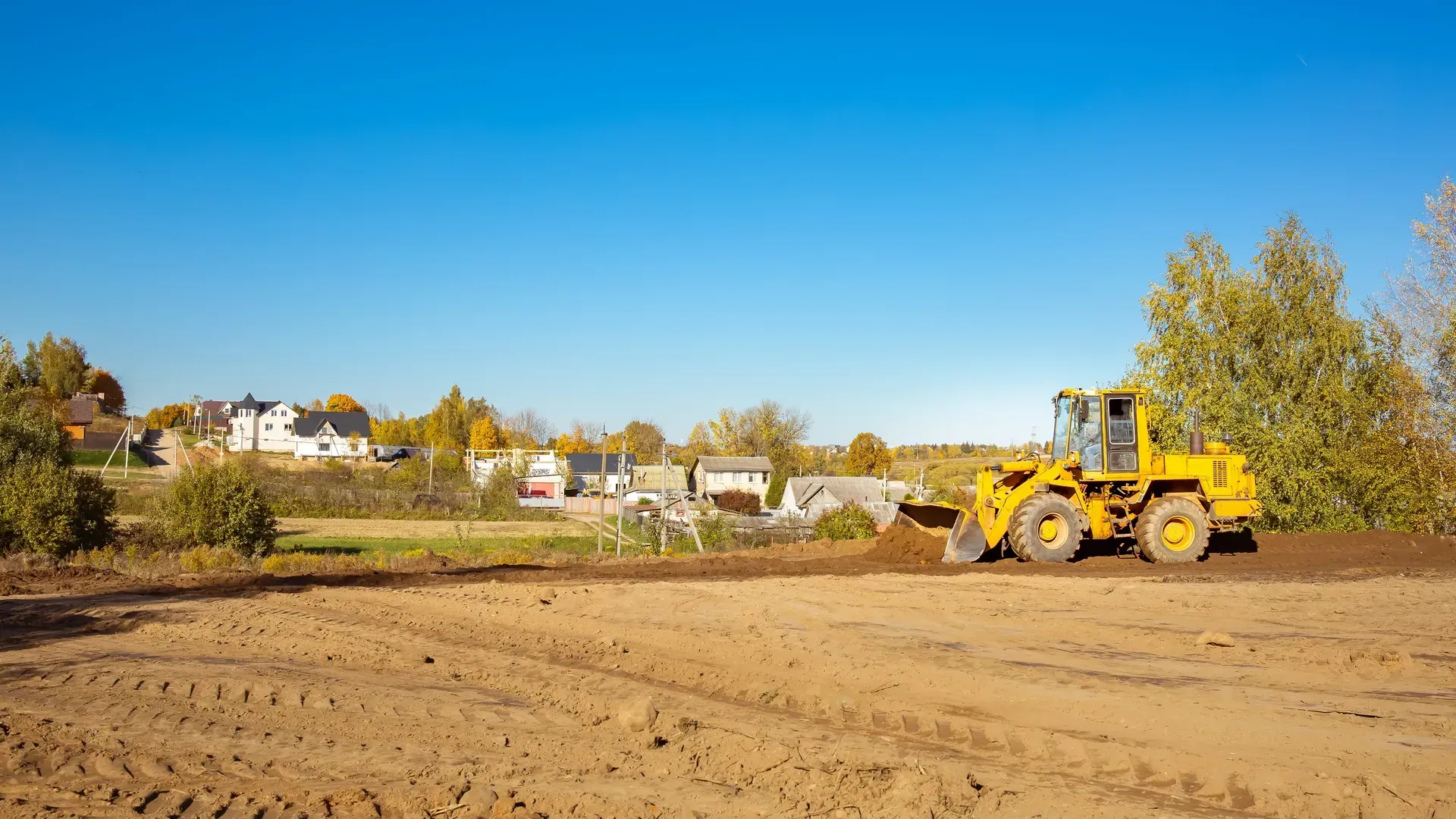
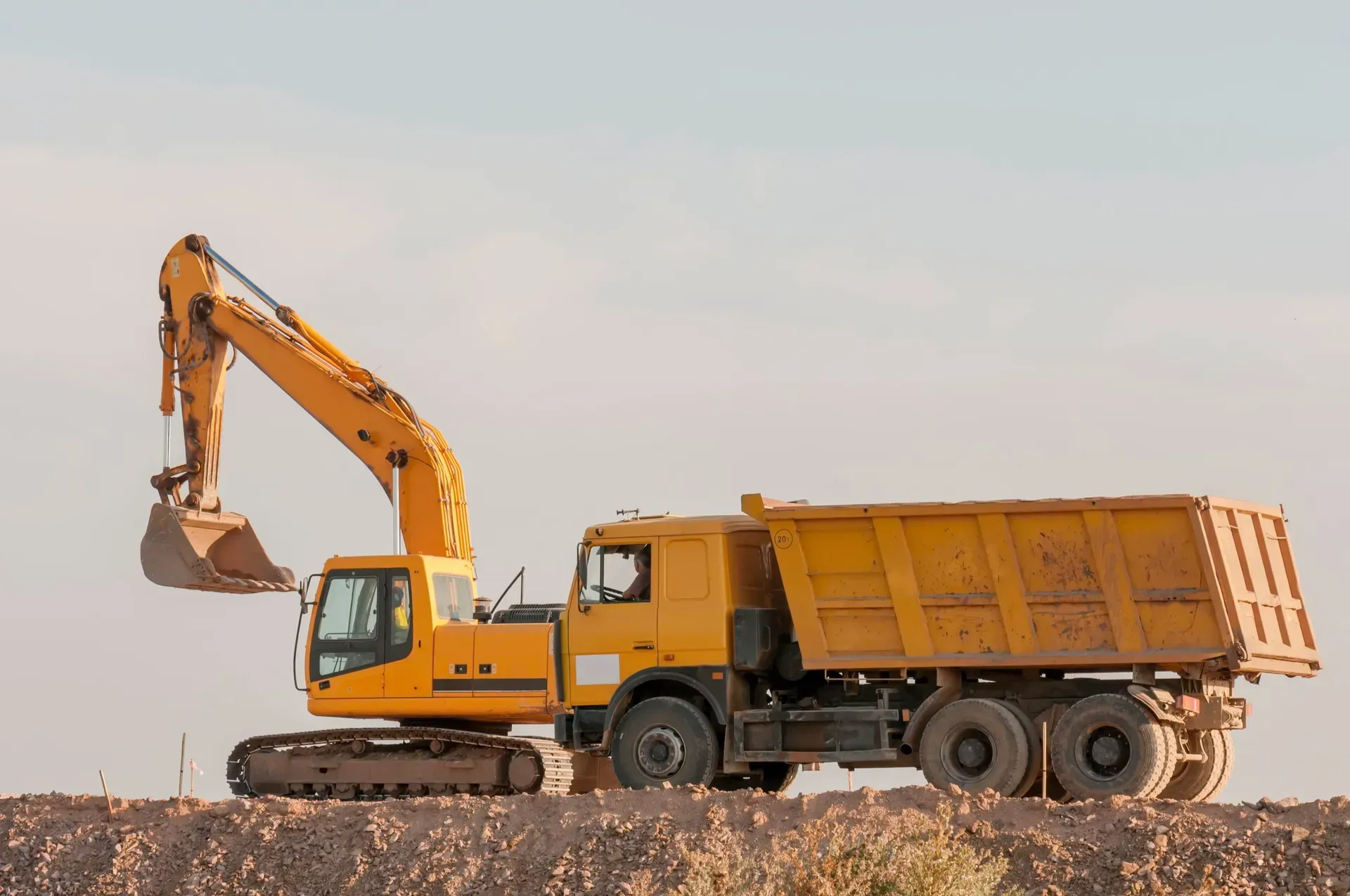
These services are often connected to driveway washout repair and access improvements.

Tired of Replacing Gravel After Every Rain?
The next repair should start with the drainage path, not just the missing material. Once the water flow, base, culverts, ditches, and grade are understood, the surface repair can be planned more clearly.
RCR Construction can help you think through whether the driveway needs drainage correction, culvert work, grading, base material, gravel, concrete, asphalt, hauling, or a larger access plan.
Contact Us
Ask About Your Driveway Washout
Share the property location, what happens after rain, and whether the water crosses the driveway, sits on the surface, washes out gravel, or damages the edges.