Why Standing Water Keeps Coming Back on Your Property
Standing Water Usually Means the Property Has a Flow Problem
Standing water can be frustrating because it often looks like a simple puddle, but it usually points to a larger drainage issue. If water keeps collecting in the same spot after rain, the property may not have the right grade, outlet, soil conditions, ditch, culvert, or drainage path to move water away.
For property owners around Rogers and Northwest Arkansas, standing water can affect yards, driveways, access roads, building pads, concrete, asphalt, parking areas, shop sites, barns, garages, and rural acreage. The water may disappear for a while, but if the cause is still there, it usually comes back after the next rain.
Understanding why standing water returns can help you avoid temporary fixes that only hide the issue for a short time.
Standing Water Is the Symptom, Not Always the Root Problem
A low wet spot may be the part you notice, but the actual cause may be somewhere else on the property. Water may be entering from higher ground, crossing a driveway, backing up at a culvert, collecting because of poor slope, or saturating the ground because it has nowhere to exit.
Standing water may be caused by:
- Low spots or uneven grade
- Runoff from higher areas
- Missing, clogged, crushed, or undersized culverts
- Ditches or swales that do not carry water correctly
- Soil that stays saturated after rain
- Driveways, pads, concrete, or asphalt blocking natural flow
- Poorly shaped parking areas or access roads
- Compacted areas that do not drain well
- Erosion or sediment blocking a drainage path
- No clear outlet for stormwater
Repeated Standing Water Can Damage More Than the Wet Spot
Standing water can create problems beyond inconvenience. When water sits or moves slowly through the wrong area, it can weaken surfaces, soften base material, and make the property harder to use.
Repeated standing water may lead to:
- Soft, muddy, or unstable ground
- Driveway ruts and gravel washout
- Weak base under concrete or asphalt
- Erosion along slopes, ditches, or outlets
- Delays before building pad, slab, or surface work
- Standing water near shops, houses, garages, barns, or other structures
- Parking areas that rut, settle, or hold water
- Maintenance problems after every heavy rain
This is why drainage should often be considered before adding gravel, pouring concrete, installing asphalt, preparing a pad, or finishing a driveway. If water is still collecting in the wrong place, the finished work may have to fight the same problem later.
Why the Same Water Problem Keeps Returning
If standing water keeps coming back, one of these conditions may be involved.
The area is lower than the surrounding ground
Water naturally collects in low spots. If the property was never graded with drainage in mind, water may settle there after every rain.
Runoff is coming from another part of the property
The wet area may not be the starting point. Water may be flowing from a hill, road, driveway, roofline, neighboring property, field, or parking area before collecting in one place.
There is no clear outlet
Water needs somewhere to go. Without a ditch, swale, culvert, pipe, basin, or safe drainage path, it may sit until it slowly evaporates or soaks in.
A culvert or ditch is not working correctly
Culverts can clog, crush, settle, or be too small. Ditches can fill with sediment, become too shallow, or send water the wrong direction.
The grade is sending water the wrong way
If the land slopes toward a building, driveway, pad, parking area, concrete surface, or asphalt surface, water may keep returning even after surface repairs.
The soil stays saturated
Some areas hold moisture longer because of soil type, compaction, shade, groundwater, or lack of drainage. In those cases, simply filling the wet spot may not solve the problem.
A surface changed the natural flow
Driveways, pads, concrete, asphalt, buildings, parking areas, and compacted surfaces can change where water moves. If that flow is not planned, water may collect somewhere new.
Common Standing Water Mistakes
Standing water often comes back when the visible puddle is treated without addressing the path of water.
Common mistakes include:
- Filling the low spot without creating an outlet
- Adding gravel to a wet driveway without fixing drainage
- Grading the area flat instead of shaping it to move water
- Installing a culvert without checking inlet, outlet, slope, or capacity
- Sending water toward another problem area
- Pouring concrete or installing asphalt before the drainage issue is solved
- Ignoring erosion, sediment, or clogged ditches
- Assuming the wet spot is the entire problem
A better drainage plan looks at where water starts, where it travels, where it collects, and where it can safely exit.
A Practical Way to Diagnose Standing Water
Before choosing a fix, it helps to observe what the water is doing during or right after rain.
Step 1: Watch where the water comes from
Look for runoff from slopes, roads, driveways, rooflines, fields, parking areas, or higher ground.
Step 2: Notice where it collects
Identify the low spots, ruts, soft areas, driveway crossings, pad areas, ditches, or surfaces that hold water.
Step 3: Look for the current outlet
Find where the water is trying to go. If there is no outlet, or if the outlet is blocked, undersized, or poorly graded, the water may keep sitting.
Step 4: Check nearby surfaces and structures
Driveways, pads, concrete, asphalt, parking areas, and buildings may be changing the natural flow.
Step 5: Consider the grade
The site may need slope correction, drainage grading, a swale, ditching, culvert work, or another route for water.
Step 6: Plan the fix before adding surface material
If the area needs gravel, concrete, asphalt, or pad work, drainage should usually be addressed before the final surface goes in.
Photos or videos right after rain can be helpful because they show the actual water path before it dries up.
Services
Related Services to Review
These services are often connected to standing water problems.
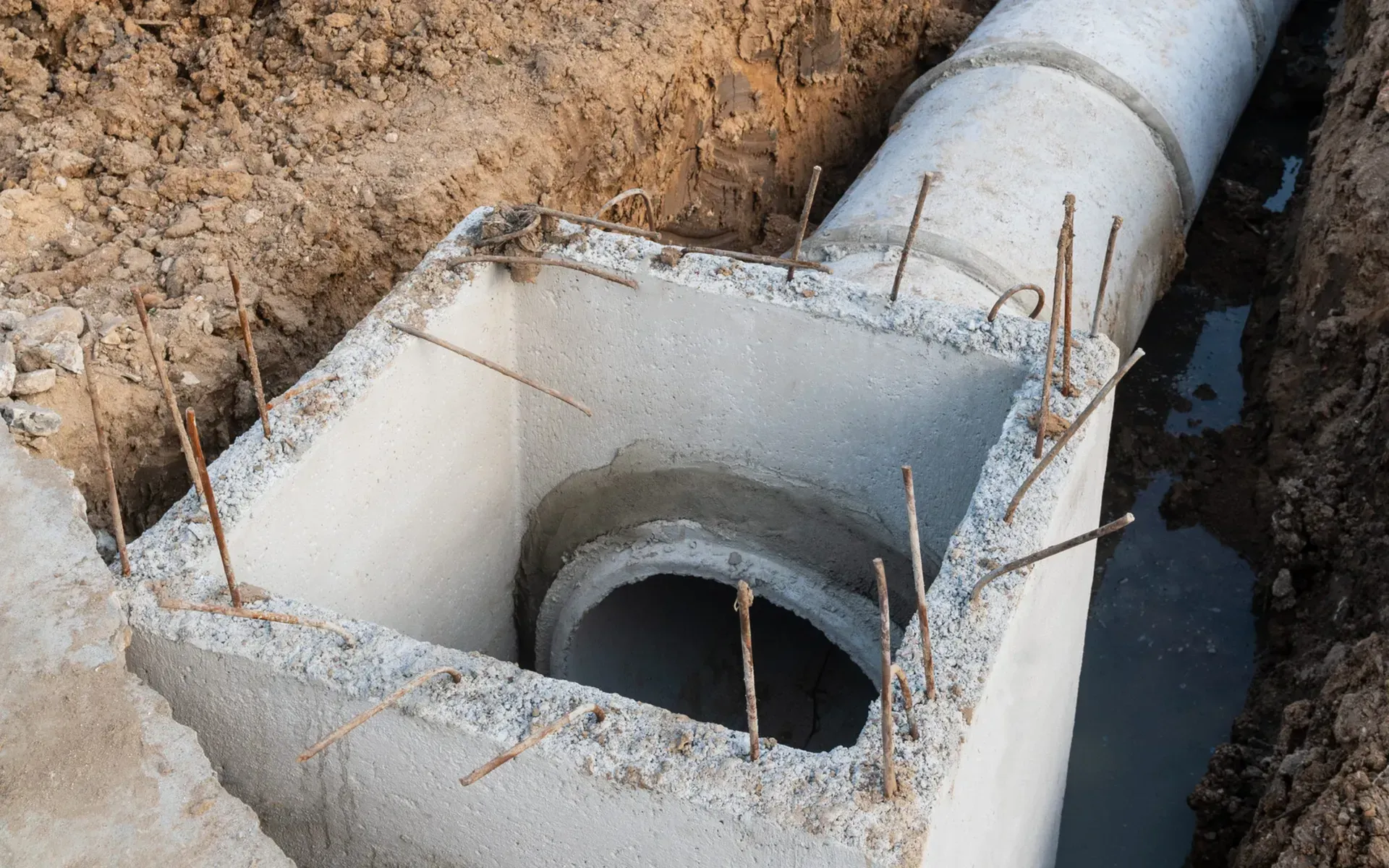
Drainage, Culverts & Stormwater
For standing water, runoff, culverts, ditches, swales, drainage paths, and stormwater flow correction.
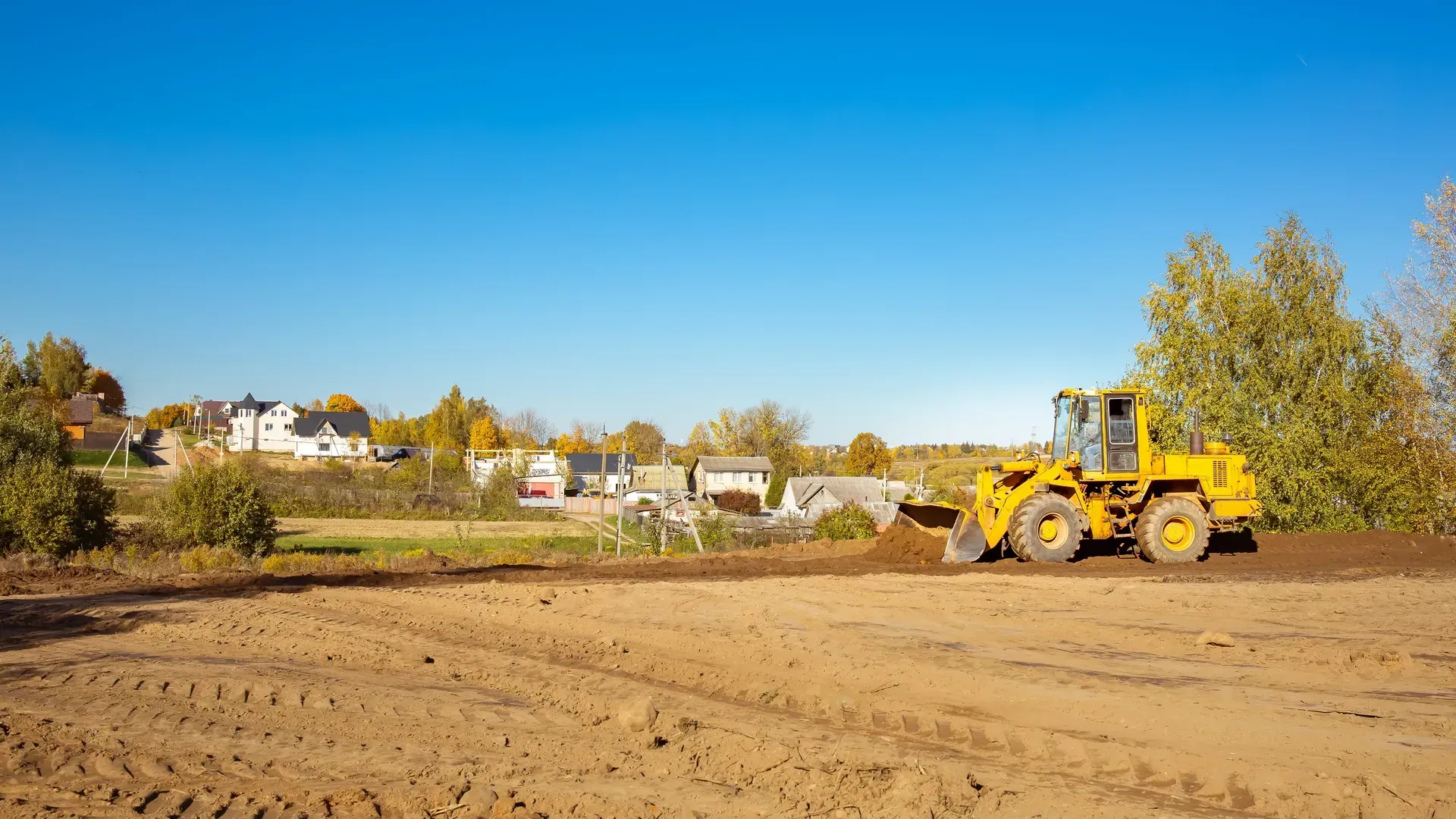
Grading & Leveling
For drainage grading, slope correction, low-spot correction, rough grading, finish grading, and surface shaping.
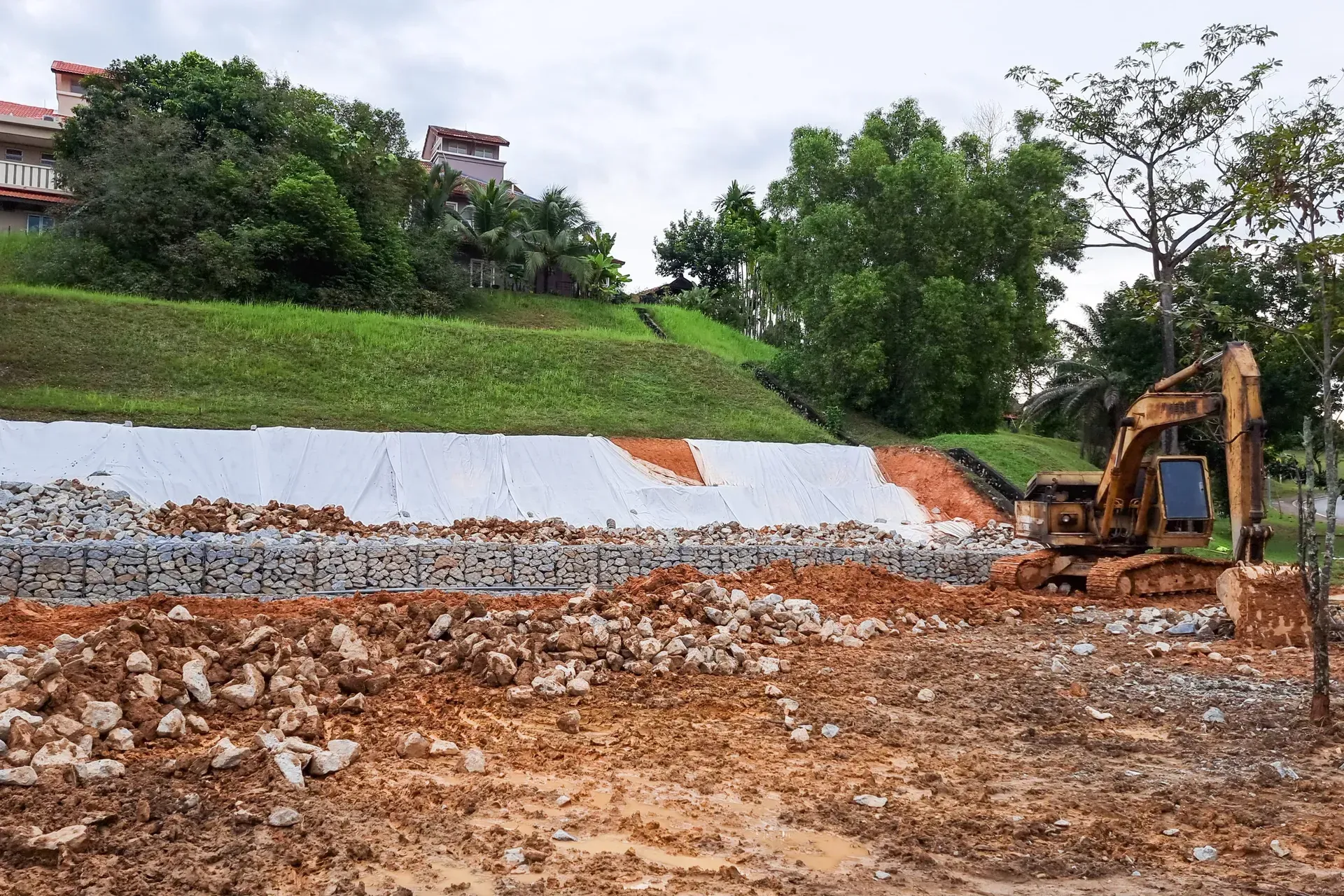
Erosion Control & Retaining Walls
For washouts, slope stabilization, riprap, outlet protection, ditch stabilization, and runoff control.
Driveways, Roads & Access
For driveway washouts, culverts, gravel correction, concrete/asphalt access, road grading, and drainage around access routes.
Not Sure Why the Water Keeps Coming Back?
You do not need to diagnose the whole drainage issue before asking for help. Start with where the water collects, what it affects, and what happens after rain.
RCR Construction can help you think through whether the issue may involve grading, culverts, ditches, drainage paths, erosion control, driveway repair, pad drainage, concrete/asphalt protection, hauling, or a larger water-management plan.
Contact Us
Ask About Standing Water on Your Property
Share the property location, where the water collects, where it seems to come from, and what it is damaging or preventing. Photos after rain are especially helpful.