When a Culvert, Ditch, or Grading Fix May Be Needed
Water Problems Do Not All Need the Same Fix
When water keeps standing, washing out gravel, crossing a driveway, cutting a ditch, or softening the ground, it can be hard to know what kind of drainage fix is needed. Some properties need a culvert. Others need ditch work, a swale, grading correction, erosion protection, or a combination of several things.
For property owners around Rogers and Northwest Arkansas, drainage problems often show up after heavy rain, especially on sloped properties, rural land, driveways, building sites, and commercial areas. The visible problem may be a puddle or washout, but the real issue is usually how water is entering, moving through, and leaving the site.
Understanding the difference between culverts, ditches, and grading can help you think through the right next step.
Culverts, Ditches, and Grading All Move Water Differently
A drainage fix should match the way water is behaving on the property.
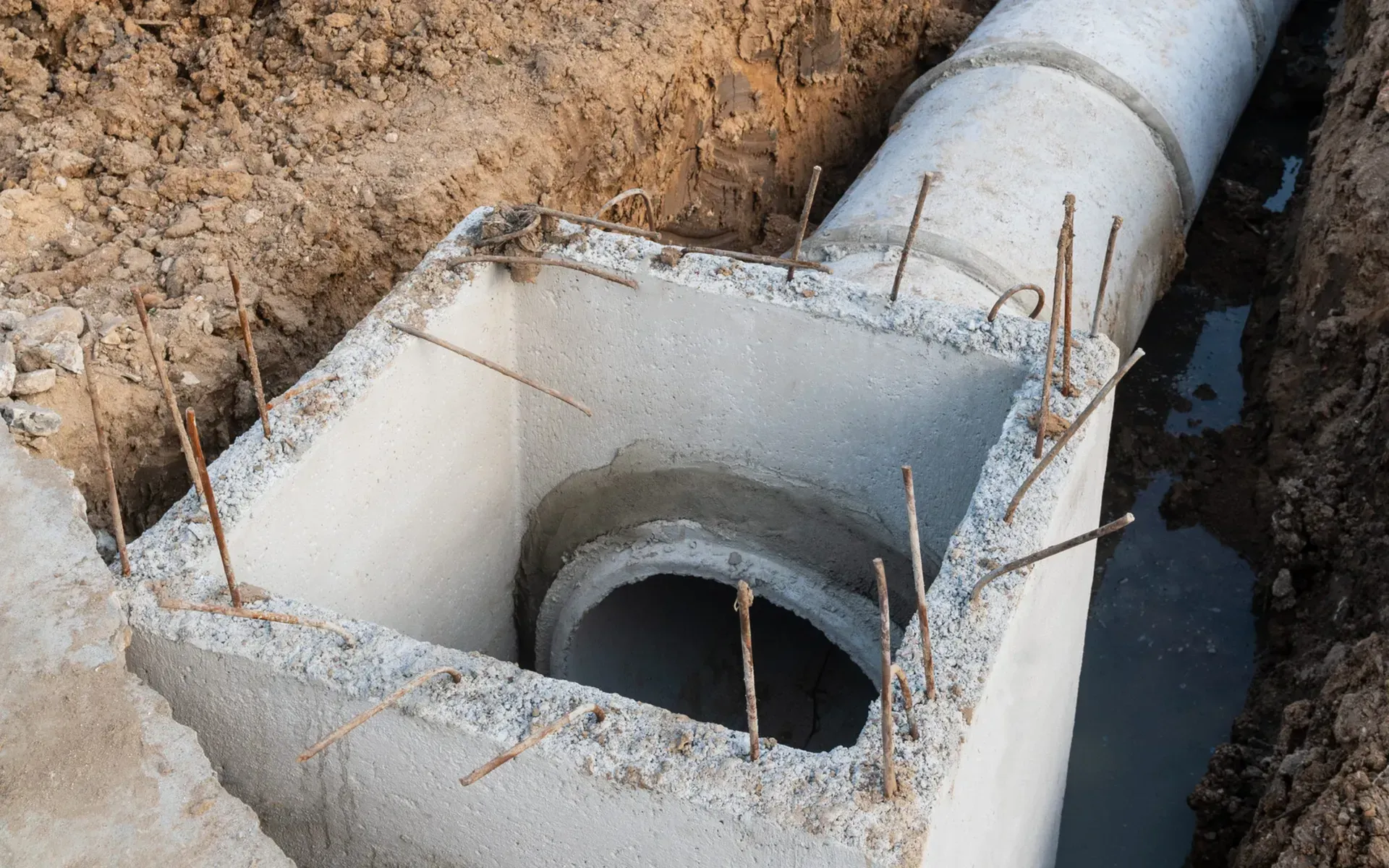
A culvert is used when water needs to pass under a driveway, road, access route, or crossing point. It can help keep traffic moving while allowing runoff to continue through a drainage path.
A ditch or swale is used to collect and guide surface water along a controlled route. Ditches are often more defined, while swales are usually broader and shallower.
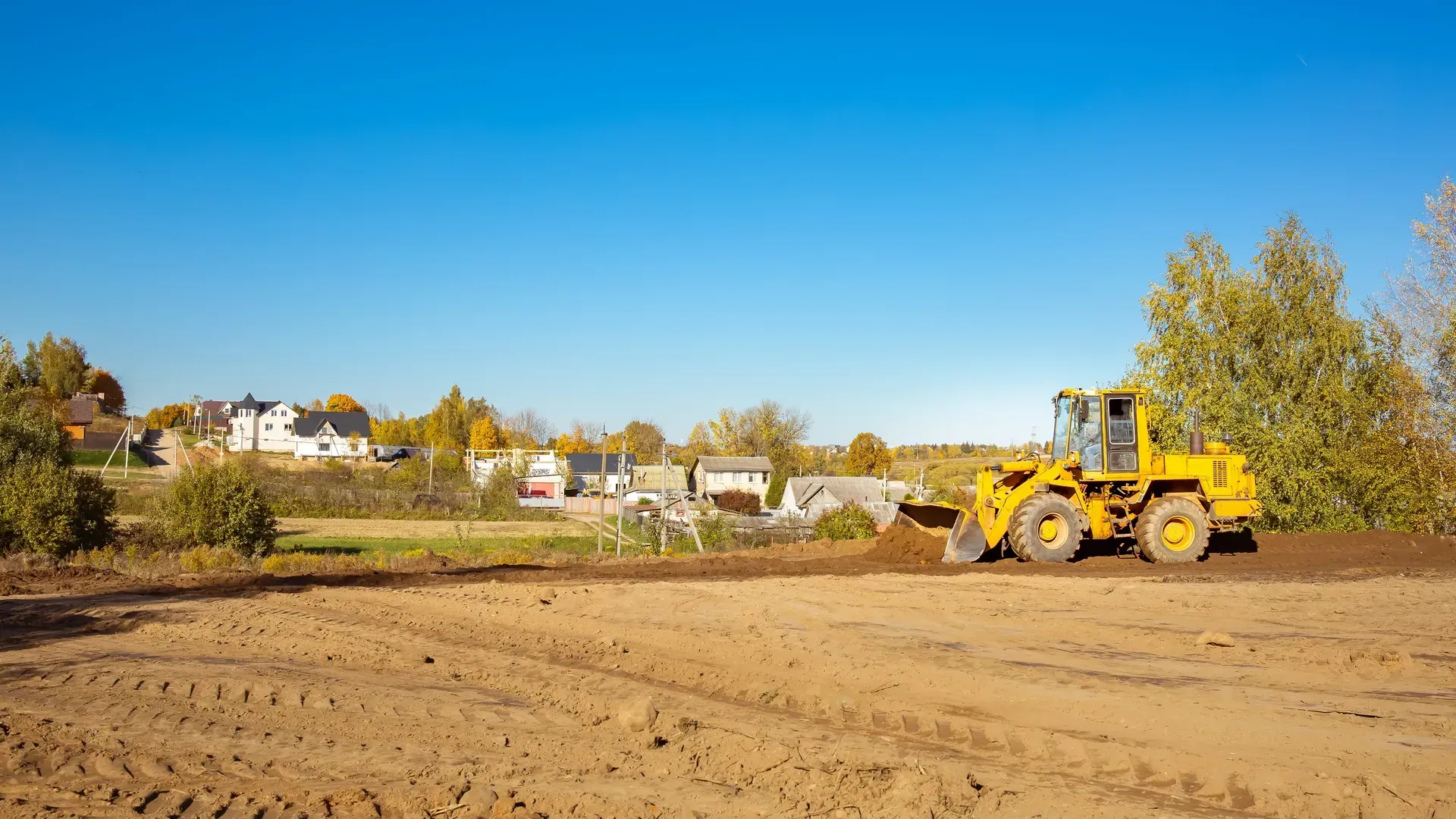
A grading fix changes the shape or slope of the ground so water moves away from problem areas instead of sitting, crossing surfaces, or flowing toward buildings and pads.
Many properties need more than one of these. A driveway washout may need grading, ditching, and a culvert. A wet building area may need drainage grading, a swale, and outlet protection. A commercial lot may need excavation, base correction, stormwater flow planning, and surface grading.
The Wrong Drainage Fix Can Move the Problem Somewhere Else
Drainage work should not only remove water from one spot. It should give water a better path without creating a new issue downstream or nearby.
A culvert without the right inlet, outlet, slope, or capacity may clog or overflow. A ditch that is too shallow may not carry enough water. A ditch that is too steep may erode. Grading a low spot without creating an outlet can simply move water into another low area. Adding gravel over a drainage issue may temporarily cover the problem but not stop the runoff.
This matters because drainage affects driveways, roads, building pads, concrete, asphalt, parking areas, slopes, pond banks, and usable land. The fix needs to match the water path, the property layout, and the finished use of the area.
Signs a Specific Drainage Fix May Be Needed
Different symptoms can point toward different types of drainage work.
You may need a culvert if water crosses a driveway or road
If runoff flows across an access route and washes out gravel, cuts ruts, or blocks travel after rain, the water may need a controlled path under the driveway or road.
You may need ditch work if water needs a defined route
Ditches can help collect and carry runoff along roads, driveways, property edges, or low areas. They may also need reshaping if they are clogged, shallow, eroded, or sending water the wrong direction.
You may need a swale if water needs a gentler surface path
A swale can help move water across a wider, shallower area. This may be useful around yards, open land, pads, or areas where a deeper ditch is not the right fit.
You may need grading if water sits in low spots
Standing water often means the ground is not shaped to drain. Grading can help create slope, remove low spots, or direct water away from structures, pads, surfaces, and access routes.
You may need erosion control if water is cutting soil away
If runoff is carving channels, undermining edges, exposing roots, or washing out slopes and outlets, the area may need rock, riprap, stabilization, or a changed drainage path.
You may need a larger plan if several problems show up together
Standing water, washouts, soft ground, culvert overflow, and erosion often connect. In those cases, one isolated fix may not be enough.
Common Drainage Fix Mistakes
Drainage problems can come back when the fix addresses only the most visible symptom.
Common mistakes include:
- Installing a culvert without checking the inlet and outlet
- Adding gravel where water is crossing a driveway instead of redirecting the runoff
- Cutting a ditch without considering erosion or outlet protection
- Grading an area flat instead of shaping it to drain
- Filling a low spot without giving water a place to go
- Sending runoff toward a building pad, concrete surface, asphalt area, or neighboring problem
- Ignoring soft ground or saturated base conditions before surface work
- Waiting until after concrete, asphalt, or pad work is finished to solve drainage
A better drainage fix starts by understanding the full path of water.
A Practical Way to Decide What Drainage Work May Be Needed
Before choosing a culvert, ditch, or grading correction, look at how water behaves during rain.
Step 1: Find where the water enters the area
Look for runoff from slopes, roads, driveways, fields, rooflines, parking areas, or higher ground.
Step 2: Identify what the water is damaging
Note whether it affects a driveway, road, pad, yard, concrete, asphalt, parking area, slope, ditch, culvert, or building area.
Step 3: Look for the natural low point
Water often collects where the property is lowest or where the grade blocks flow.
Step 4: Check whether water needs to cross under access
If the water must cross a driveway, private road, or equipment route, a culvert may be part of the solution.
Step 5: Look for an outlet
Water needs a safe exit. The outlet may need grading, ditching, rock protection, or erosion control.
Step 6: Plan the drainage before finished surfaces
If concrete, asphalt, gravel, a building pad, or a parking area is planned, drainage should usually be handled before the final surface goes in.
Photos or videos during rain can make it easier to understand the problem.
Services
Related Services to Review
These services are the most relevant next steps if this article matches what is happening on your property.
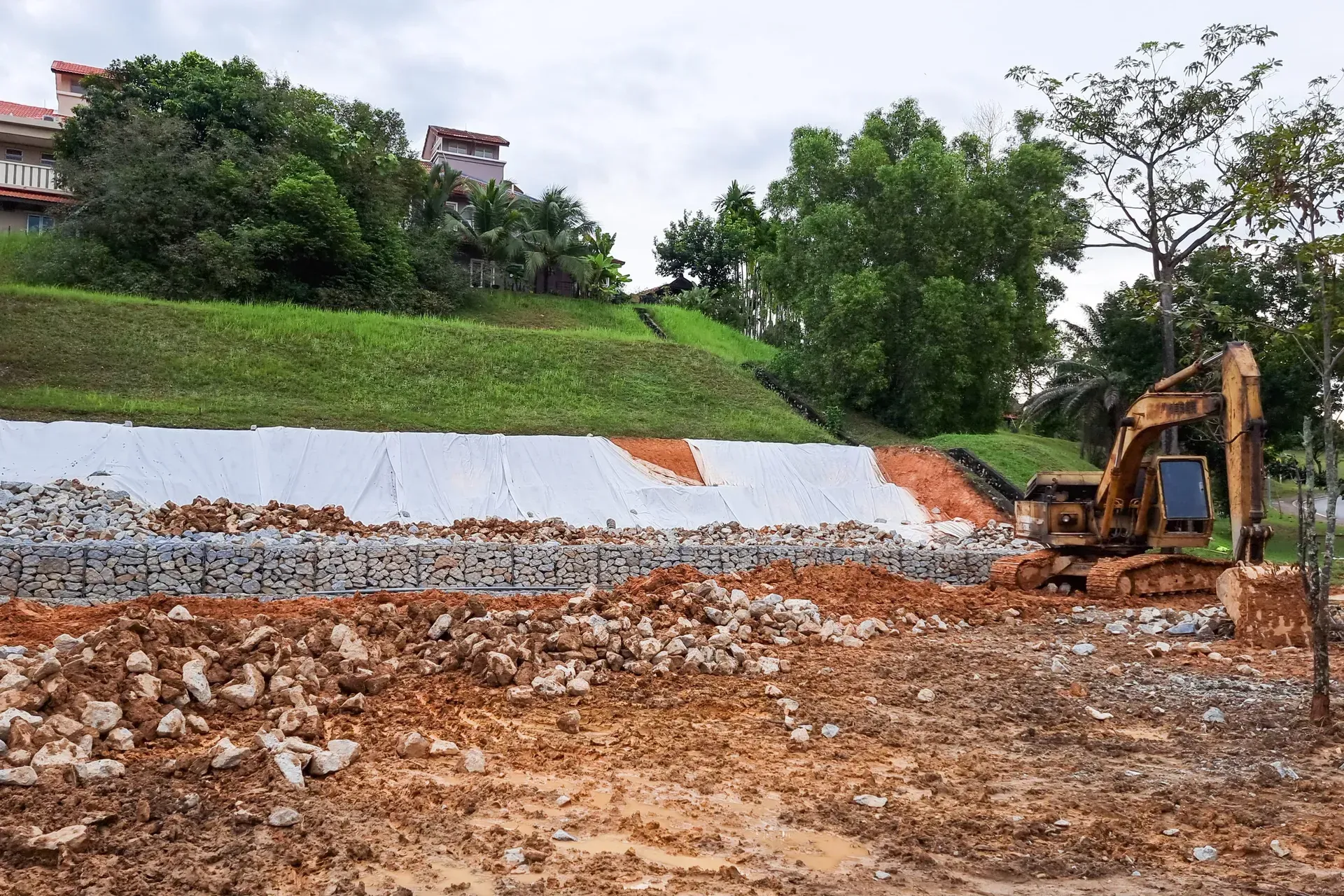
Not Sure Whether You Need a Culvert, Ditch, or Grading?
You do not need to diagnose the full drainage system before asking for help. Start with what the water is doing, what it is damaging, and where it seems to travel after rain.
RCR Construction can help you think through whether the issue may involve a culvert, ditch, swale, grading correction, erosion control, driveway repair, drainage path, or larger water-management plan.
Contact Us
Ask About a Culvert, Ditch, or Grading Fix
Share the property location, where the water is moving, what it is damaging, and whether the problem affects a driveway, road, pad, ditch, culvert, concrete, asphalt, or low area.