






Manage Water Before It Manages the Property

RCR Construction provides pond work, drainage basins, retention areas, spillways, pond bank support, runoff control, and rural water management around Rogers and Northwest Arkansas.


Whether the goal is a pond, a drainage basin, stormwater control, or better water movement across rural land, the site should be shaped around drainage, slope, soil, and long-term use.


Pond and Water Work Built Around the Site

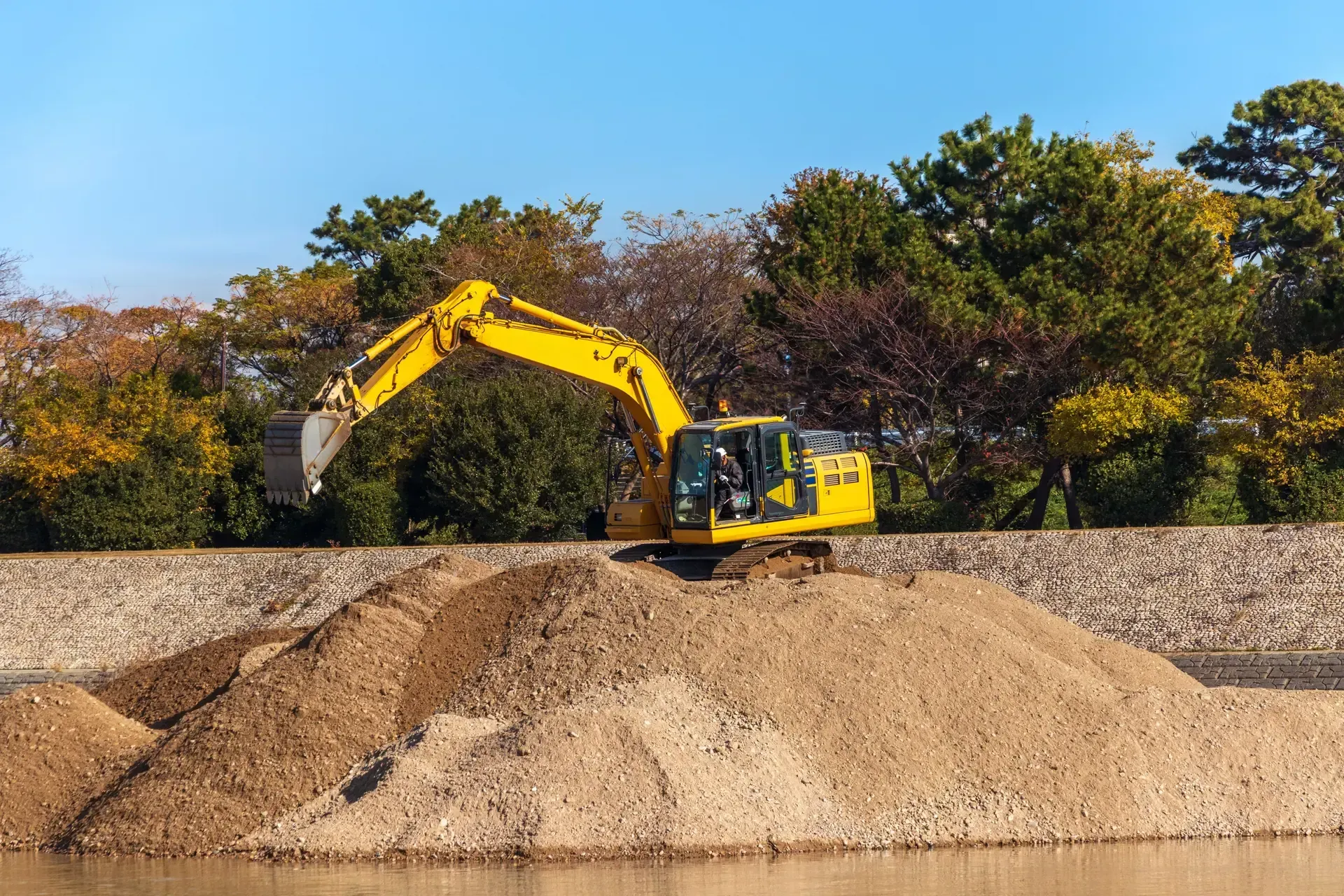
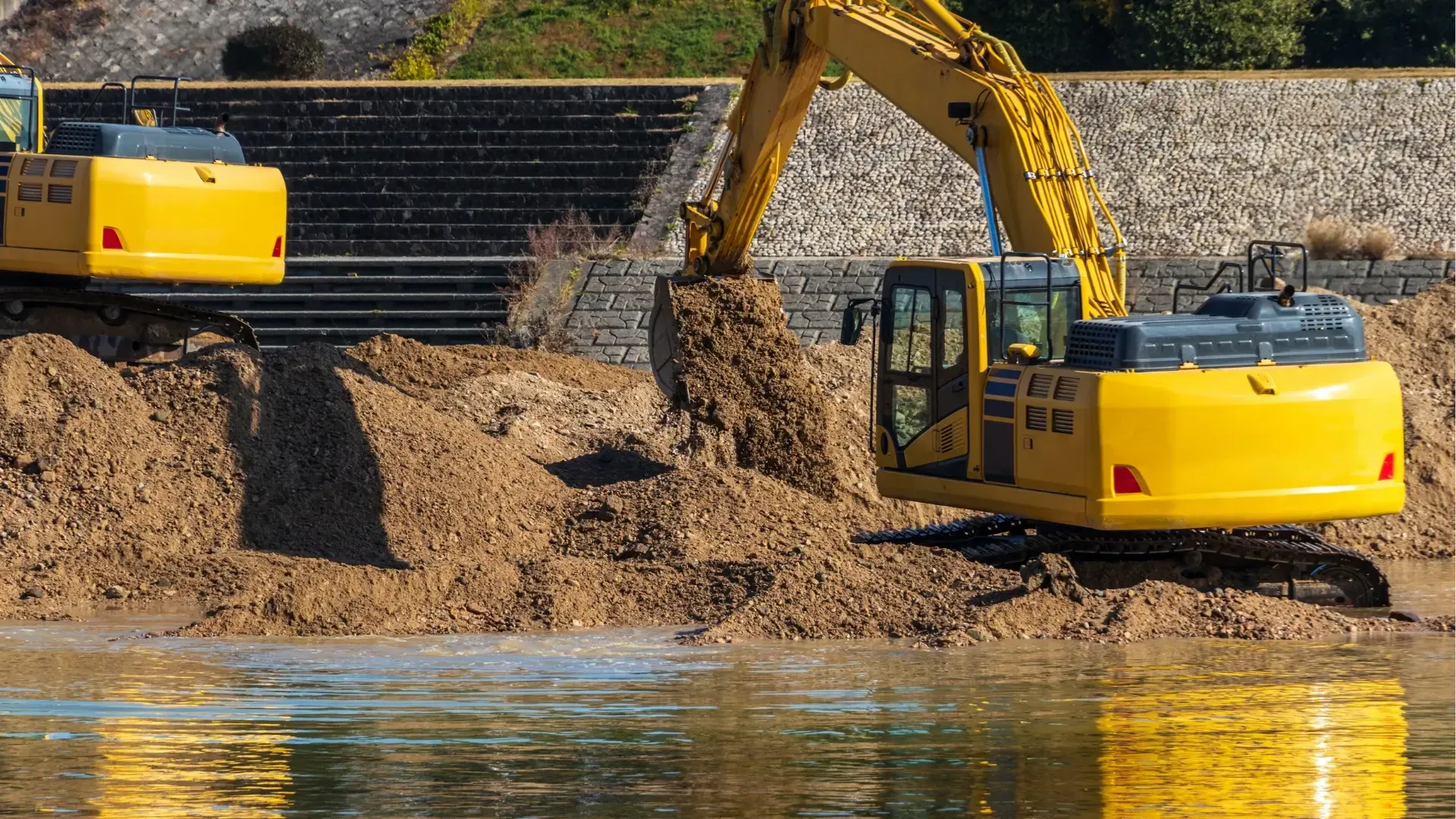
Pond excavation, expansion, cleanout, and site support

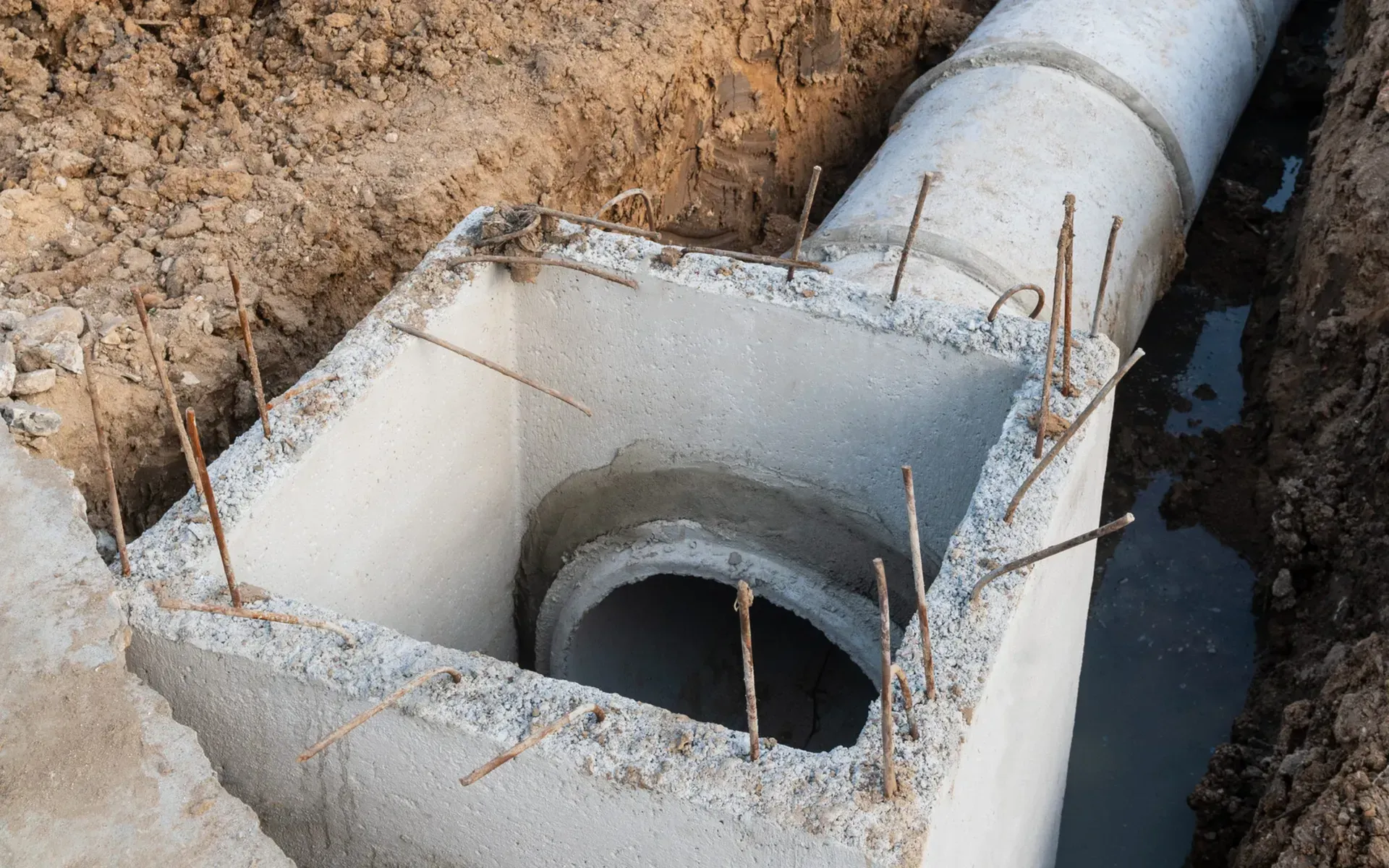
Retention areas, detention areas, drainage basins, and runoff control

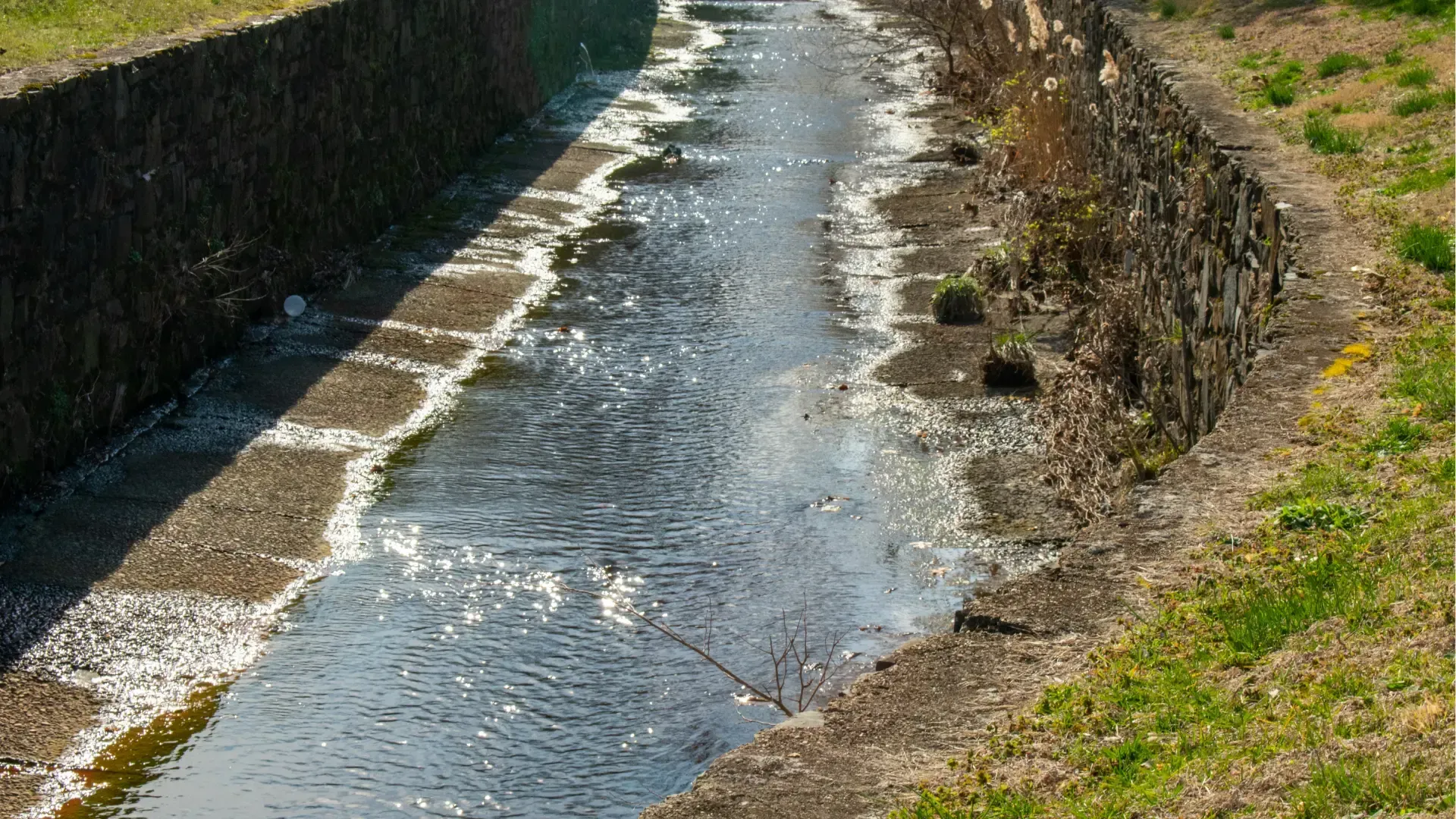
Spillways, pond banks, outlets, and rural water movement

Excavation, grading, drainage, erosion control, and hauling support available

Residential, rural, commercial, and acreage water-management projects

Request a Pond or Water Management Quote

Tell us what kind of pond, basin, runoff, or water-control issue you are dealing with and where the property is located.

Pond Work and Water Management That Fit the Property

Ponds and water-control areas need more than digging a low spot. They depend on slope, runoff, soil conditions, bank stability, inlet and outlet paths, spillways, drainage routes, and how the surrounding property will be used.


RCR Construction provides pond and water management support for rural properties, acreage, homesites, commercial sites, drainage basins, retention areas, and full site preparation projects around Rogers and Northwest Arkansas.


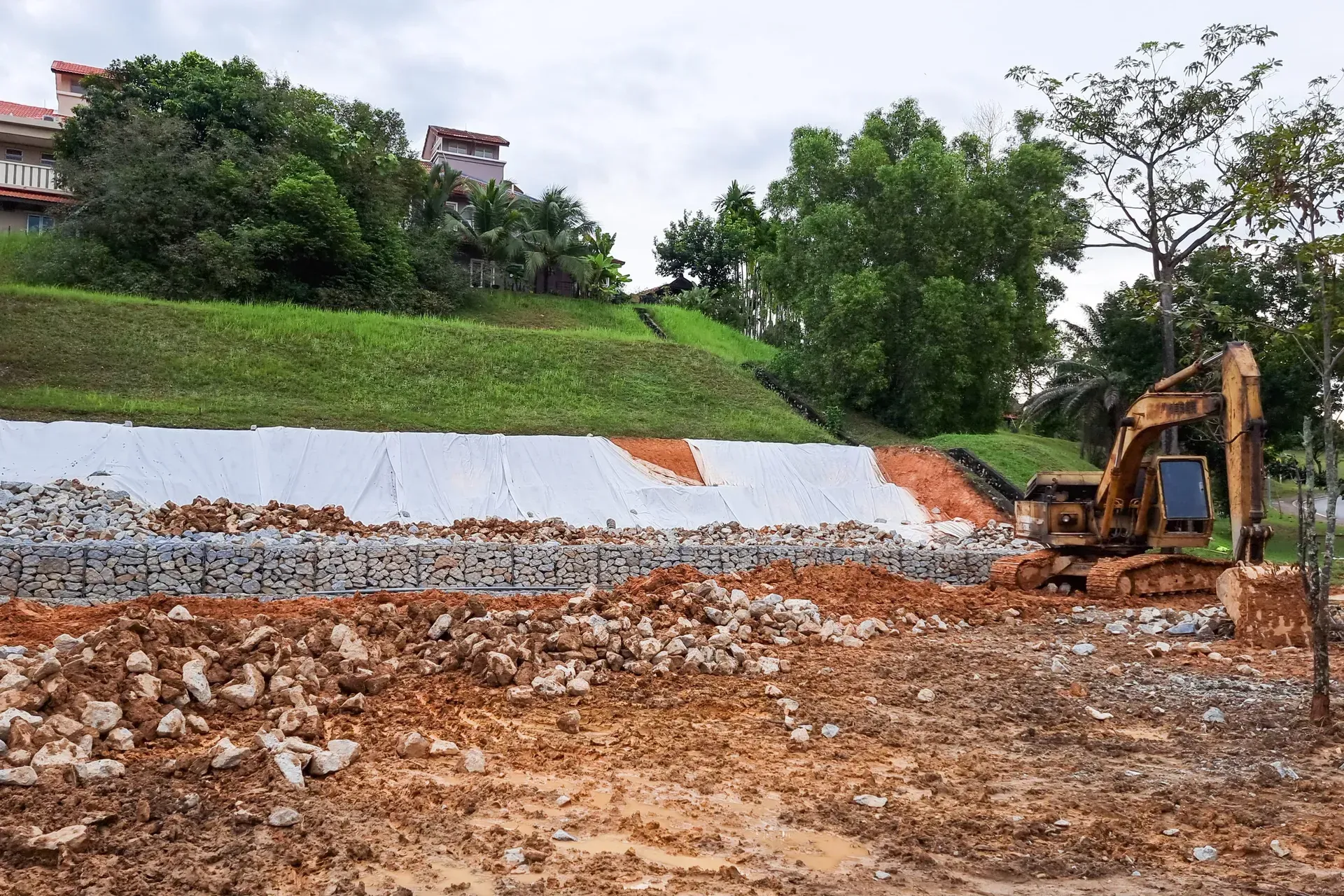
The work may include pond excavation, pond expansion, pond cleanout, drainage basin excavation, retention or detention areas, spillway shaping, runoff control, pond bank stabilization, sediment removal, grading, erosion control, hauling, and site cleanup.

When Water Needs a Better Place to Go

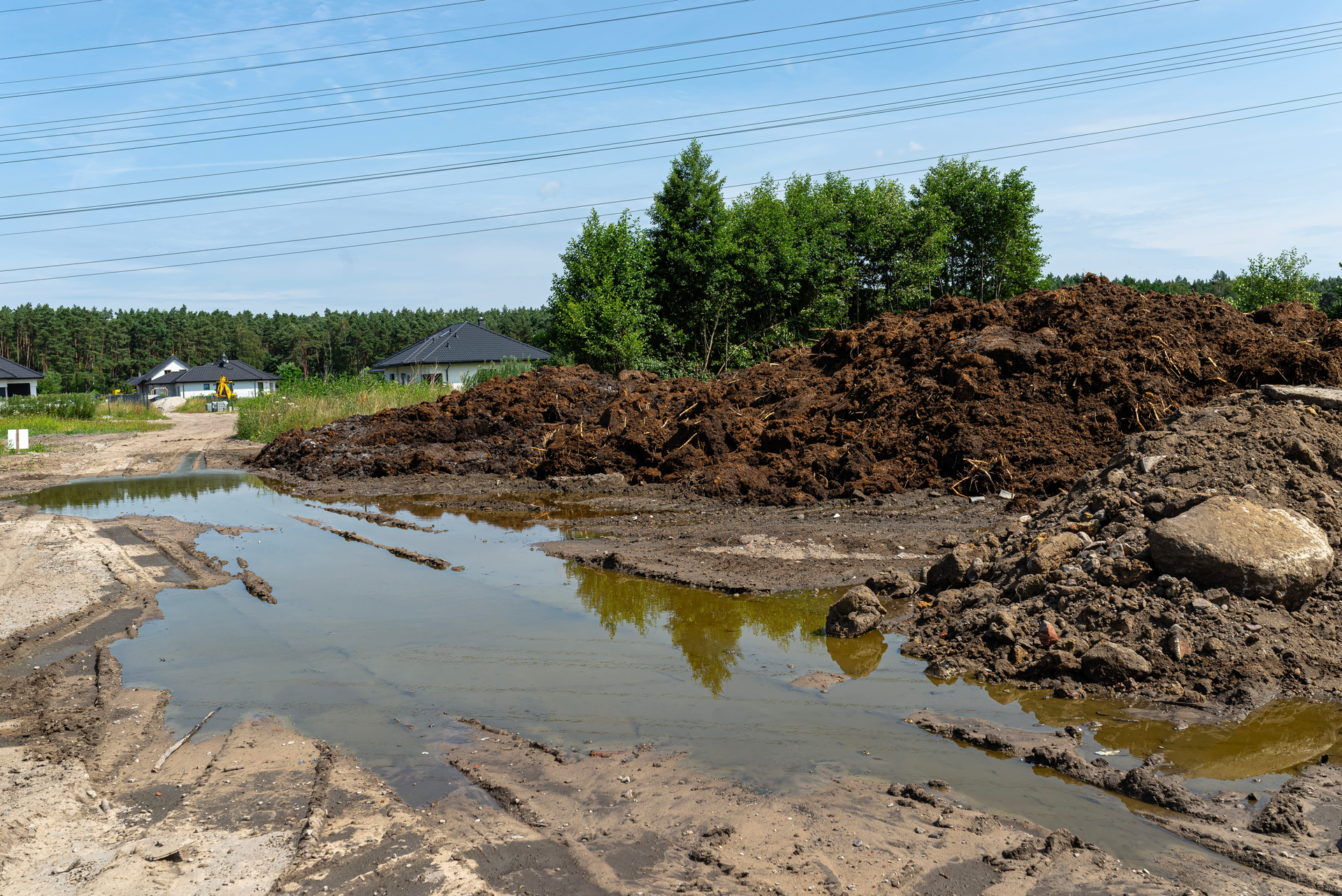
Water can be useful when it is controlled and damaging when it is not. Poorly managed runoff can wash out driveways, saturate pads, erode slopes, damage banks, overload ditches, or leave parts of a property unusable.


Ponds and water management can help solve problems like:

Rural runoff collecting in the wrong areas

Ponds that need excavation, expansion, cleanout, or reshaping

Drainage basins or retention areas that need to collect and manage water better

Spillways, outlets, or pond banks that are eroding or unstable

Sediment buildup reducing pond or basin capacity

Standing water that needs to be directed into a better drainage path or basin

Acreage, farm, or commercial properties that need larger water-control planning

Drainage issues that connect to grading, culverts, ditches, or erosion control

The right water-management plan helps protect the rest of the property from repeated runoff damage.
Signs Your Pond or Water System Needs Work
Pond and drainage basin problems often build slowly. Sediment collects, banks wear down, outlets fail, spillways wash out, and runoff starts going places it should not go. You may need pond or water management work if:
A pond has filled with sediment, brush, debris, or shallow areas
Pond banks are eroding, slumping, or washing away
A spillway, outlet, or drainage path is failing or cutting deeper
Runoff is overwhelming ditches, culverts, basins, or low areas
Water is staying where it prevents access, building, grazing, parking, or use
A retention area, detention area, or drainage basin needs excavation or reshaping
Rural land needs better water control before roads, pads, concrete, asphalt, or structures are installed
A larger property project needs ponds, drainage, grading, erosion control, and hauling planned together
If water is affecting how the land can be used, a broader water-management plan may be needed.
Pond Work Should Account for Inlets, Outlets, Banks, and Overflow

A pond or basin is only one part of the water system. The surrounding land determines how water reaches it, how fast it enters, what sediment it carries, and where overflow goes during heavy rain.


That is why pond and water management work should consider the full path of water. A cleanout may help capacity, but an eroding inlet or failing spillway can keep causing problems. A new basin may collect water, but it also needs a safe way to release overflow. A pond bank may need stabilization if runoff, slope, or water movement keeps cutting into it.


RCR Construction can connect pond work with drainage, culverts, grading, excavation, erosion control, hauling, access roads, pads, concrete, asphalt, and full site prep when the water-management project touches other parts of the property.

Step 4

Step 3

The project may involve clearing, excavation, base work, culverts, concrete, asphalt, hauling, or sequencing several pieces correctly.

You get a clearer understanding of what work is included and what needs to happen before the next phase.

Our Process

How the Pond & Water Management Process Works
RCR Construction approaches pond and water management work by looking at where water comes from, where it collects, and where it needs to go.

Step 1

Send the property location, photos, what is happening with the pond or water area, and what you want the finished area to do.

Step 2

RCR considers drainage paths, bank conditions, sediment, equipment access, nearby roads, pads, buildings, surfaces, and low areas.

Step 3

The work may include pond excavation, cleanout, basin shaping, spillway work, bank stabilization, grading, erosion control, hauling, or drainage correction.

Step 4

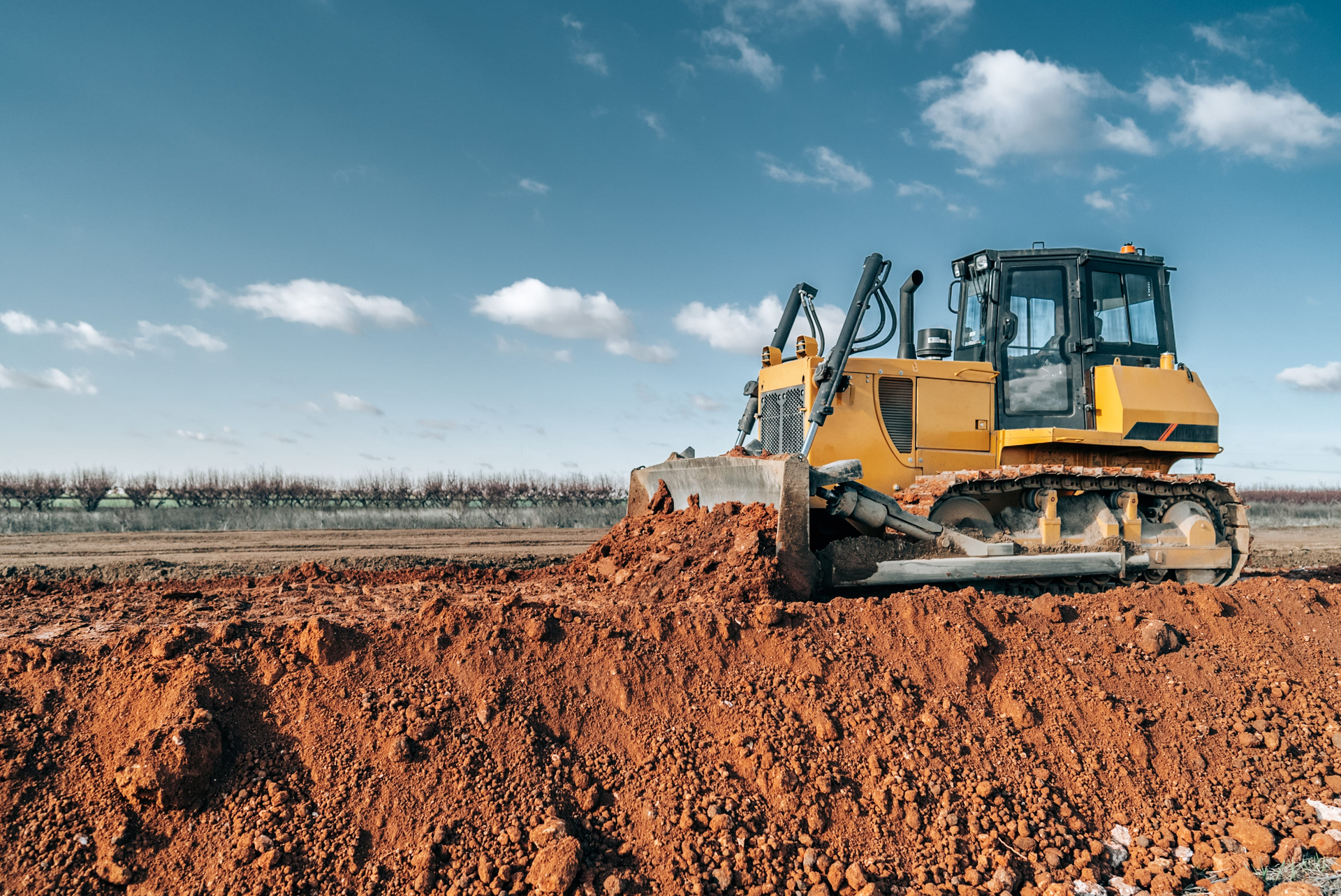
Excavation, grading, cut/fill, material movement, and access work may be needed before the pond or basin can function properly.

Step 5

Spillways, outlets, banks, slopes, rock protection, drainage paths, and erosion control may be included to help water move safely.

Step 6

The goal is a pond, basin, or water-control area that is cleaner, better shaped, and more useful for the property.

Related Project Options

Pond and Water Work Often Connects to a Bigger Property Plan
Ponds, basins, and water management often affect access, drainage, grading, erosion, roads, pads, and overall property use.
Fixing Drainage & Water Problems
For standing water, runoff, washouts, culverts, ditches, soft ground, slopes, basins, outlets, and water moving the wrong direction.
Full Project Management
For larger property projects that may include pond work, drainage, grading, excavation, access, pads, concrete, asphalt, hauling, and cleanup.
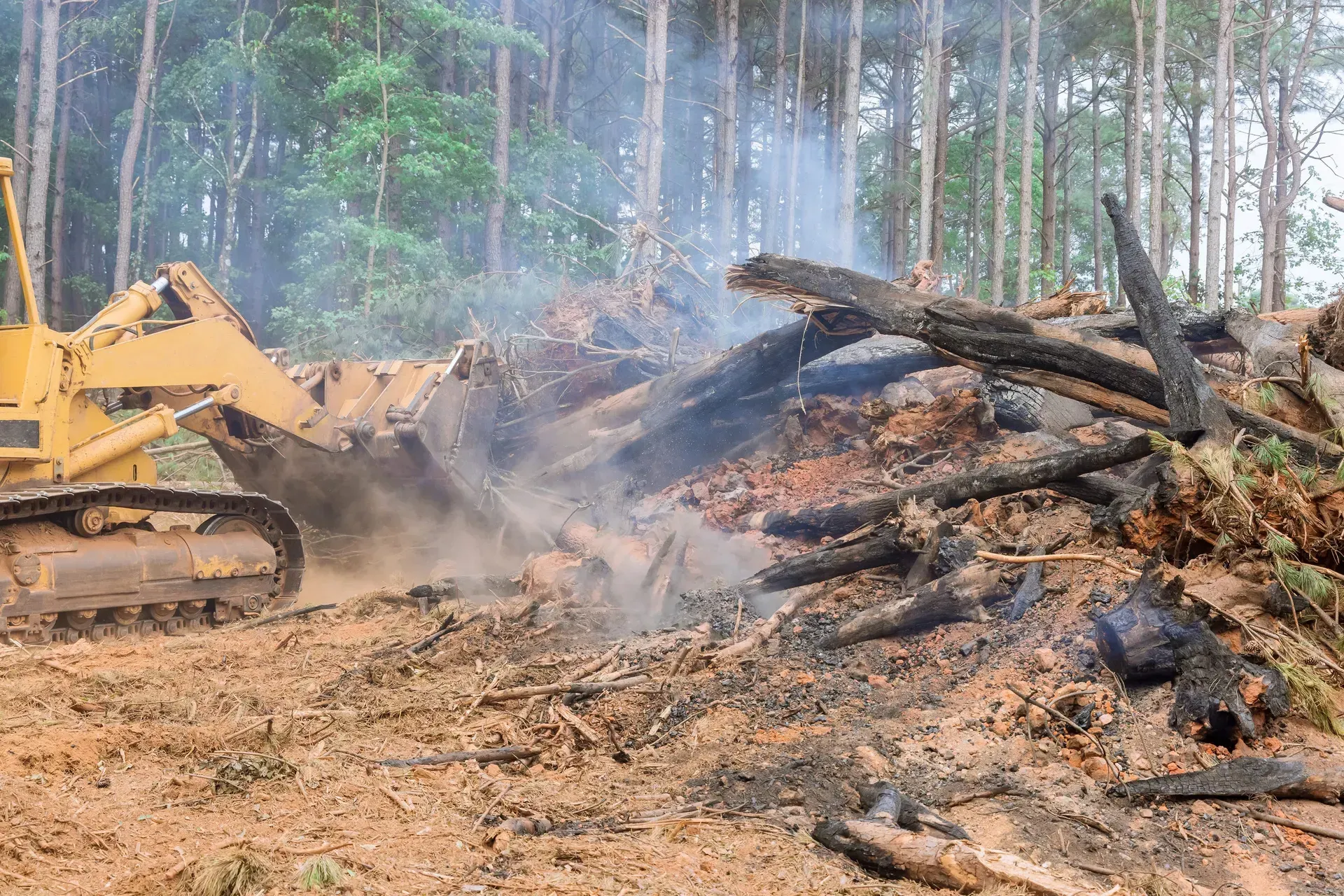
Cleaning Up Overgrown or Unusable Land
For properties where pond areas, drainage routes, overgrowth, access, grading, hauling, and cleanup need to work together to make the land usable again.

Related Services

Services That Commonly Connect to Ponds & Water Management
Water management projects often need several dirt work services planned together.
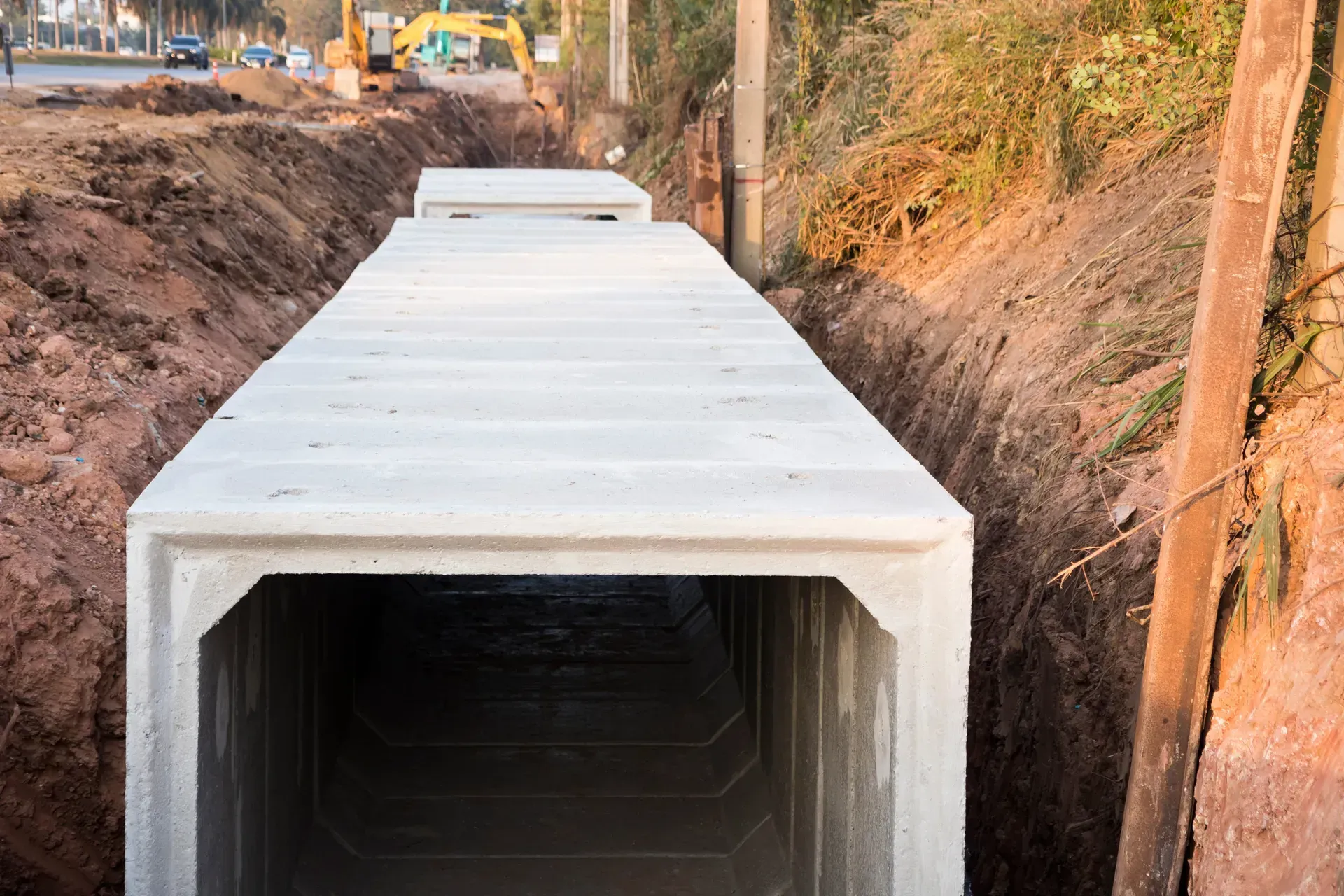
Drainage, Culverts & Stormwater
Culverts, ditches, swales, drainage pipe, stormwater movement, runoff correction, and outlet planning.
Erosion Control & Retaining Walls
Pond bank stabilization, slope support, riprap, outlet protection, washout repair, and erosion correction.
Excavation & Site Prep
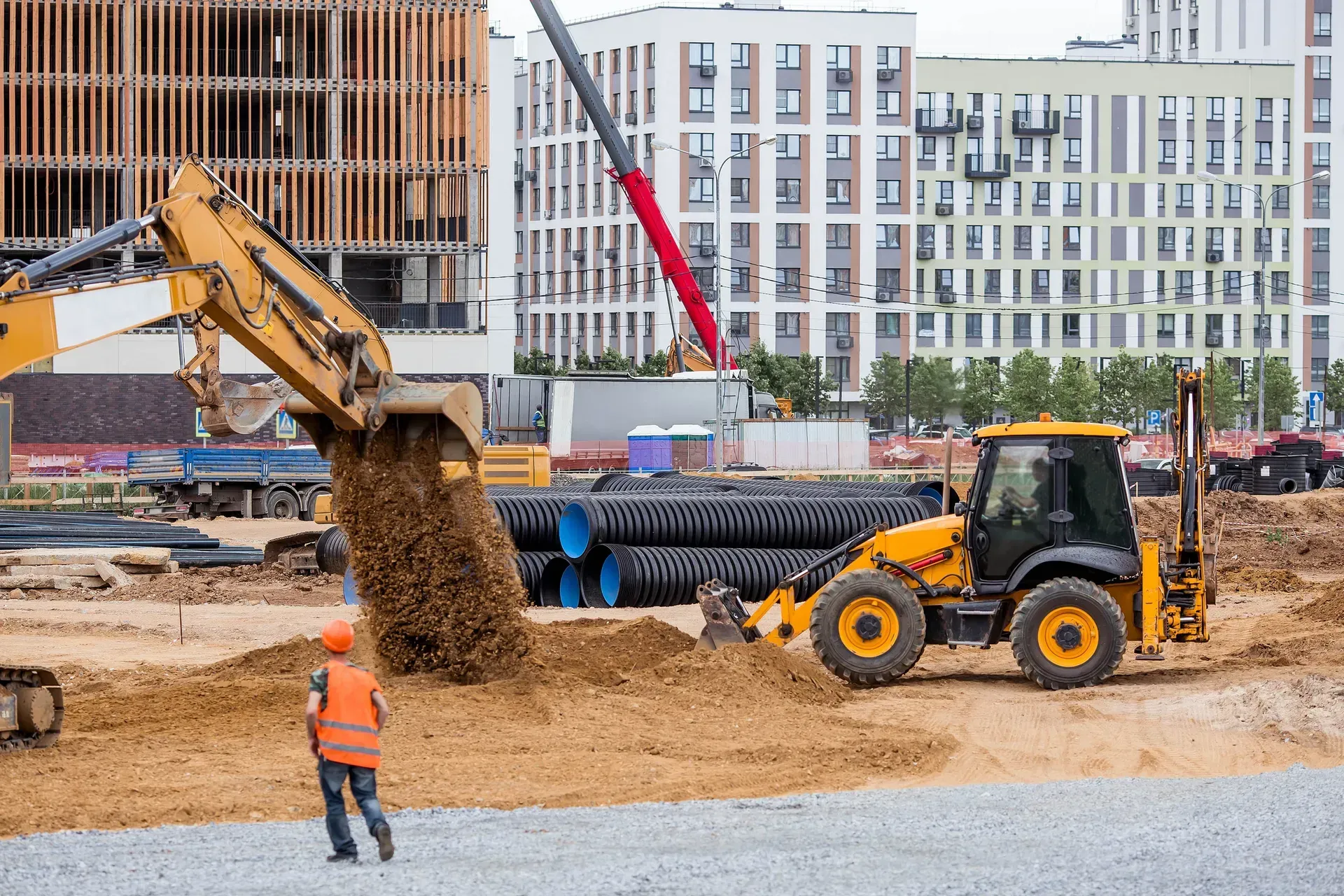
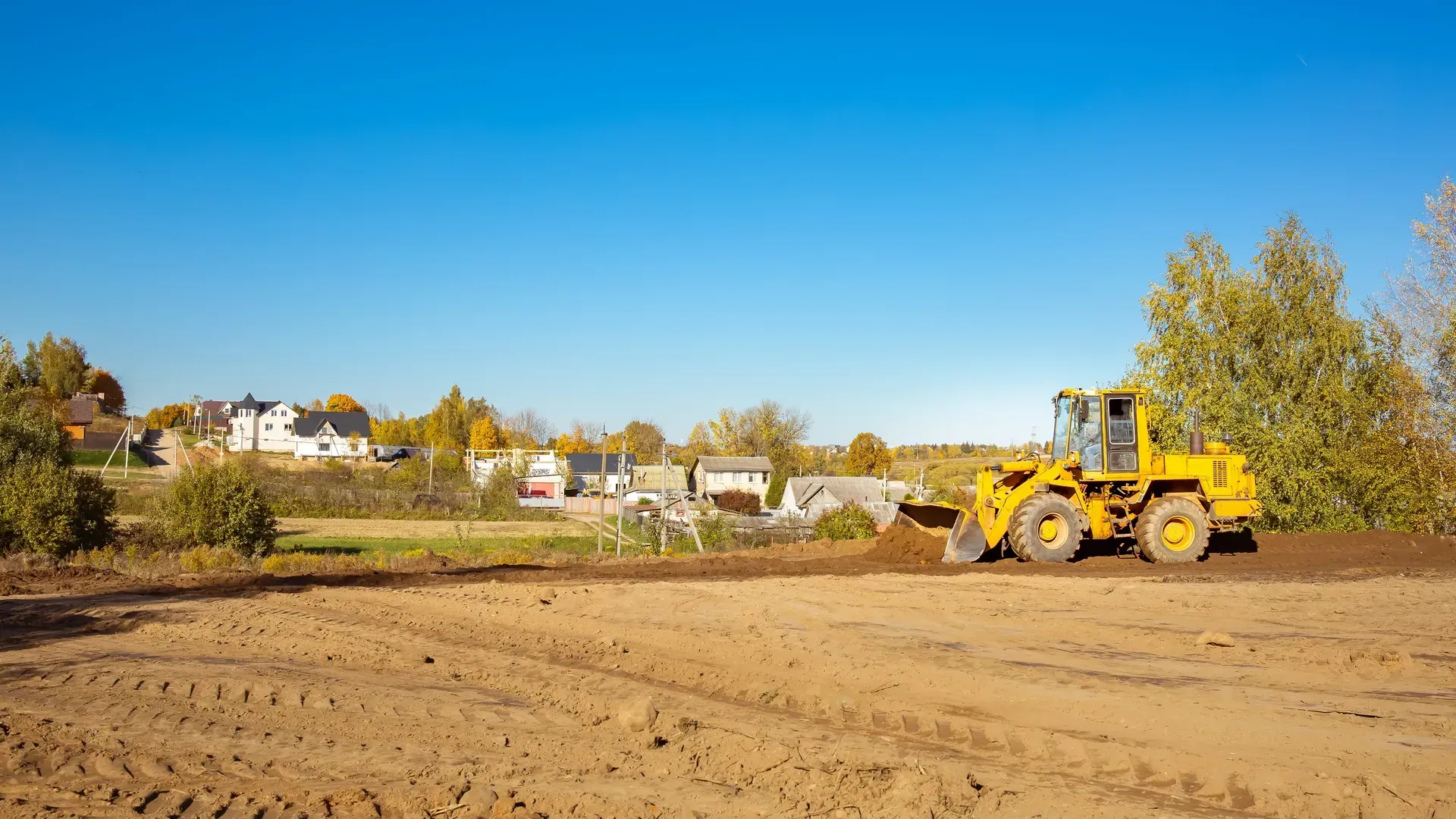
Pond excavation, basin shaping, cut/fill, trenching, site shaping, and material movement.
Grading & Leveling
Drainage grading, slope correction, basin shaping, access grading, and site leveling around water areas.
Hauling & Materials
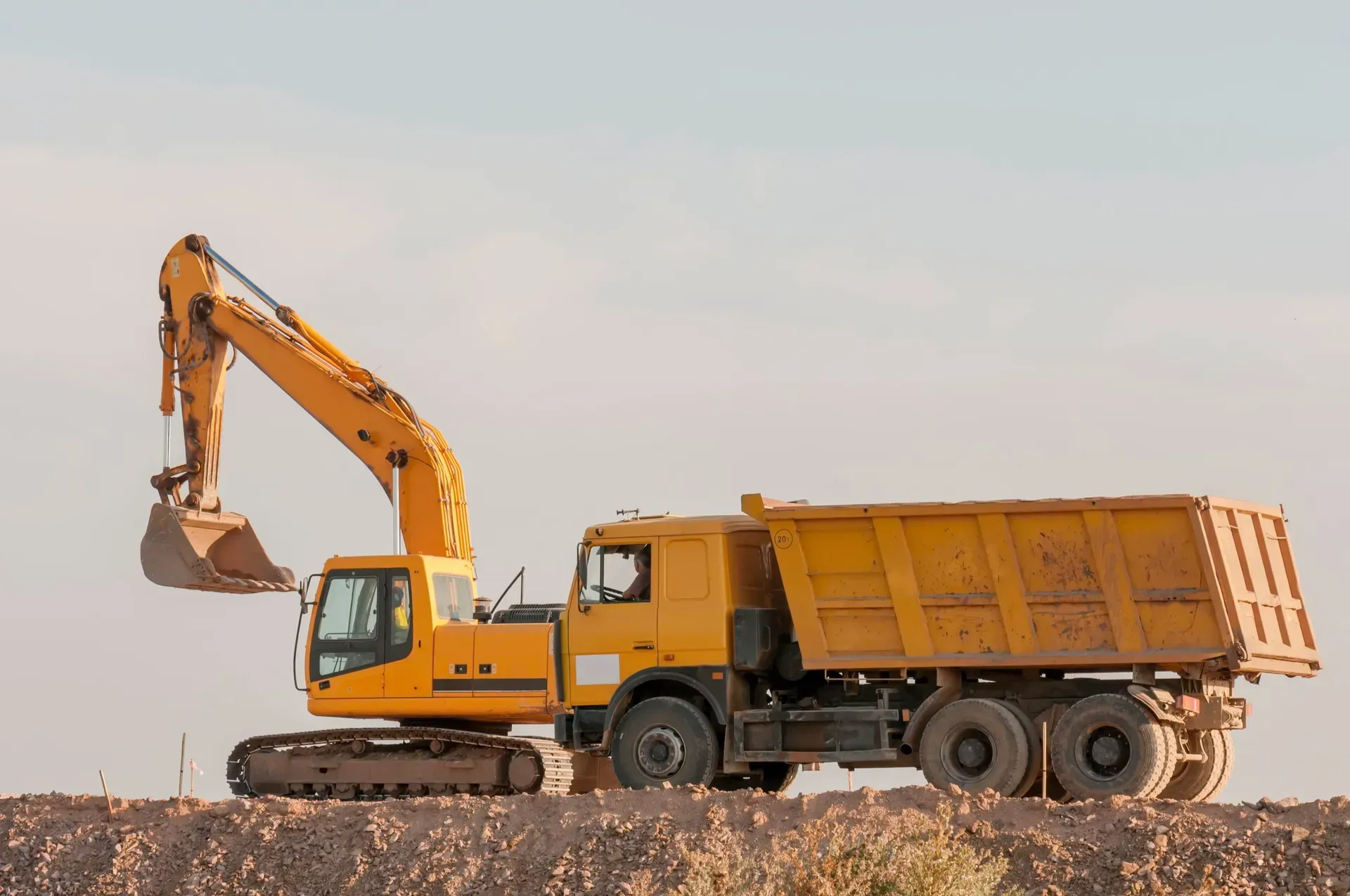
Rock, riprap, dirt, fill, spoils, sediment, debris removal, material delivery, placement, spreading, and cleanup.
Water Management Should Protect the Land Around It

A pond or basin should not create new problems for the property. If water is not collected, released, or stabilized properly, it can damage banks, driveways, pads, concrete, asphalt, roads, slopes, and usable land.


RCR Construction focuses pond and water management projects around practical site factors:

Where runoff enters the pond or basin
Whether sediment, brush, or debris has reduced capacity
How overflow leaves the area during heavy rain
Whether banks, slopes, spillways, or outlets need stabilization
How pond or basin work affects access, pads, roads, and drainage routes
What material needs excavated, hauled, placed, or cleaned up
That helps the water-control area support the property instead of becoming another source of damage.

Why Choose Us?

Why Choose RCR Construction for Ponds & Water Management?
Water Work Planned Around the Property
RCR looks at the pond, basin, runoff, access, slopes, and surrounding site conditions together so the work supports the whole property.
Excavation, Grading, Drainage, and Stabilization Support
Pond and water projects may involve excavation, grading, drainage, erosion control, riprap, hauling, access work, and cleanup.
Support for Rural, Residential, and Commercial Water Needs
RCR can help with acreage ponds, rural drainage, retention areas, detention areas, pond cleanouts, commercial basins, and property water control.
Protection for Roads, Pads, Surfaces, and Usable Land
Water-management work can help protect driveways, access roads, building pads, concrete, asphalt, parking areas, slopes, and low areas from repeated damage.
Practical Recommendations Before Work Begins
RCR can help determine whether the property needs pond work, drainage correction, grading, erosion control, hauling, or a larger water-management plan.

Avoca

Tontitown

Avoca

Avoca

Springdale

Cave Springs

Rogers

Fayetteville

Rogers

Lowell

Avoca

Garfield

Elm Springs

Johnson

Fayetteville

Prairie Grove

Bella Vista

Gateway

Rogers

Bentonville

Pond & Water Management Work Around Rogers and Northwest Arkansas

RCR Construction provides pond and water management work in Rogers and nearby Northwest Arkansas communities within roughly 40 miles, depending on project scope, access, site conditions, and scheduling.


Service areas include:

Rogers

Bentonville

Springdale

Fayetteville

Lowell

Cave Springs

Centerton

Little Flock

Bella Vista

Pea Ridge

Avoca

Garfield

Gateway

Prairie Creek

Highfill

Elm Springs

Tontitown

Johnson

Farmington

Prairie Grove

Goshen

Elkins

Siloam Springs

Gentry

Decatur

Gravette

Sulphur Springs

Eureka Springs

Huntsville

Nearby cross-border areas may also be considered by project fit, including West Siloam Springs, Watts, Pineville, Jane, Noel, Anderson, and Goodman.

Blogs

Helpful Pond & Water Management Planning Guides
These articles can help you understand how ponds, basins, drainage, and erosion control connect on a property.
May 21, 2026
Standing Water Usually Means the Property Has a Flow Problem Standing water can be frustrating because it often looks like a simple puddle, but it usually points to a larger drainage issue. If water keeps collecting in the same spot after rain, the property may not have the right grade, outlet, soil conditions, ditch, culvert, or drainage path to move water away. For property owners around Rogers and Northwest Arkansas, standing water can affect yards, driveways, access roads, building pads, concrete, asphalt, parking areas, shop sites, barns, garages, and rural acreage. The water may disappear for a while, but if the cause is still there, it usually comes back after the next rain. Understanding why standing water returns can help you avoid temporary fixes that only hide the issue for a short time. Standing Water Is the Symptom, Not Always the Root Problem A low wet spot may be the part you notice, but the actual cause may be somewhere else on the property. Water may be entering from higher ground, crossing a driveway, backing up at a culvert, collecting because of poor slope, or saturating the ground because it has nowhere to exit. Standing water may be caused by: Low spots or uneven grade Runoff from higher areas Missing, clogged, crushed, or undersized culverts Ditches or swales that do not carry water correctly Soil that stays saturated after rain Driveways, pads, concrete, or asphalt blocking natural flow Poorly shaped parking areas or access roads Compacted areas that do not drain well Erosion or sediment blocking a drainage path No clear outlet for stormwater Repeated Standing Water Can Damage More Than the Wet Spot Standing water can create problems beyond inconvenience. When water sits or moves slowly through the wrong area, it can weaken surfaces, soften base material, and make the property harder to use. Repeated standing water may lead to: Soft, muddy, or unstable ground Driveway ruts and gravel washout Weak base under concrete or asphalt Erosion along slopes, ditches, or outlets Delays before building pad, slab, or surface work Standing water near shops, houses, garages, barns, or other structures Parking areas that rut, settle, or hold water Maintenance problems after every heavy rain This is why drainage should often be considered before adding gravel, pouring concrete, installing asphalt, preparing a pad, or finishing a driveway. If water is still collecting in the wrong place, the finished work may have to fight the same problem later. Why the Same Water Problem Keeps Returning If standing water keeps coming back, one of these conditions may be involved. The area is lower than the surrounding ground Water naturally collects in low spots. If the property was never graded with drainage in mind, water may settle there after every rain. Runoff is coming from another part of the property The wet area may not be the starting point. Water may be flowing from a hill, road, driveway, roofline, neighboring property, field, or parking area before collecting in one place. There is no clear outlet Water needs somewhere to go. Without a ditch, swale, culvert, pipe, basin, or safe drainage path, it may sit until it slowly evaporates or soaks in. A culvert or ditch is not working correctly Culverts can clog, crush, settle, or be too small. Ditches can fill with sediment, become too shallow, or send water the wrong direction. The grade is sending water the wrong way If the land slopes toward a building, driveway, pad, parking area, concrete surface, or asphalt surface, water may keep returning even after surface repairs. The soil stays saturated Some areas hold moisture longer because of soil type, compaction, shade, groundwater, or lack of drainage. In those cases, simply filling the wet spot may not solve the problem. A surface changed the natural flow Driveways, pads, concrete, asphalt, buildings, parking areas, and compacted surfaces can change where water moves. If that flow is not planned, water may collect somewhere new. Common Standing Water Mistakes Standing water often comes back when the visible puddle is treated without addressing the path of water. Common mistakes include: Filling the low spot without creating an outlet Adding gravel to a wet driveway without fixing drainage Grading the area flat instead of shaping it to move water Installing a culvert without checking inlet, outlet, slope, or capacity Sending water toward another problem area Pouring concrete or installing asphalt before the drainage issue is solved Ignoring erosion, sediment, or clogged ditches Assuming the wet spot is the entire problem A better drainage plan looks at where water starts, where it travels, where it collects, and where it can safely exit. A Practical Way to Diagnose Standing Water Before choosing a fix, it helps to observe what the water is doing during or right after rain. Step 1: Watch where the water comes from Look for runoff from slopes, roads, driveways, rooflines, fields, parking areas, or higher ground. Step 2: Notice where it collects Identify the low spots, ruts, soft areas, driveway crossings, pad areas, ditches, or surfaces that hold water. Step 3: Look for the current outlet Find where the water is trying to go. If there is no outlet, or if the outlet is blocked, undersized, or poorly graded, the water may keep sitting. Step 4: Check nearby surfaces and structures Driveways, pads, concrete, asphalt, parking areas, and buildings may be changing the natural flow. Step 5: Consider the grade The site may need slope correction, drainage grading, a swale, ditching, culvert work, or another route for water. Step 6: Plan the fix before adding surface material If the area needs gravel, concrete, asphalt, or pad work, drainage should usually be addressed before the final surface goes in. Photos or videos right after rain can be helpful because they show the actual water path before it dries up.
May 21, 2026
Water Problems Do Not All Need the Same Fix When water keeps standing, washing out gravel, crossing a driveway, cutting a ditch, or softening the ground, it can be hard to know what kind of drainage fix is needed. Some properties need a culvert. Others need ditch work, a swale, grading correction, erosion protection, or a combination of several things. For property owners around Rogers and Northwest Arkansas, drainage problems often show up after heavy rain, especially on sloped properties, rural land, driveways, building sites, and commercial areas. The visible problem may be a puddle or washout, but the real issue is usually how water is entering, moving through, and leaving the site. Understanding the difference between culverts, ditches, and grading can help you think through the right next step. Culverts, Ditches, and Grading All Move Water Differently A drainage fix should match the way water is behaving on the property. A culvert is used when water needs to pass under a driveway, road, access route, or crossing point. It can help keep traffic moving while allowing runoff to continue through a drainage path. A ditch or swale is used to collect and guide surface water along a controlled route. Ditches are often more defined, while swales are usually broader and shallower. A grading fix changes the shape or slope of the ground so water moves away from problem areas instead of sitting, crossing surfaces, or flowing toward buildings and pads. Many properties need more than one of these. A driveway washout may need grading, ditching, and a culvert. A wet building area may need drainage grading, a swale, and outlet protection. A commercial lot may need excavation, base correction, stormwater flow planning, and surface grading. The Wrong Drainage Fix Can Move the Problem Somewhere Else Drainage work should not only remove water from one spot. It should give water a better path without creating a new issue downstream or nearby. A culvert without the right inlet, outlet, slope, or capacity may clog or overflow. A ditch that is too shallow may not carry enough water. A ditch that is too steep may erode. Grading a low spot without creating an outlet can simply move water into another low area. Adding gravel over a drainage issue may temporarily cover the problem but not stop the runoff. This matters because drainage affects driveways, roads, building pads, concrete, asphalt, parking areas, slopes, pond banks, and usable land. The fix needs to match the water path, the property layout, and the finished use of the area. Signs a Specific Drainage Fix May Be Needed Different symptoms can point toward different types of drainage work. You may need a culvert if water crosses a driveway or road If runoff flows across an access route and washes out gravel, cuts ruts, or blocks travel after rain, the water may need a controlled path under the driveway or road. You may need ditch work if water needs a defined route Ditches can help collect and carry runoff along roads, driveways, property edges, or low areas. They may also need reshaping if they are clogged, shallow, eroded, or sending water the wrong direction. You may need a swale if water needs a gentler surface path A swale can help move water across a wider, shallower area. This may be useful around yards, open land, pads, or areas where a deeper ditch is not the right fit. You may need grading if water sits in low spots Standing water often means the ground is not shaped to drain. Grading can help create slope, remove low spots, or direct water away from structures, pads, surfaces, and access routes. You may need erosion control if water is cutting soil away If runoff is carving channels, undermining edges, exposing roots, or washing out slopes and outlets, the area may need rock, riprap, stabilization, or a changed drainage path. You may need a larger plan if several problems show up together Standing water, washouts, soft ground, culvert overflow, and erosion often connect. In those cases, one isolated fix may not be enough. Common Drainage Fix Mistakes Drainage problems can come back when the fix addresses only the most visible symptom. Common mistakes include: Installing a culvert without checking the inlet and outlet Adding gravel where water is crossing a driveway instead of redirecting the runoff Cutting a ditch without considering erosion or outlet protection Grading an area flat instead of shaping it to drain Filling a low spot without giving water a place to go Sending runoff toward a building pad, concrete surface, asphalt area, or neighboring problem Ignoring soft ground or saturated base conditions before surface work Waiting until after concrete, asphalt, or pad work is finished to solve drainage A better drainage fix starts by understanding the full path of water. A Practical Way to Decide What Drainage Work May Be Needed Before choosing a culvert, ditch, or grading correction, look at how water behaves during rain. Step 1: Find where the water enters the area Look for runoff from slopes, roads, driveways, fields, rooflines, parking areas, or higher ground. Step 2: Identify what the water is damaging Note whether it affects a driveway, road, pad, yard, concrete, asphalt, parking area, slope, ditch, culvert, or building area. Step 3: Look for the natural low point Water often collects where the property is lowest or where the grade blocks flow. Step 4: Check whether water needs to cross under access If the water must cross a driveway, private road, or equipment route, a culvert may be part of the solution. Step 5: Look for an outlet Water needs a safe exit. The outlet may need grading, ditching, rock protection, or erosion control. Step 6: Plan the drainage before finished surfaces If concrete, asphalt, gravel, a building pad, or a parking area is planned, drainage should usually be handled before the final surface goes in. Photos or videos during rain can make it easier to understand the problem.

FAQs

Pond & Water Management Questions
  • What pond and water management services does RCR Construction provide?

    RCR Construction can help with pond excavation, pond expansion, pond cleanout, drainage basins, retention areas, detention areas, spillways, runoff control, pond bank stabilization, sediment removal, grading, erosion control, hauling, and related site prep.

  • Can pond work help with drainage problems on rural land?

    Yes. Ponds, basins, ditches, culverts, swales, grading, and outlets can all be part of managing water on rural or acreage properties. The right solution depends on where the water comes from and where it can safely go.

  • What causes pond banks or spillways to wash out?

    Pond banks and spillways can wash out when runoff moves too quickly, outlets are not stabilized, slopes are too steep, sediment builds up, or water does not have a safe overflow path. Grading, rock, riprap, drainage, or stabilization may be needed.

  • Can RCR help clean out or reshape an existing pond?

    Yes. Existing ponds may need sediment removal, bank reshaping, access work, spillway support, erosion control, or cleanup depending on the condition of the pond and the surrounding property.

  • What should I send for a pond or water management quote?

    Send the property location, photos of the pond or water issue, what happens after rain, where water enters or exits, whether banks or spillways are eroding, and what you want the area to do after the work is complete.

  • Does RCR provide pond and water management work outside Rogers?

    RCR Construction serves Rogers and nearby Northwest Arkansas communities including Bentonville, Springdale, Fayetteville, Lowell, Cave Springs, Centerton, Bella Vista, Pea Ridge, Siloam Springs, and surrounding areas depending on project fit.

Ready to Get Water Under Control?
Shape the pond, basin, outlet, bank, or runoff path around how the property needs to work.
Plan water management with drainage, grading, erosion control, access, and long-term use in mind.
Send the project details and RCR Construction will help you move forward.

Contact Us

Request Your Pond or Water Management Quote
Share the property location, what kind of pond or water issue you are dealing with, and what you want the area to support after the work is complete. RCR Construction can review the details and help plan the right scope.