






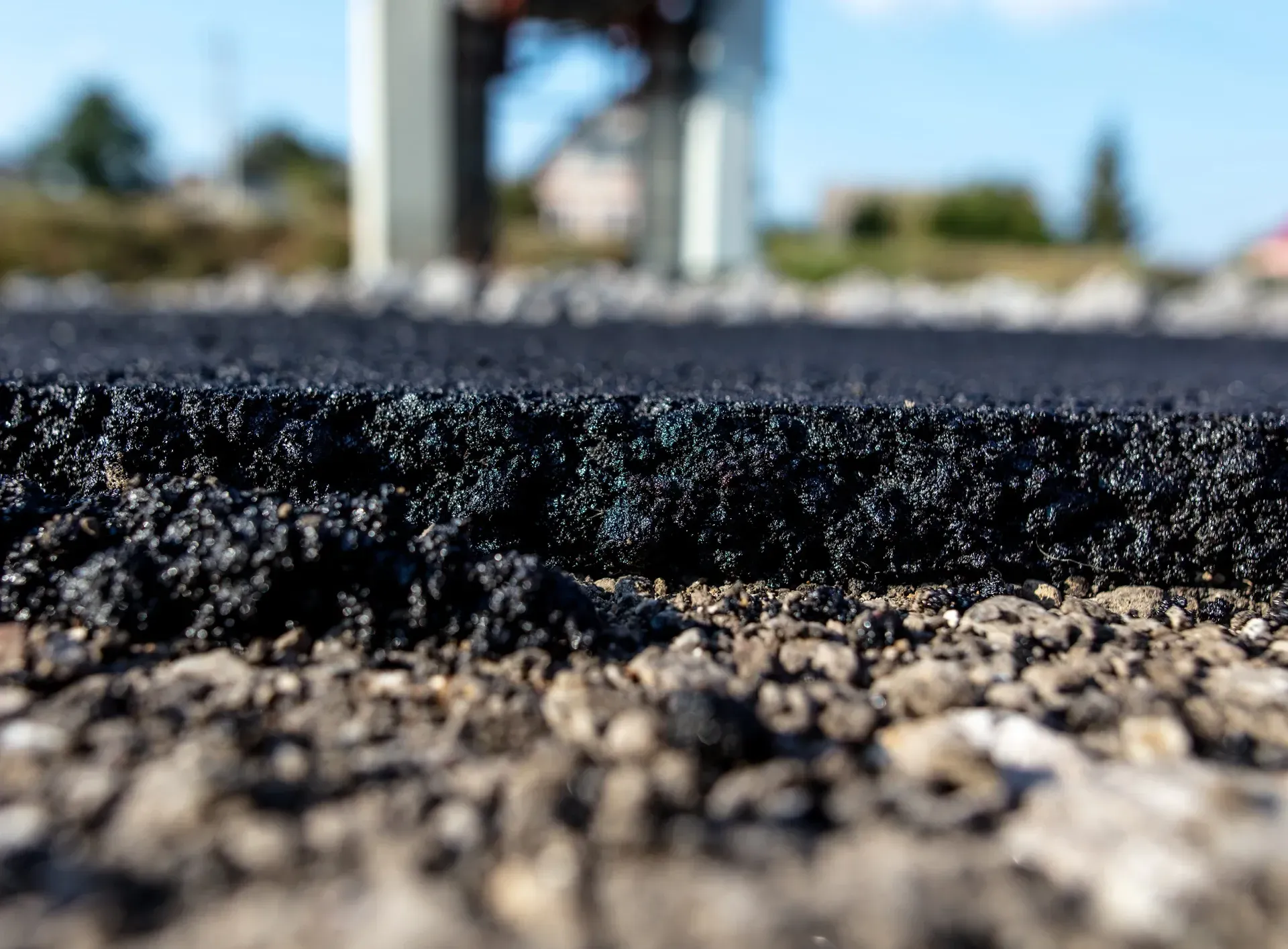

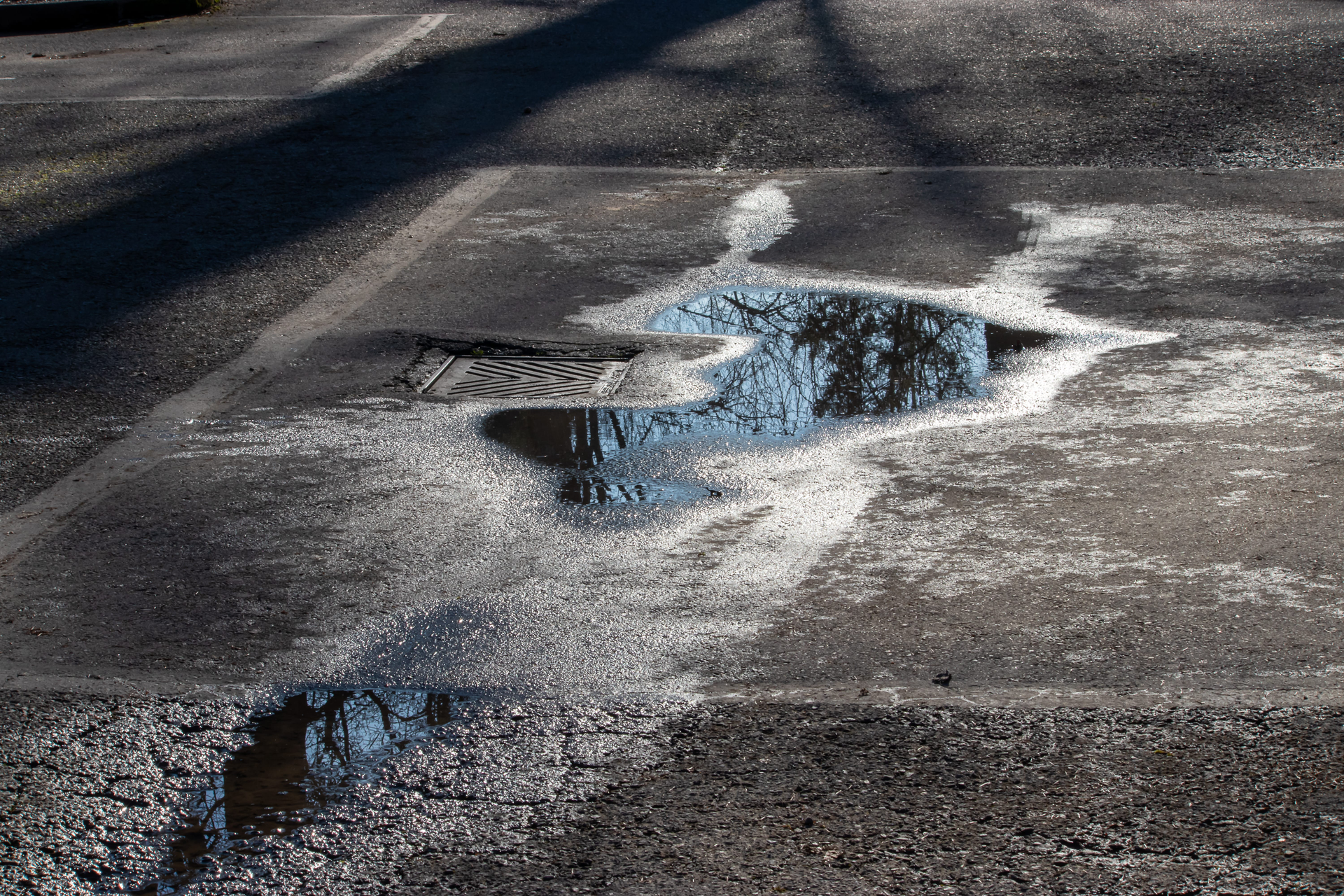
Access Built for Real Property Use

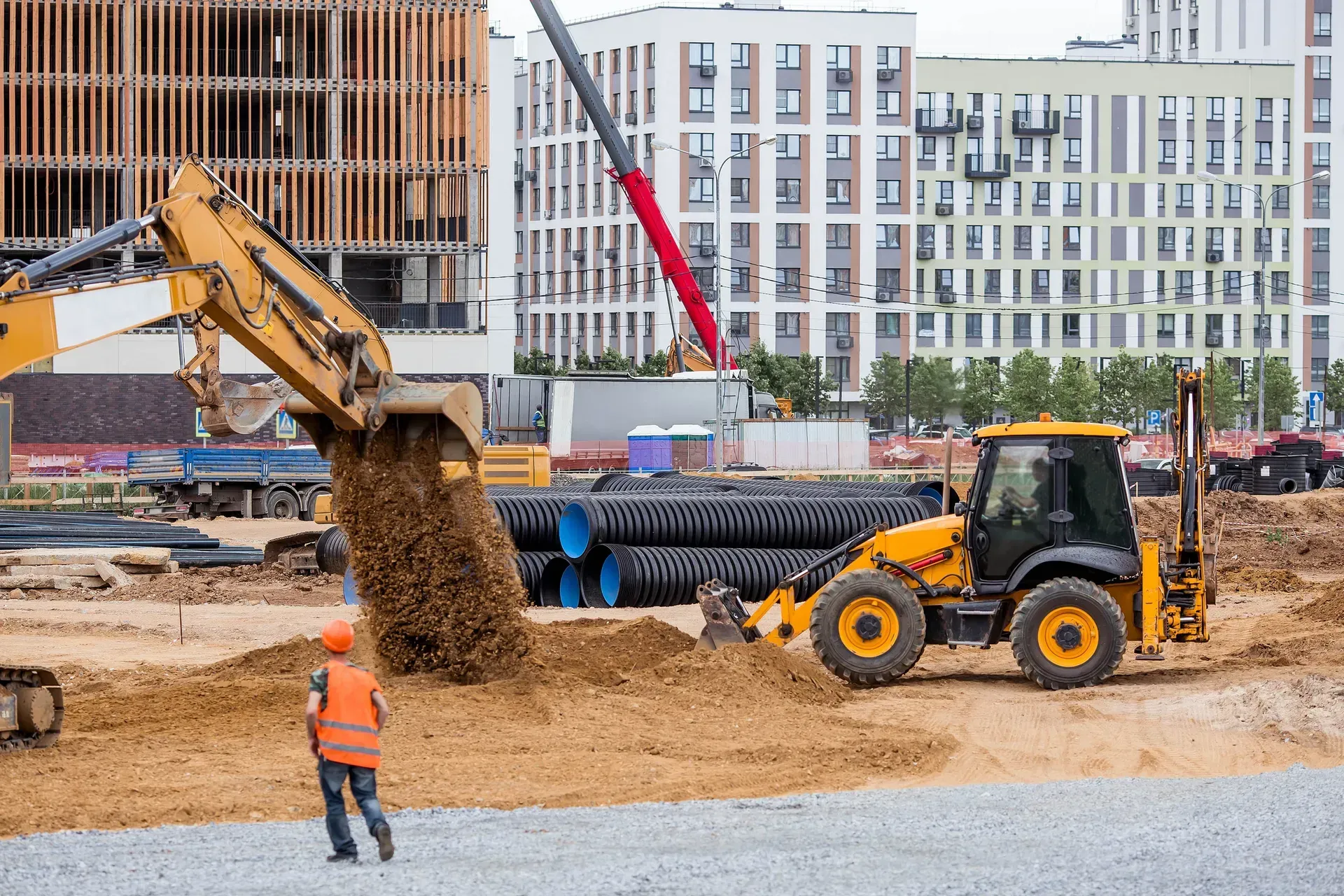
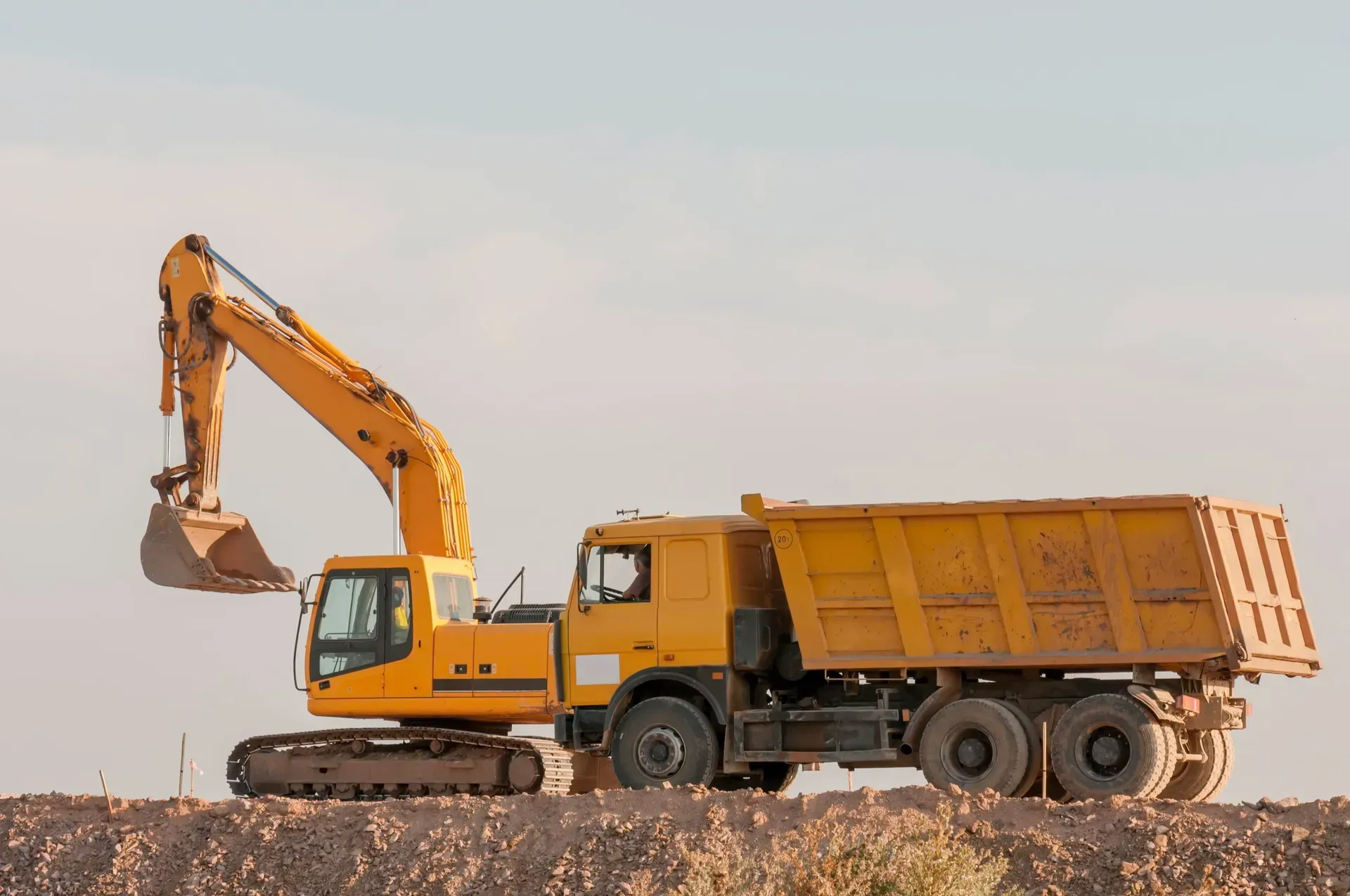
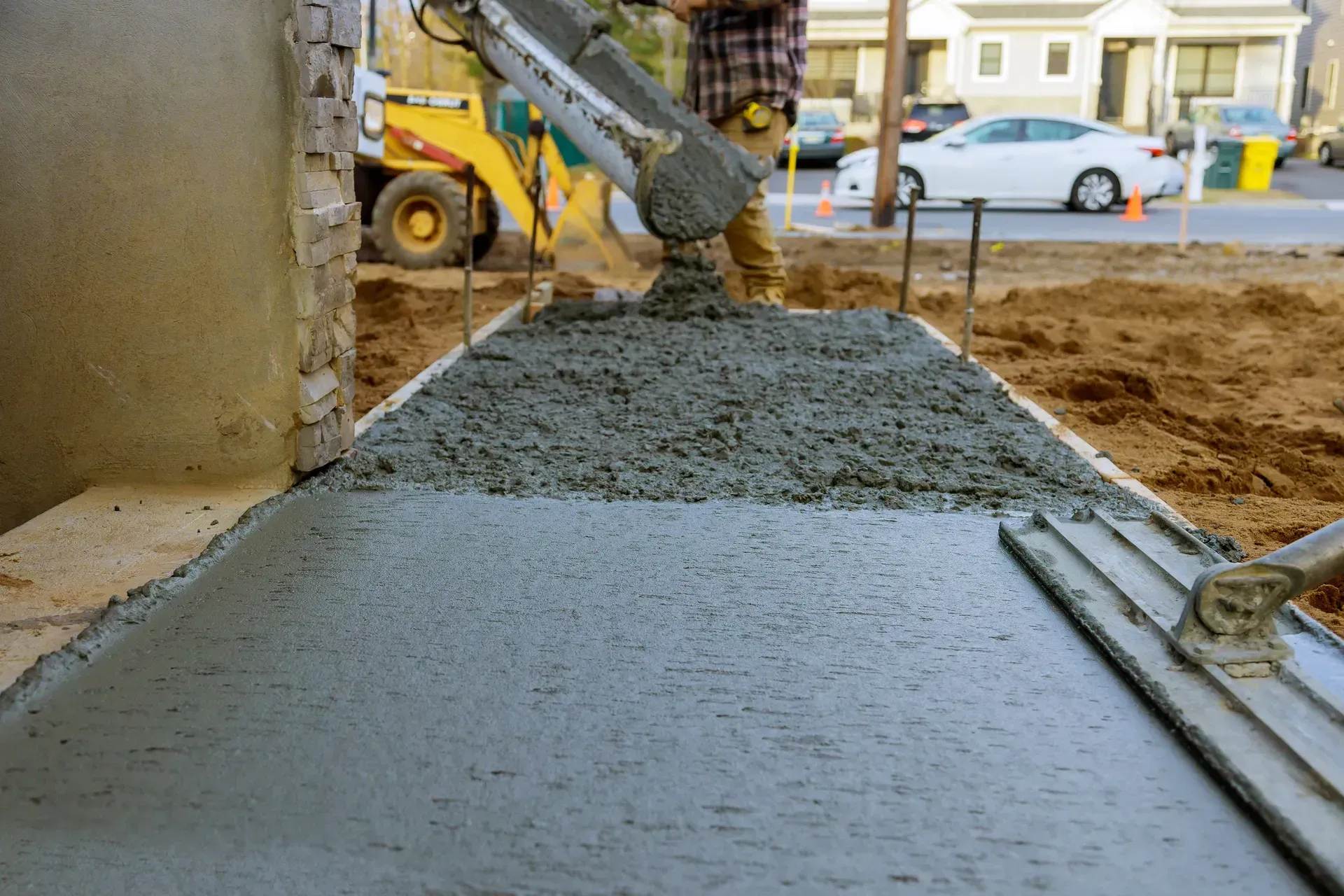
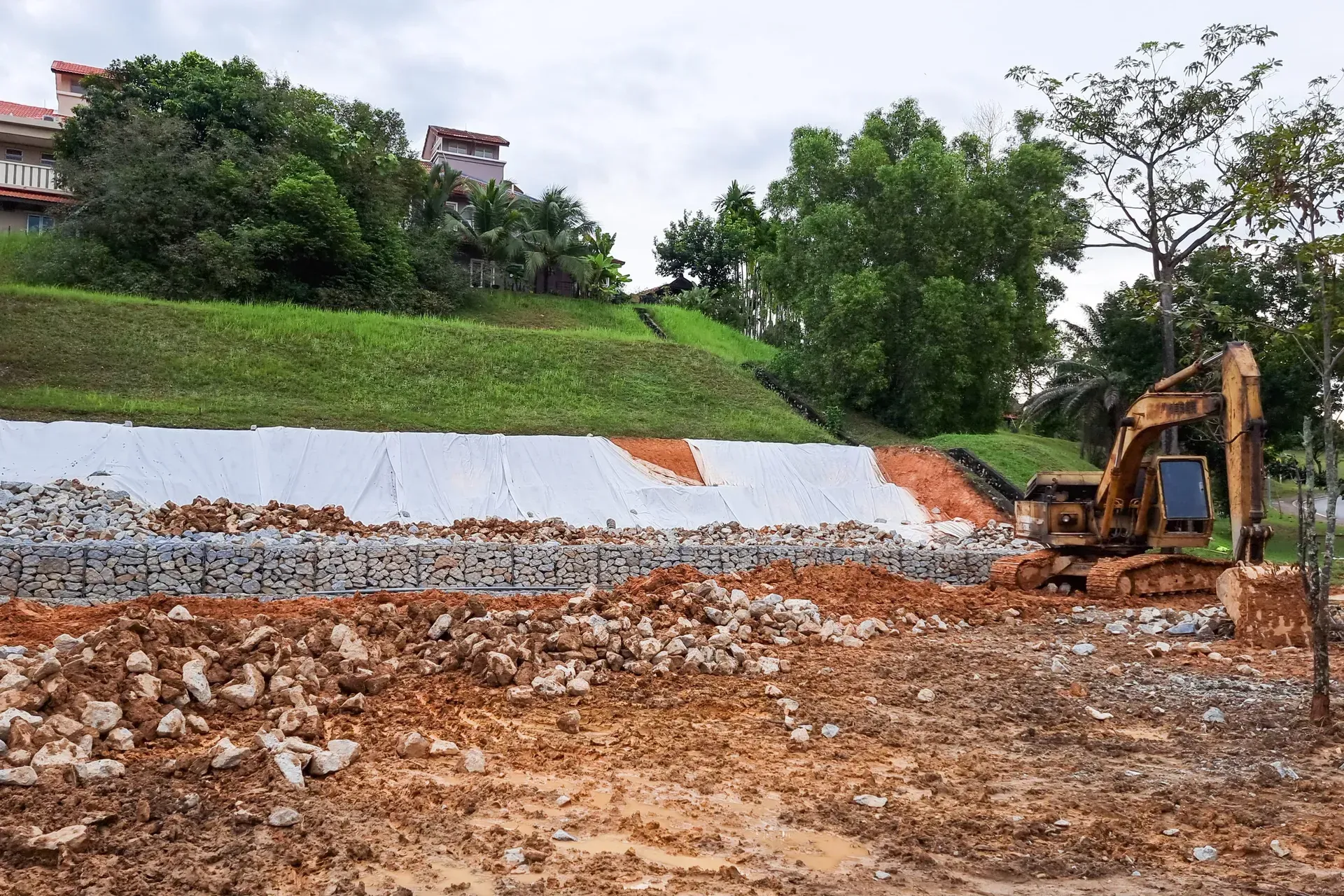
RCR Construction builds and improves driveways, private roads, access roads, construction entrances, culverts, gravel surfaces, concrete driveways, asphalt driveways, and rock access around Rogers and Northwest Arkansas.


The right access route needs proper grading, drainage, base material, and surface planning so it can handle vehicles, equipment, weather, and daily use.


Driveways and Roads Planned From the Ground Up

Gravel, concrete, and asphalt driveway work

Private roads, farm roads, access roads, and construction entrances

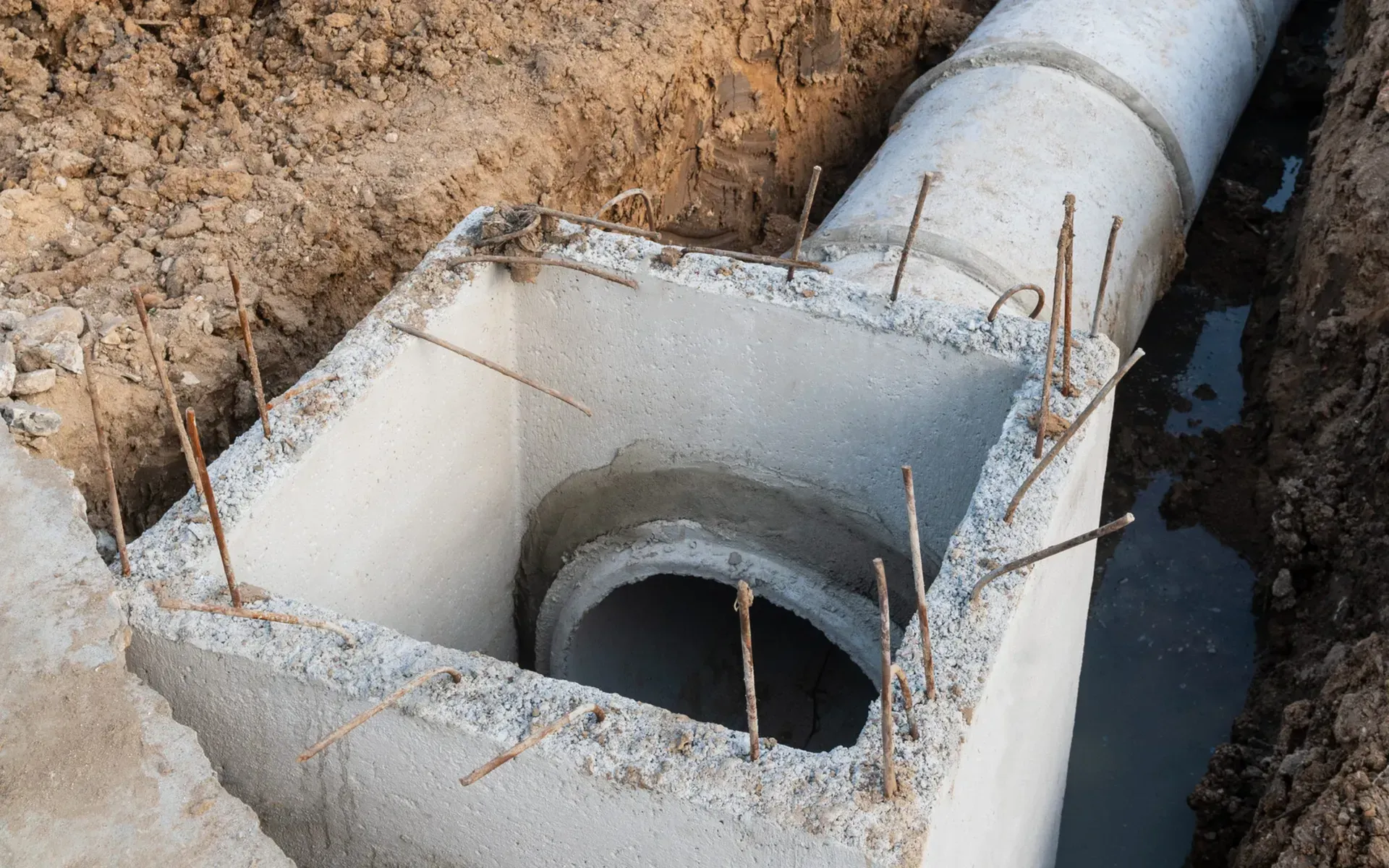
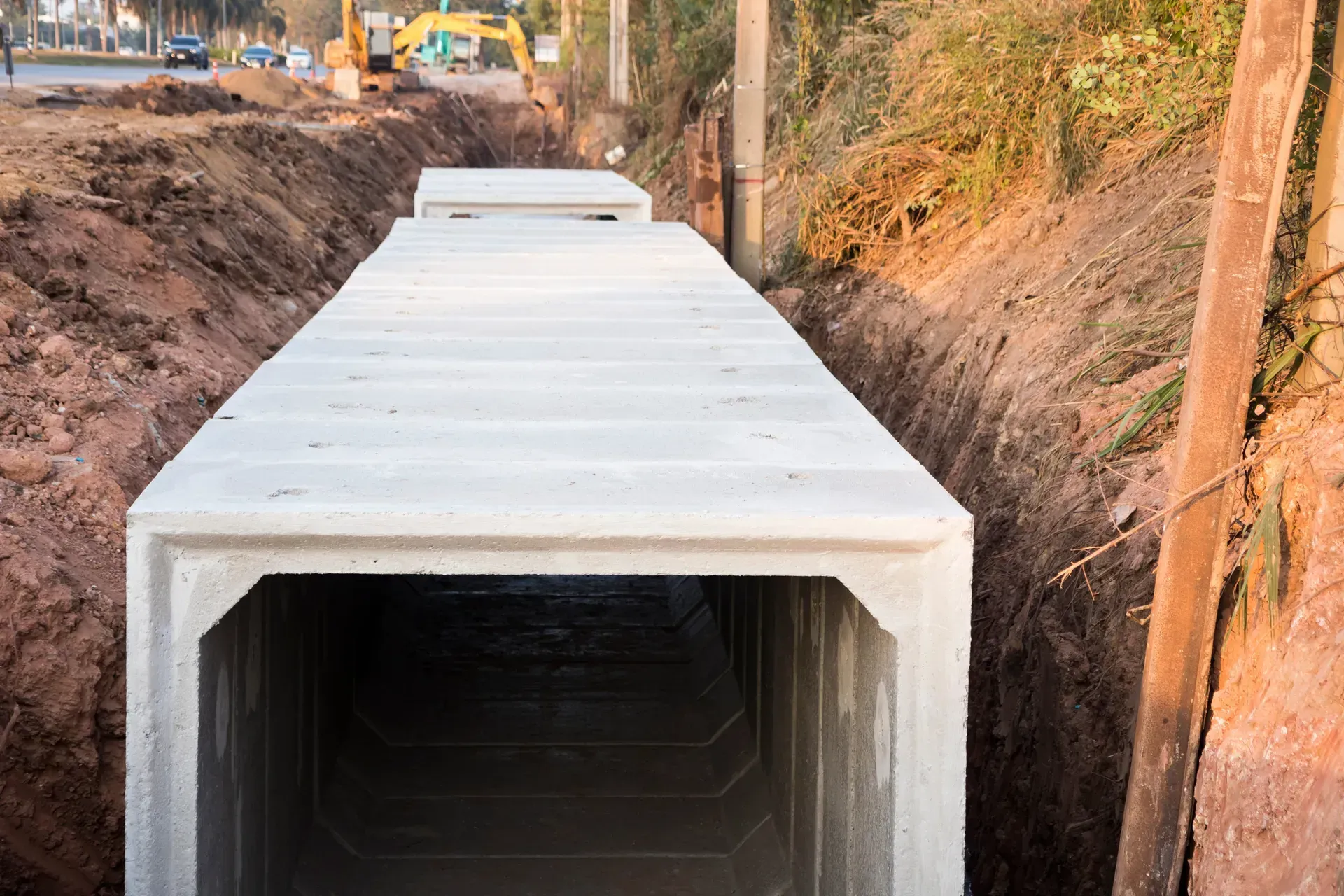
Culverts, roadside ditching, drainage correction, and water-flow planning

Base prep, rock spreading, resurfacing, widening, and compaction

Residential, rural, commercial, and builder access support

Request a Driveway, Road or Access Quote

Tell us what kind of access you need, where the property is located, and whether the project involves gravel, concrete, asphalt, culverts, drainage, grading, or road repair.

Driveways, Roads, and Access Routes That Start With Proper Prep

A driveway or road is only as good as the base, drainage, grade, and material underneath it. Whether the finished surface is gravel, concrete, asphalt, or a mixed access route, the work needs to be planned around traffic, water flow, slope, soil, and long-term use.


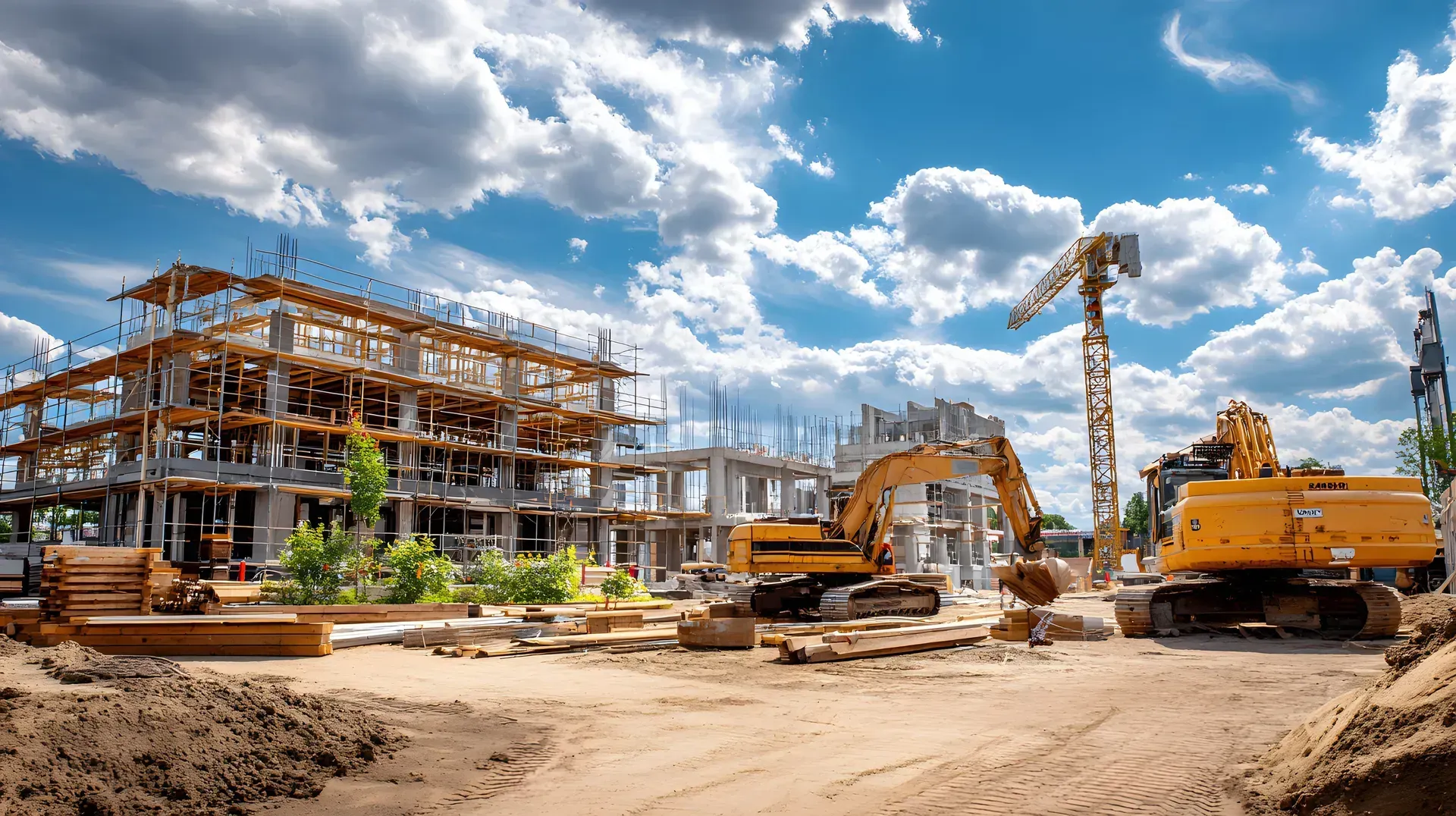
RCR Construction provides driveway, road, and property access work for homes, rural land, farms, shops, garages, barns, metal buildings, commercial properties, and construction sites around Rogers and Northwest Arkansas.


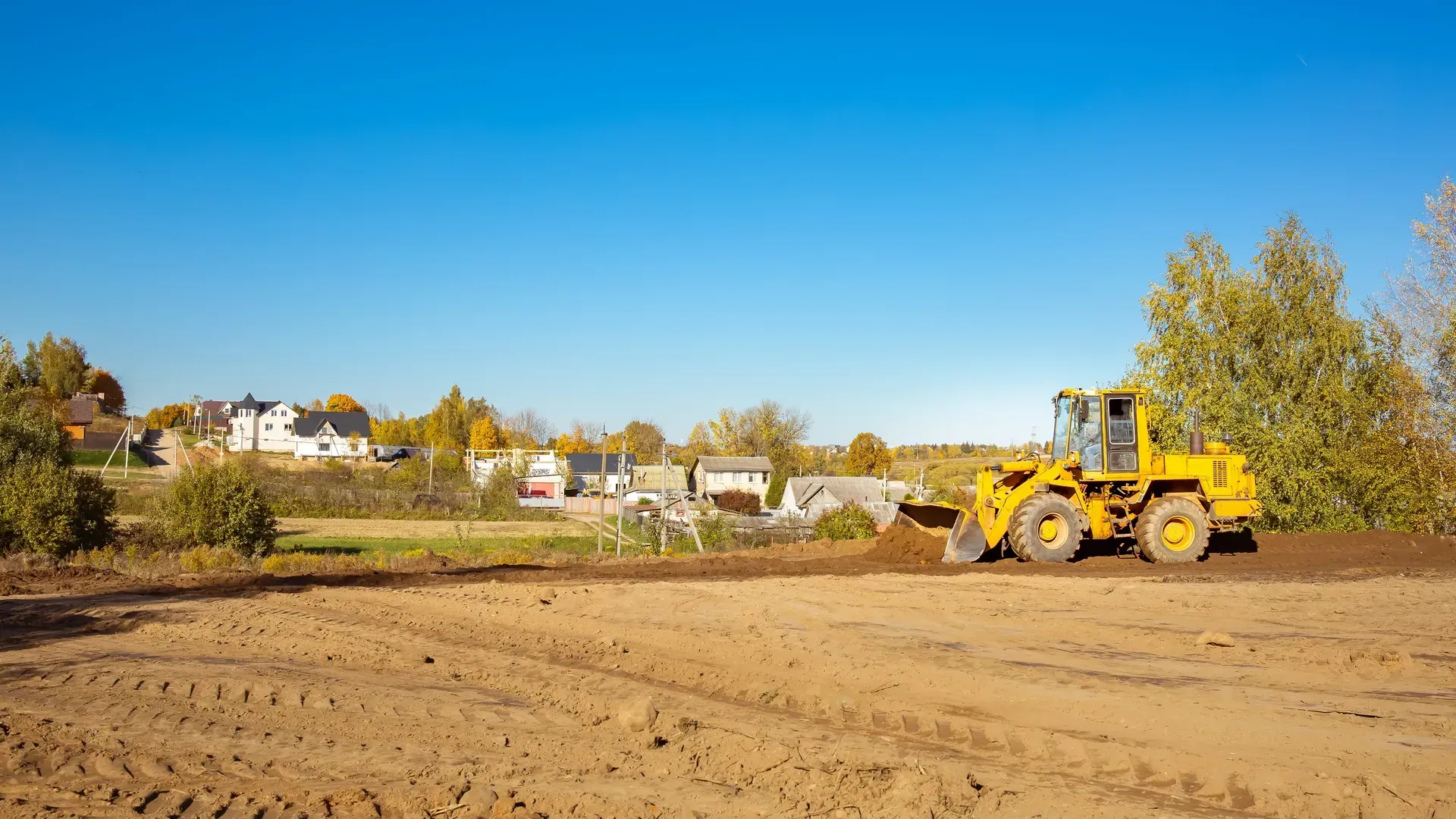
The project may include grading, excavation, culverts, drainage correction, base rock, gravel, concrete, asphalt, compaction, widening, resurfacing, or full access creation from raw land to usable route.

When Access Becomes a Daily Problem

Bad access can make a property harder to use, harder to build on, and harder to maintain. A driveway or road that keeps washing out, holding water, rutting, or breaking down usually needs more than another thin layer of material.


Driveway, road, and access work can help solve problems like:

Muddy, soft, rutted, or washed-out driveways

Gravel that keeps spreading, sinking, or disappearing after rain

Concrete or asphalt surfaces failing because of poor base or drainage

Access routes that are too narrow, too steep, too rough, or poorly shaped

Water crossing the driveway instead of moving through a culvert or ditch

New construction sites that need an entrance or equipment access

Rural properties that need private roads, farm roads, or access to building areas

Commercial properties that need parking, access, base prep, or surface improvements

Good access starts below the surface with grading, drainage, base, and material planning.
Signs Your Driveway or Access Route Needs Work

Some access problems are obvious after one heavy rain. Others build slowly over time as traffic, water, and poor base conditions break the surface down.


You may need driveway, road, or access work if:

Your driveway washes out after storms
Vehicles are rutting, sinking, slipping, or scraping
Water runs across the driveway instead of under or around it
Gravel needs constant replacement but the problem keeps coming back
Concrete or asphalt is cracking, failing, or settling from poor base conditions
You need new access to a shop, house, barn, garage, metal building, field, or jobsite
A private road, farm road, or construction entrance needs grading or resurfacing
The property needs culverts, ditching, base rock, compaction, concrete, asphalt, or drainage correction
If the access route is not holding up, the solution usually needs to start with the grade and base.
Driveway and Road Problems Usually Start With Water and Base

The surface is what you see, but water and base material usually decide how well the access route performs. If water sits on the road, runs across the driveway, cuts the edges, or saturates the base, gravel can wash out, asphalt can fail, concrete can settle, and ruts can keep coming back.


A good access project should consider grade, crown, slope, ditches, culverts, base depth, compaction, surface material, and how the route will be used. A light residential driveway does not need the same plan as a farm road, construction entrance, commercial access, or heavy-use parking approach.


RCR Construction can help plan and build access with gravel, concrete, asphalt, rock work, culverts, excavation, grading, drainage, base prep, hauling, and compaction connected into the same project when needed.

Step 4

Step 3

The project may involve clearing, excavation, base work, culverts, concrete, asphalt, hauling, or sequencing several pieces correctly.

You get a clearer understanding of what work is included and what needs to happen before the next phase.

Our Process

How the Driveway, Road & Access Process Works
RCR Construction approaches access work by looking at the route, the water flow, the base, and the finished surface together.

Step 1

Send the property location, what route needs built or repaired, surface preference, photos, access concerns, and any drainage or culvert issues.

Step 2

RCR considers slope, water movement, traffic type, soil conditions, existing material, and whether the project needs gravel, concrete, asphalt, culverts, or base correction.

Step 3

The work may include excavation, grading, ditching, culvert installation, base prep, rock spreading, compaction, concrete, asphalt, widening, resurfacing, or full access creation.

Step 4

The site is shaped so the access route can drain, support traffic, and receive the proper surface material.

Step 5

Depending on the project, RCR can help with gravel, concrete, asphalt, or rock access surfaces planned around the property’s use.

Step 6

The goal is a cleaner, stronger, more usable access route that supports the property instead of creating repeated problems.

Related Project Options

Access Work Often Connects to a Larger Project
Driveways and roads often need to be planned alongside clearing, grading, drainage, pads, concrete, asphalt, and construction prep.
Full Project Management
For larger property projects that may include clearing, excavation, grading, drainage, access roads, driveways, pads, concrete, asphalt, hauling, and cleanup.
Building a Shop, House, Garage, Barn, or Metal Building
For projects that need access before and after the build, including driveways, construction entrances, culverts, grading, drainage, concrete, asphalt, and pad work.
Fixing Drainage & Water Problems
For driveways, roads, and access routes damaged by standing water, runoff, culvert problems, ditches, washouts, or poor slope.

Related Services

Services That Commonly Connect to Driveways, Roads & Access
Access work is usually stronger when the related site needs are handled correctly.
Grading & Leveling
Driveway grading, road shaping, slope correction, finish grading, and surface preparation.
Drainage, Culverts & Stormwater
Culverts, ditches, swales, drainage pipe, runoff correction, and water-flow planning around access routes.
Excavation & Site Prep
Cut/fill, ditching, road excavation, driveway excavation, trenching, site shaping, and access prep.
Hauling & Materials
Rock, gravel, dirt, base material, debris removal, material delivery, spreading, placement, and cleanup.
Building Pads & Concrete Prep
Pad access, concrete driveways, asphalt approaches, base prep, compaction, and surface support for structures.
Erosion Control & Retaining Walls
Slope stabilization, washout repair, retaining wall support, runoff control, and edge protection near access routes.
A Better Access Route Starts Below the Surface

A driveway, road, or access route can look finished on day one and still fail if the water, grade, base, and surface were not planned correctly. Repeated gravel top-dressing may hide the issue for a while, but it does not fix poor drainage or weak base.


RCR Construction focuses access work around the conditions that affect performance:

How vehicles, equipment, trailers, or daily traffic will use the route
Where water moves during rain and how it should be redirected
Whether culverts, ditches, swales, or slope correction are needed
What base material and compaction are appropriate for the surface
Whether gravel, concrete, asphalt, or a combination fits the property
How the route connects to pads, parking areas, buildings, roads, and cleanup
That helps create access that is built around real use, not just a quick surface fix.

Why Choose Us?

Why Choose RCR Construction for Driveways, Roads & Access?
Surface Options Built on Better Prep
RCR can help with gravel, concrete, and asphalt access surfaces, with the grading, base, compaction, and drainage planning needed beneath them.
Drainage-Focused Access Work
Driveways and roads fail quickly when water is ignored. RCR considers culverts, ditches, slope, runoff, and water flow as part of the access plan.
Support for New and Existing Routes
Whether you need new access across raw land or an existing driveway rebuilt, widened, resurfaced, or corrected, the work can be planned around the property.
Full Dirt Work Capability
Access often connects to land clearing, excavation, grading, drainage, hauling, building pads, concrete, asphalt, erosion control, and full site prep.
Useful for Homes, Rural Land, Builders, and Commercial Sites
RCR can help with residential driveways, rural roads, farm access, construction entrances, commercial parking access, shop sites, and building projects.

Avoca

Tontitown

Avoca

Avoca

Springdale

Cave Springs

Rogers

Fayetteville

Rogers

Lowell

Avoca

Garfield

Elm Springs

Johnson

Fayetteville

Prairie Grove

Bella Vista

Gateway

Rogers

Bentonville

Driveways, Roads & Access Around Rogers and Northwest Arkansas

RCR Construction provides driveway, road, and property access work in Rogers and nearby Northwest Arkansas communities within roughly 40 miles, depending on project scope, access, site conditions, and scheduling.


Service areas include:

Rogers

Bentonville

Springdale

Fayetteville

Lowell

Cave Springs

Centerton

Little Flock

Bella Vista

Pea Ridge

Avoca

Garfield

Gateway

Prairie Creek

Highfill

Elm Springs

Tontitown

Johnson

Farmington

Prairie Grove

Goshen

Elkins

Siloam Springs

Gentry

Decatur

Gravette

Sulphur Springs

Eureka Springs

Huntsville

Nearby cross-border areas may also be considered by project fit, including West Siloam Springs, Watts, Pineville, Jane, Noel, Anderson, and Goodman.

Blogs

Helpful Driveway, Road & Access Planning Guides
These articles can help you understand why driveways and access routes fail, and what to consider before building or rebuilding one.
May 22, 2026
A Washed-Out Driveway Is Usually a Water Problem First When a driveway washes out, the first thought is often to add more gravel, patch the rut, or smooth the surface. That may help temporarily, but if water is still crossing the driveway, saturating the base, or cutting the edges, the same damage can come back after the next heavy rain. For property owners around Rogers and Northwest Arkansas, driveway washouts are common on sloped land, rural properties, long access routes, gravel roads, construction entrances, and driveways without proper culverts or ditching. The surface damage is easy to see. The drainage issue underneath is what usually needs to be understood before the driveway can hold up better. Driveway Washouts Happen When Water Has the Wrong Path A driveway is supposed to provide access. Water is supposed to move away from that access. When those two paths conflict, the driveway often loses. Driveway washouts can happen when water: Runs across the driveway instead of under it Flows down the tire paths Collects in low spots Saturates the base material Cuts the driveway edges Overflows a clogged or undersized culvert Escapes a ditch or swale Runs too fast down a steep route Has no stable outlet The driveway surface may be gravel, concrete, asphalt, or a mix of materials. The cause is often the same: water is not being controlled before it reaches or crosses the access route. Repeated Washouts Can Damage the Whole Access Route A washout is not only a surface problem. Over time, repeated runoff can remove base material, create ruts, soften the subgrade, expose rocks, damage edges, and make the driveway harder to maintain. Repeated driveway washouts may lead to: Gravel loss after every rain Deep ruts or channels in the driveway Muddy or soft access areas Potholes and uneven surface conditions Erosion along the driveway edges Culvert overflow or ditch failure Concrete or asphalt edge damage Difficult access for trucks, trailers, equipment, or daily vehicles If the driveway is also needed for a shop, house, garage, barn, metal building, commercial property, or construction site, poor access can affect the entire project. Why the Driveway Keeps Washing Out Driveway washouts often come from one or more drainage issues working together. Water is crossing the driveway If runoff crosses over the driveway surface, it can carry gravel and base material with it. A culvert, ditch, or grading correction may be needed to move water under or around the route. The driveway is too flat in the wrong places Flat areas can hold water, especially if the surface has settled or the base is weak. Standing water can soften the driveway and create ruts. The driveway is too steep without water control Steep routes can send water downhill with enough force to cut channels into gravel, shoulders, and ditches. The ditches are not working Ditches may be too shallow, clogged, eroded, or graded the wrong direction. When ditches fail, water often finds the driveway instead. The culvert is missing, clogged, crushed, or undersized A culvert only works if water can enter, pass through, and exit properly. If it cannot, water may back up and cross the driveway. The base is too weak or saturated If water gets into the base and cannot drain, the driveway may rut, pump, settle, or lose material under traffic. The edges are not protected Water running along the edge can cut away support and cause the driveway to narrow, crumble, or collapse at the sides. Common Mistakes When Fixing Driveway Washouts Driveway washouts often return when the repair focuses only on replacing lost material. Common mistakes include: Adding gravel without correcting runoff Filling ruts without reshaping the grade Ignoring water flowing across the driveway Installing a culvert without checking the inlet and outlet Leaving ditches clogged or too shallow Building the driveway flat with no crown or drainage slope Patching asphalt or concrete before base and drainage issues are fixed Ignoring soft ground under the surface Treating the washout as a one-time storm issue instead of a drainage pattern A better repair looks at why the water damaged the driveway in the first place. A Practical Way to Approach a Driveway Washout Before repairing the surface, it helps to understand the water path. Step 1: Watch where the water comes from Identify where water crosses, collects, flows downhill, or cuts into the surface. Step 2: Check the ditches and edges See whether water has a clear route beside the driveway or whether it is using the driveway as the drainage path. Step 3: Inspect any culverts Look for blockages, crushed sections, poor alignment, erosion at the outlet, or water backing up at the inlet. Step 4: Review the grade The driveway may need reshaping, crowning, slope correction, or low-spot correction before new material is added. Step 5: Evaluate the base Soft, saturated, or unstable areas may need excavation, base correction, rock, compaction, or drainage work. Step 6: Choose the repair or surface after drainage is addressed Gravel, asphalt, and concrete can all perform better when the drainage and base are corrected first. This approach helps the driveway repair become more than a temporary patch.
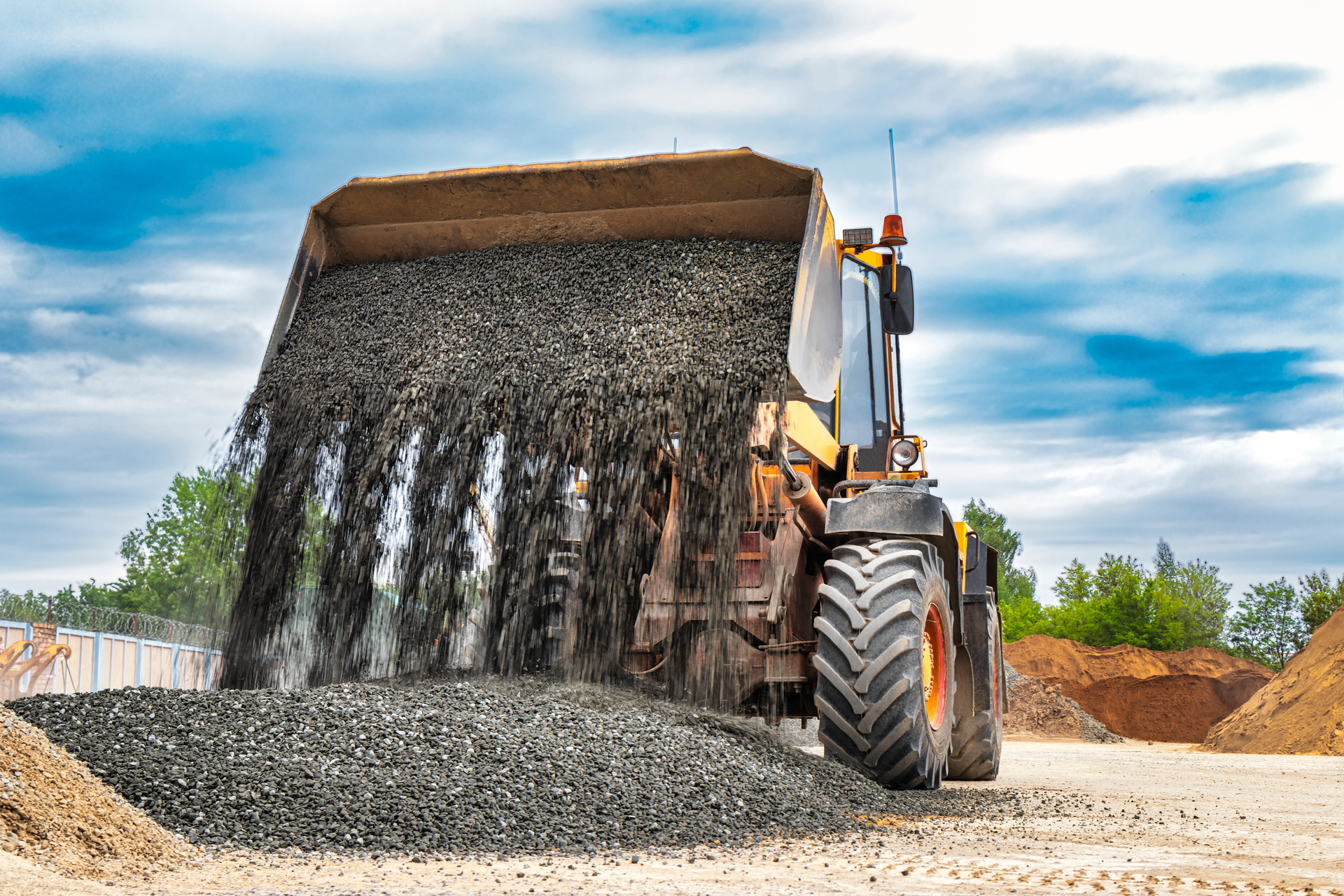
May 22, 2026
A Driveway Is Only as Strong as What Supports It A driveway can look finished on the surface and still fail early if the grade, drainage, base, or compaction underneath it is wrong. This is true for gravel, asphalt, and concrete driveways. For property owners around Rogers and Northwest Arkansas, driveways often have to deal with rain, slope, runoff, clay or soft ground, construction traffic, rural access, and regular vehicle use. Those conditions can expose problems quickly when the driveway is not prepared correctly. The surface material matters, but the work underneath the surface usually decides how well the driveway holds up over time. Driveway Performance Comes From the Whole System A driveway is more than gravel, asphalt, or concrete. It is a system made up of the route, subgrade, base, drainage, slope, surface, edges, and traffic load. A stronger driveway plan may involve: Clearing the access route Excavating soft or unsuitable material Shaping the route with proper grade Correcting runoff before surface work Installing or replacing culverts where water crosses Building a stable base layer Compacting material properly Choosing the right surface for the use Managing edges, ditches, and outlets Planning for future maintenance Gravel, asphalt, and concrete each perform differently, but all three need the same basic support: a stable base and a way for water to move away. Most Driveway Problems Start Below the Surface When a driveway keeps rutting, cracking, washing out, settling, or holding water, the issue is often not just the top layer. The visible problem may be a symptom of poor drainage, weak base, bad grade, soft subgrade, or water crossing the route. Common driveway failures include: Gravel washing away after rain Ruts forming where tires travel Potholes or soft spots developing Asphalt cracking, rutting, or breaking apart Concrete settling, cracking, or holding water Edges eroding or breaking down Water crossing the driveway instead of moving under or beside it Adding more material may help temporarily, but if the base or drainage issue remains, the problem can come back. What Helps a Driveway Last Longer? Several parts of the driveway plan affect long-term performance. Proper drainage Water is one of the biggest threats to any driveway. Runoff should not sit on the surface, cross uncontrolled, saturate the base, or cut the edges. Ditches, swales, culverts, slope, and outlets may all matter. A stable base The base supports the surface. Gravel, asphalt, and concrete all need a prepared foundation that matches the soil, traffic, and intended use. Correct grading The driveway should be shaped so water moves off or away from it. Gravel drives may need crown or slope. Asphalt and concrete need slope that moves water without creating unsafe or low areas. Good compaction Loose or poorly compacted material can settle, rut, or shift. Compaction helps the base and surface perform better under traffic. Suitable material choice Gravel, asphalt, and concrete each have strengths. Gravel can be practical for rural access and long drives. Asphalt can provide a smoother flexible surface. Concrete can work well for durable approaches, slabs, and finished drive areas. The best option depends on budget, use, site conditions, and maintenance expectations. The right route and width A driveway route should account for turning, equipment, trailers, drainage crossings, slopes, and future access needs. A route that is too steep, narrow, or poorly placed can create ongoing problems. Common Driveway Planning Mistakes Driveway issues often happen when the finished surface is planned before the site conditions are understood. Common mistakes include: Adding gravel without fixing the drainage problem Installing asphalt over a weak or saturated base Pouring concrete where water still collects Skipping culverts where runoff crosses the route Grading the driveway flat instead of shaping it to shed water Using too little base material for the traffic load Ignoring soft spots before the surface goes in Forgetting that construction traffic may require stronger access than regular daily use Letting driveway edges wash away without stabilizing water flow A driveway should be planned around water, base, traffic, and future use before the final surface is installed. A Practical Way to Plan a Stronger Driveway Before building, rebuilding, or resurfacing a driveway, it helps to review the route as a whole. Step 1: Watch where the water comes from Watch where runoff crosses the driveway, where water collects, and where ditches, swales, or culverts may be needed. Step 2: Check the existing base or soil Soft, muddy, loose, or unstable areas may need excavation, base correction, or compaction before surface work. Step 3: Decide how the driveway will be used Daily residential use, rural equipment, trailers, construction traffic, commercial access, and heavy trucks may require different prep. Step 4: Choose the surface after reviewing the site Gravel, asphalt, and concrete can all work well when they are matched to the property and prepared correctly. Step 5: Plan drainage before the finished surface Culverts, ditches, grading, and outlets should usually be addressed before new gravel, asphalt, or concrete is installed. Step 6: Include hauling, spreading, and cleanup Material delivery, base rock, spoils removal, grading, and final cleanup should be part of the plan. This helps the driveway function as access, not just as a surface.

FAQs

Driveway, Road & Access Questions
  • Does RCR Construction build gravel, concrete, and asphalt driveways?

    Yes. RCR Construction can help with gravel, concrete, and asphalt driveway work, along with the grading, drainage, base prep, compaction, culverts, and site preparation that support the finished surface.

  • Why does my gravel driveway keep washing out?

    Driveway washouts are often caused by poor drainage, improper slope, weak base, missing culverts, shallow ditches, or water running across the surface. Adding more gravel may not fix the issue unless the water and base problems are addressed.

  • Can RCR install or replace culverts for driveways and access roads?

    Yes. Culverts, ditches, drainage routes, roadside grading, and runoff correction can be part of driveway, road, and access work when the property needs better water flow.

  • Can RCR create new access to raw land or a future building site?

    Yes. RCR can help clear, excavate, grade, build, and surface access routes for raw land, shop sites, home sites, barns, garages, metal buildings, commercial areas, and construction entrances.

  • What should I send for a driveway or access quote?

    Send the property location, photos, whether the route is new or existing, the surface type you are considering, drainage concerns, approximate length or area, and whether culverts, grading, concrete, asphalt, or gravel are needed.

  • Does RCR provide driveway and access work outside Rogers?

    RCR Construction serves Rogers and nearby Northwest Arkansas communities including Bentonville, Springdale, Fayetteville, Lowell, Cave Springs, Centerton, Bella Vista, Pea Ridge, Siloam Springs, and surrounding areas depending on project fit.

Ready for Better Access?
Build or improve the driveway, road, entrance, or access route your property needs.
Plan the surface around drainage, base, grade, traffic, and long-term use.
Send the project details and RCR Construction will help you move forward.

Contact Us

Request Your Driveway, Road or Access Quote
Share the property location, what route needs built or improved, and whether you are considering gravel, concrete, asphalt, culverts, grading, drainage, or base prep. RCR Construction can review the details and help you plan the right scope.