Commercial Site Prep: What Happens Before the Surface Goes In?
Commercial Surfaces Need More Than a Finished Top Layer
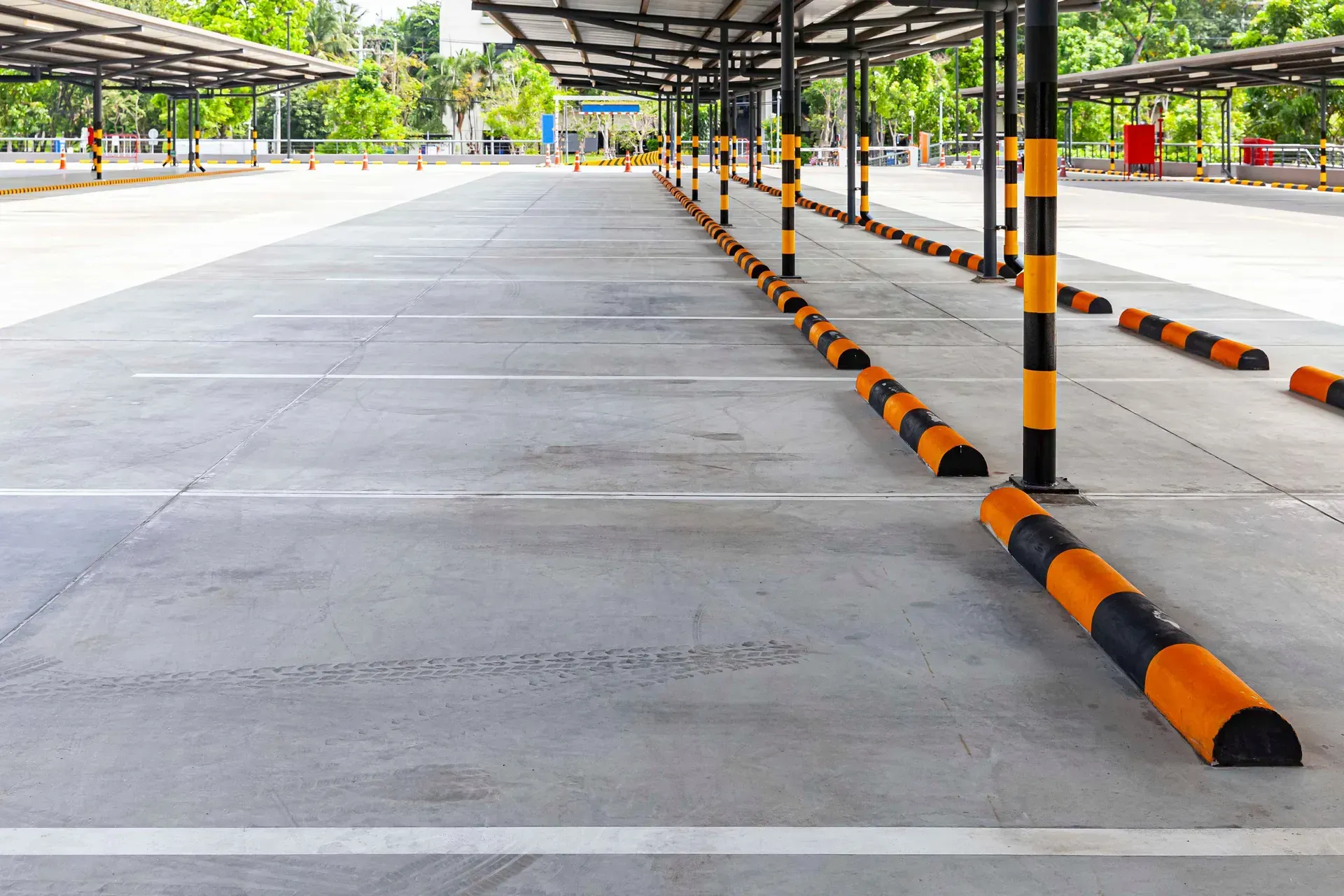
Before a commercial parking area, drive lane, concrete surface, asphalt surface, gravel lot, or commercial pad is finished, the site has to be prepared underneath. The finished surface is only one part of the project.
For commercial properties around Rogers and Northwest Arkansas, site prep may need to account for traffic, drainage, access, base material, demolition, old surfaces, grading, compaction, hauling, and stormwater movement before concrete, asphalt, or gravel goes in.
Good commercial prep helps the finished area support daily use instead of breaking down because the site underneath was not ready.
Commercial Site Prep Is the Work Below and Around the Surface
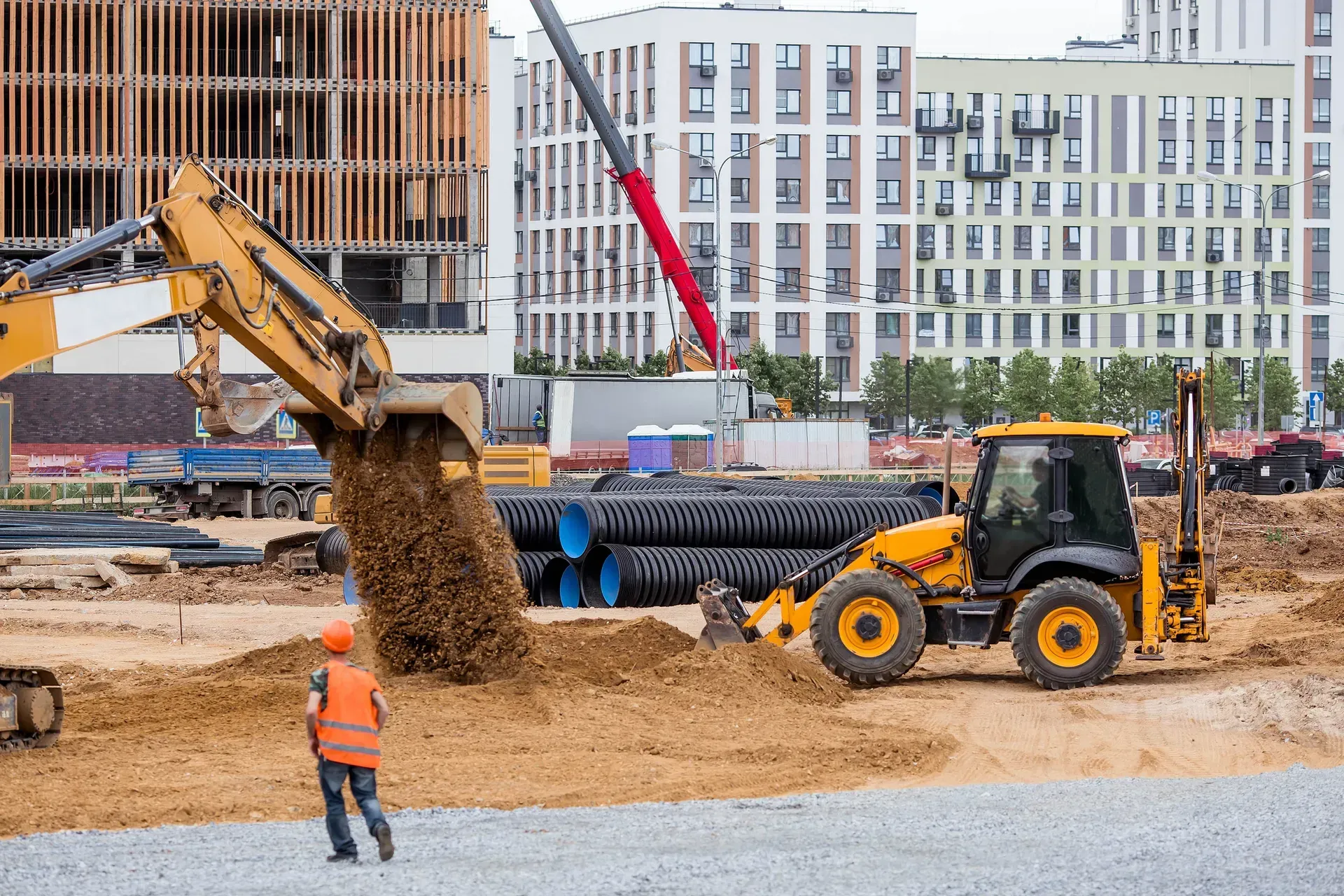
Commercial site prep is the dirt work, grading, drainage, base prep, and cleanup that gets a property ready for a finished surface or next construction phase.
Depending on the property, commercial site prep may include:
- Clearing brush, debris, or unusable material
- Demolition, tear-out, concrete removal, or asphalt removal
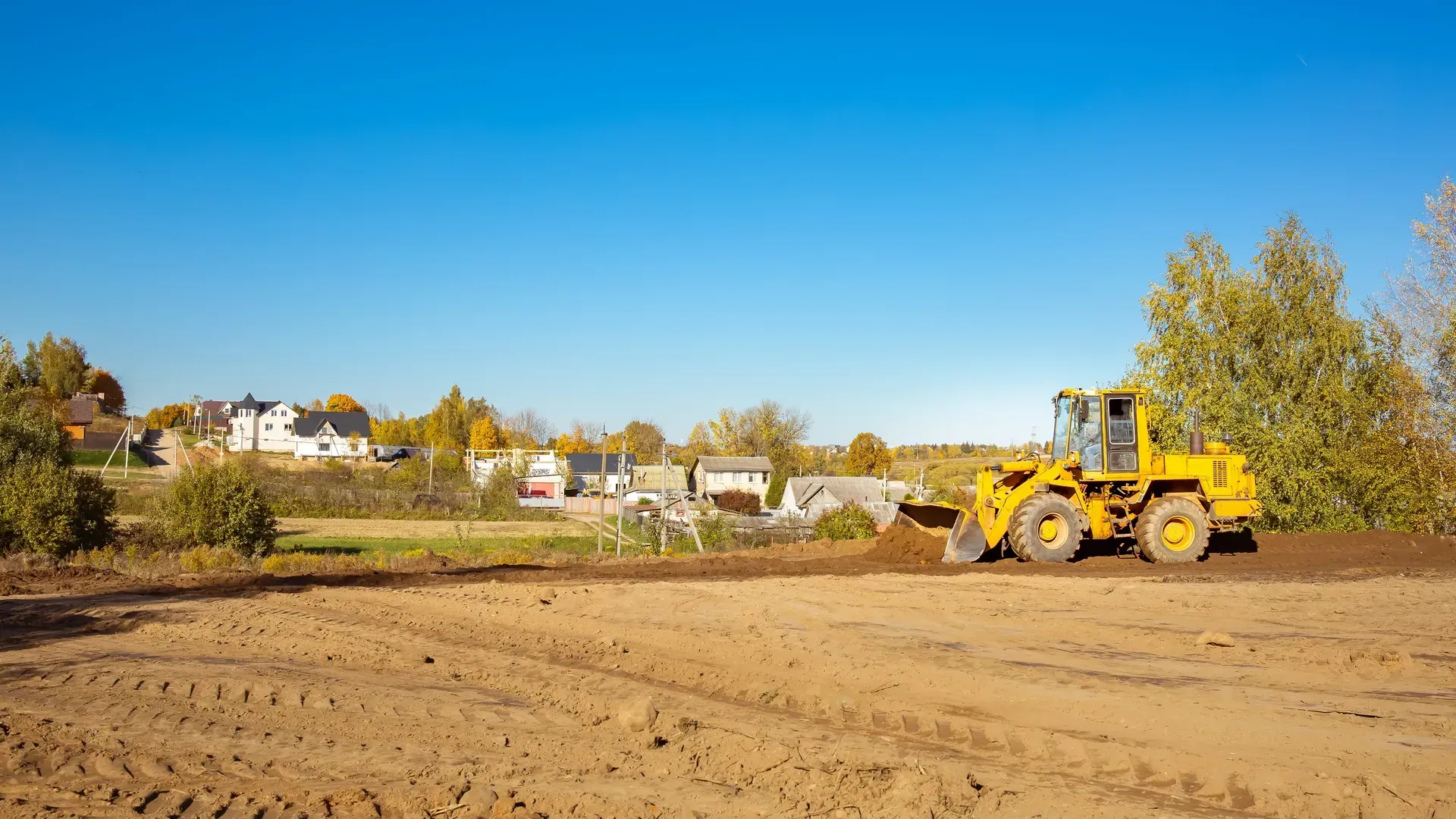
- Excavation, cut/fill, and site shaping
- Commercial grading and slope correction
- Drainage planning, culverts, ditches, swales, or stormwater paths
- Subgrade correction and base material placement
- Compaction for parking areas, drive lanes, pads, and surfaces
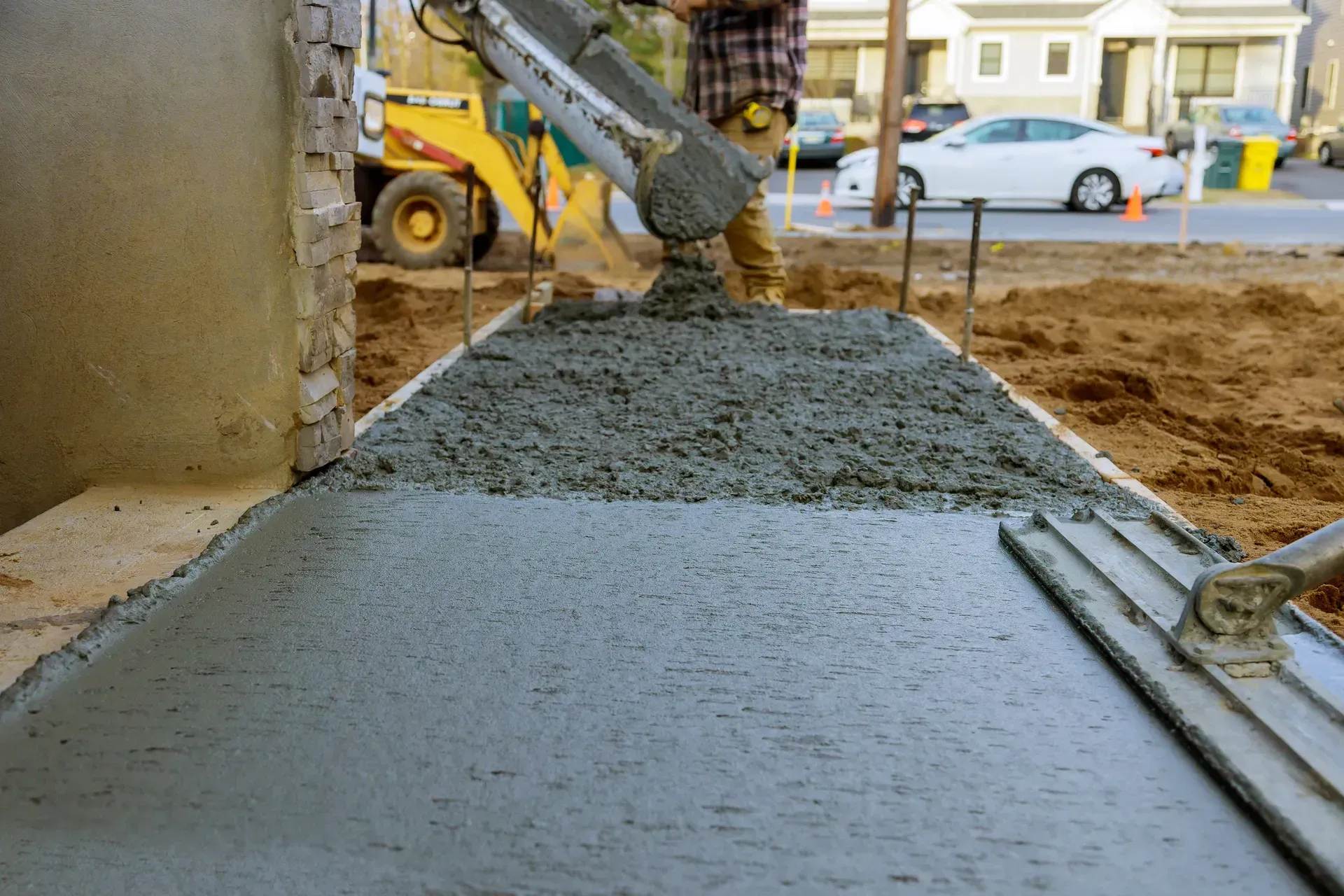
- Concrete work, asphalt work, gravel areas, or surface support
- Access routes, entrances, approaches, and drive lanes
- Hauling in rock, gravel, fill, or base material
- Removing spoils, debris, concrete, asphalt, or unwanted material
- Final grading and cleanup before use or the next trade
The exact scope depends on how the area will be used and what conditions already exist on the site.
Commercial Areas Have to Handle Traffic, Water, and Repeated Use
Commercial surfaces are usually expected to handle more than light vehicle use. Customers, employees, deliveries, trailers, equipment, service vehicles, and daily traffic all put stress on the base and surface.
Site prep matters because it affects:
- How vehicles enter, turn, park, load, and exit
- Whether stormwater moves away from the surface
- Whether asphalt, concrete, or gravel has enough base support
- Whether the surface ruts, settles, cracks, or holds water
- Whether old material needs to be removed before new work begins
- Whether the site is ready for curbs, pads, parking areas, entrances, or drive lanes
- Whether cleanup and hauling leave the area ready for use
A commercial area can look finished at the surface but fail early if the base, drainage, grade, or compaction is not handled correctly.
What Should Be Considered Before a Commercial Surface Goes In?
Before concrete, asphalt, gravel, or another commercial surface is installed, the site should be reviewed for the conditions that affect performance.
Existing surface condition
Old asphalt, concrete, gravel, slabs, or debris may need to be removed before new work can be properly prepared.
Traffic and intended use
A customer parking area, delivery lane, equipment route, storage pad, commercial entrance, and heavy-use drive aisle may each need different base and prep considerations.
Drainage and stormwater flow
Water needs a planned route. Commercial lots that hold water can develop soft base conditions, rutting, cracking, settling, erosion, and repeated maintenance issues.
Grade and slope
The area should be shaped so vehicles can use it safely and water can move without damaging the surface or surrounding property.
Base material and compaction
Concrete, asphalt, and gravel areas need a stable base that matches the traffic and site conditions. Loose or weak base material can lead to failure over time.
Access and entrances
The project may need improved entrances, approaches, access roads, culverts, drive lanes, or connection points to surrounding surfaces.
Hauling and cleanup
Commercial prep often involves moving a lot of material. Old asphalt, concrete, spoils, debris, rock, fill, base material, and cleanup should be included in the plan.
Common Commercial Site Prep Mistakes
Commercial prep problems often come from focusing too quickly on the finished surface without preparing the site around it.
Common mistakes include:
- Installing asphalt or concrete over weak base material
- Ignoring drainage until water is already standing on the lot
- Patching old surfaces when the subgrade or base needs correction
- Grading a parking area without planning stormwater movement
- Skipping compaction before surface work
- Forgetting about truck access, delivery routes, turning space, or entrances
- Leaving old concrete, asphalt, debris, or spoils in the way
- Treating parking areas, access, drainage, and hauling as separate projects
- Waiting until the final phase to address erosion, culverts, or low areas
A better plan prepares the ground first, then the surface.
A Practical Order for Commercial Site Prep
A commercial prep project should be planned around how the property will function after the work is complete.
Step 1: Define the finished use
Identify whether the area will be used for parking, deliveries, access, storage, equipment, customer traffic, employee traffic, or a commercial building pad.
Step 2: Review existing conditions
Look at old surfaces, drainage, base condition, access, slope, debris, and whether demolition or tear-out is needed.
Step 3: Address drainage and stormwater early
Plan ditches, swales, culverts, slope, outlets, or drainage paths before final surface work.
Step 4: Excavate, grade, and shape the site
Correct elevation, slope, soft areas, and rough surfaces so the base has a better starting point.
Step 5: Prepare base and compaction
Place and compact base material based on the surface type, traffic use, and site conditions.
Step 6: Complete surface work and cleanup
Finish concrete, asphalt, gravel, or surface support, then handle hauling, edges, final grading, and cleanup so the site is ready for use.
This sequence helps the finished commercial surface work with the property instead of fighting poor preparation.
Services
Related Services to Review
These services are commonly involved in commercial site preparation.
Planning a Commercial Surface or Parking Area?
Before the finished surface goes in, the site needs to be ready for traffic, drainage, base material, compaction, access, and cleanup.
RCR Construction can help you think through commercial grading, excavation, drainage, concrete, asphalt, base prep, hauling, and the next practical step for the property.
Contact Us
Ask About Commercial Site Prep
Share the property location, what surface or commercial area is planned, and what conditions need to be handled before the finished work goes in.