





Excavation Work That Sets the Site Up Right

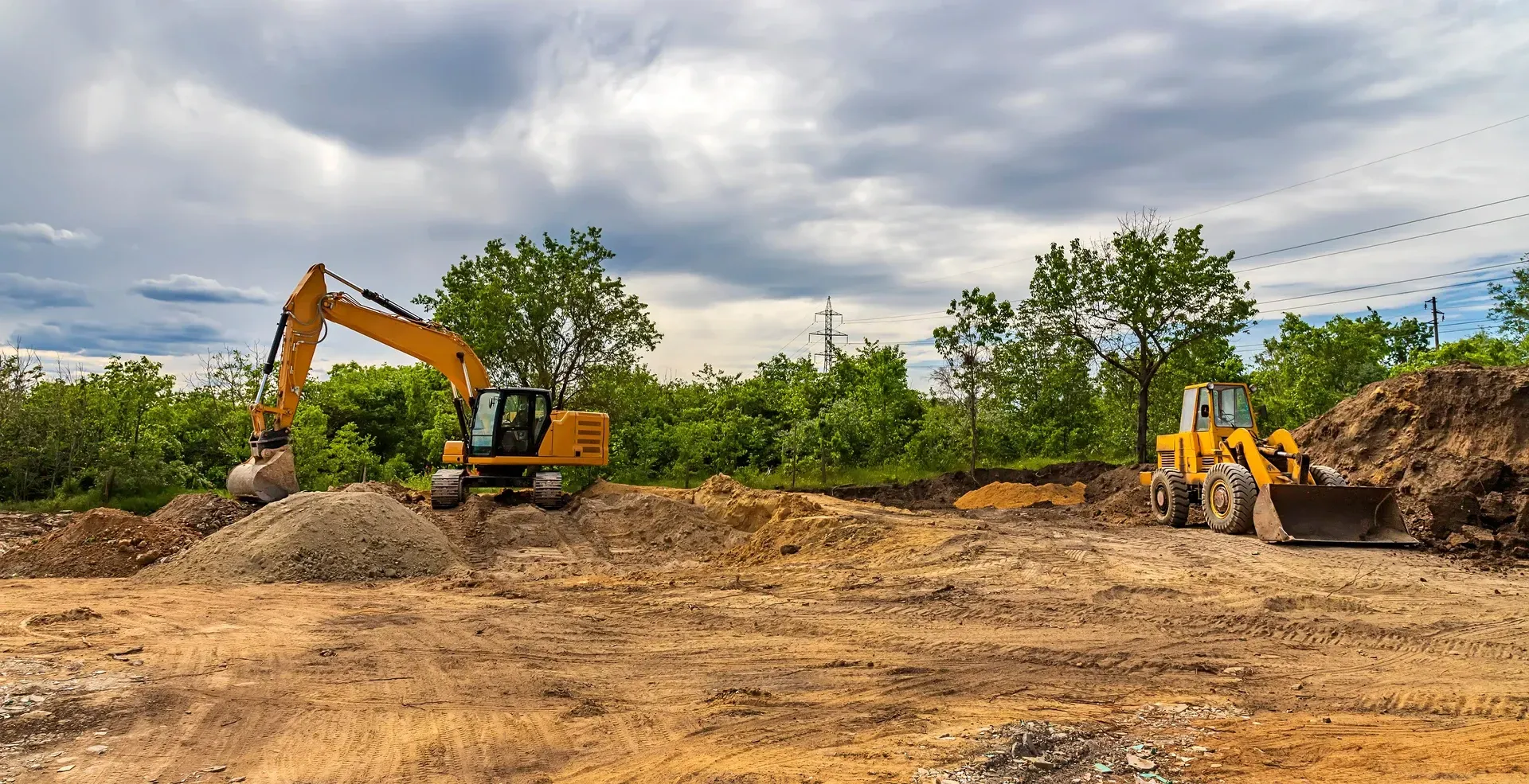
RCR Construction handles excavation, trenching, cut/fill, site shaping, and full site preparation for property owners, builders, rural land, and commercial projects around Rogers and Northwest Arkansas.


From rough dirt work to prep for drainage, driveways, pads, concrete, asphalt, and utilities, the excavation needs to support what comes next.


Site Prep for the Work That Comes Next

Excavation, trenching, earthmoving, and cut/fill work

Site shaping for pads, access, drainage, concrete, and asphalt

Residential, rural, commercial, and builder-focused dirt work

Support for single-service excavation or larger property projects

Hauling, grading, drainage, and cleanup support available

Request an Excavation & Site Prep Quote

Tell us what needs dug, shaped, prepared, or opened up. Share the project location and any details about access, drainage, building plans, or surface work.

Excavation and Site Prep Built Around the Whole Property

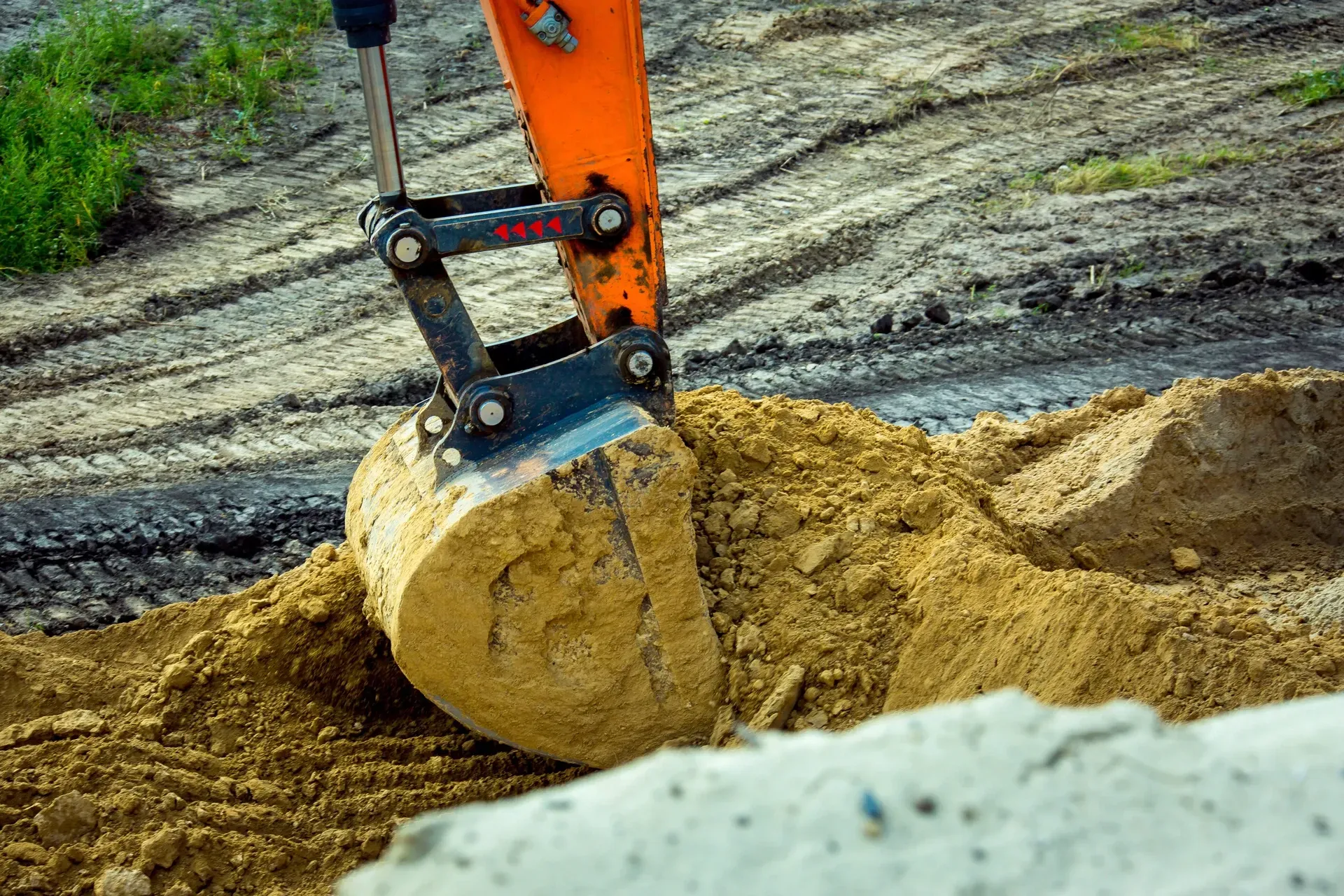
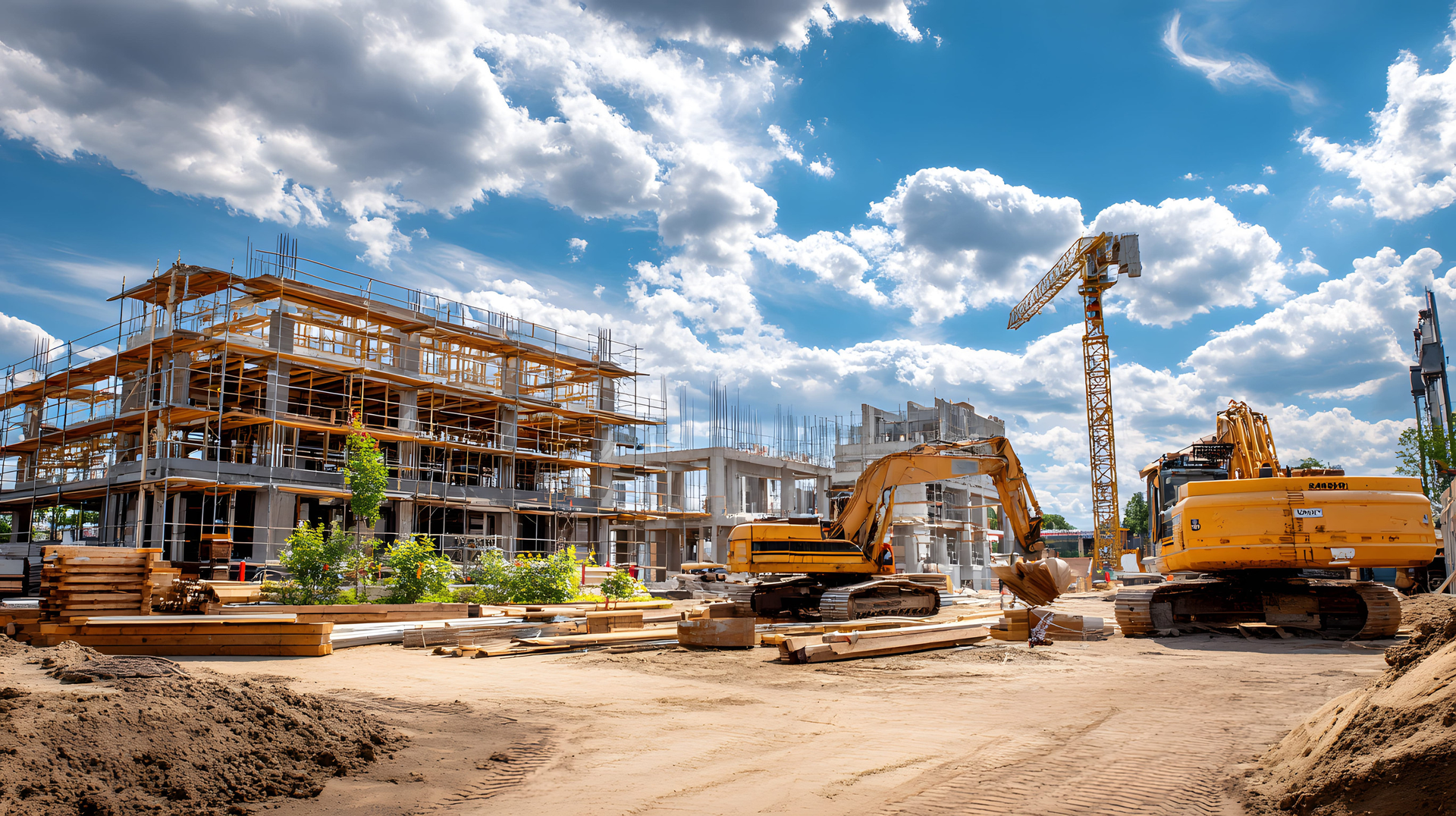
Excavation is more than digging a hole or moving a pile of dirt. The work affects drainage, access, elevation, base stability, future concrete, asphalt, building pads, utilities, and how the property can be used after the job is complete.


RCR Construction provides excavation and site prep for homes, shops, garages, barns, metal buildings, driveways, roads, parking areas, drainage projects, trenching, and larger property improvements. The work can include digging, shaping, cutting, filling, trenching, backfill, spoils removal, and cleanup.


The best excavation plan considers what the site is being prepared for. A pad, driveway, drainage line, asphalt surface, concrete area, or commercial prep job all need different decisions about depth, slope, base, access, and water flow.

When the Site Needs More Than Surface-Level Work

Some property problems cannot be fixed by spreading material on top. When elevations are wrong, drainage is poor, access is blocked, or the ground needs to be shaped for a new use, excavation may be the real starting point.

Excavation and site prep can help solve problems like:

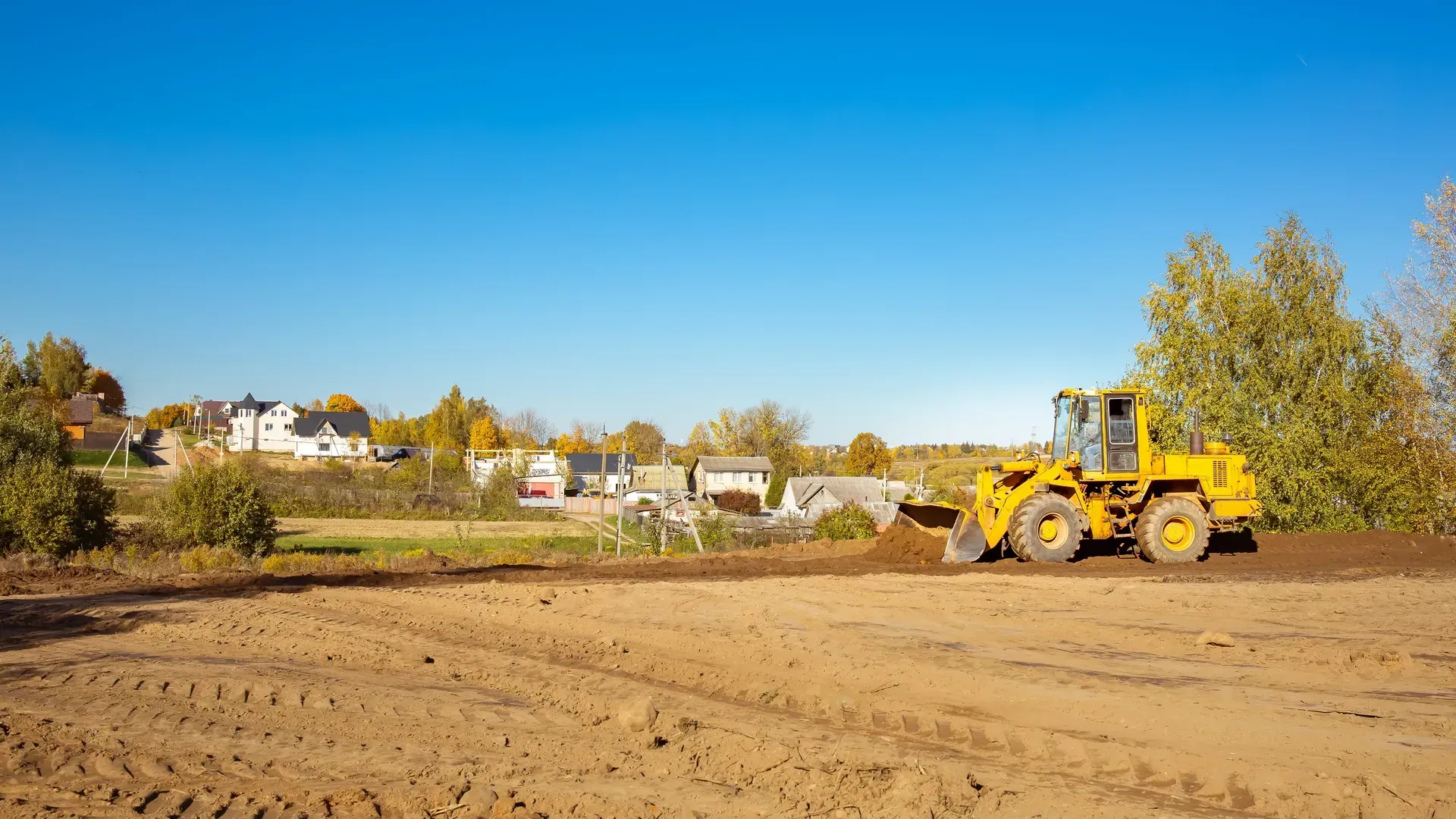
Ground that needs to be cut, filled, shaped, or balanced

Building areas that need excavation before pad, concrete, or foundation work

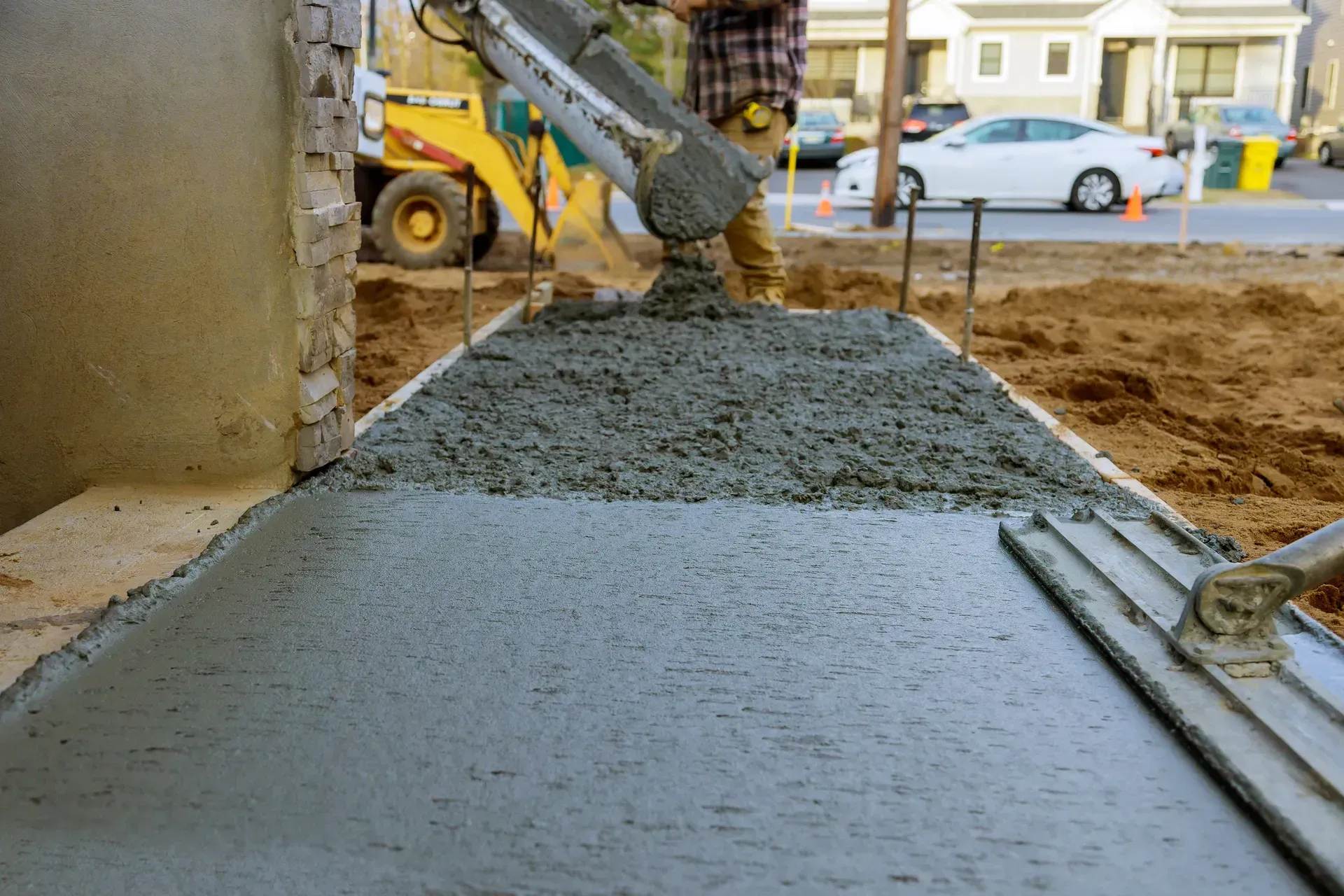
Driveway, road, or parking areas that need proper base preparation

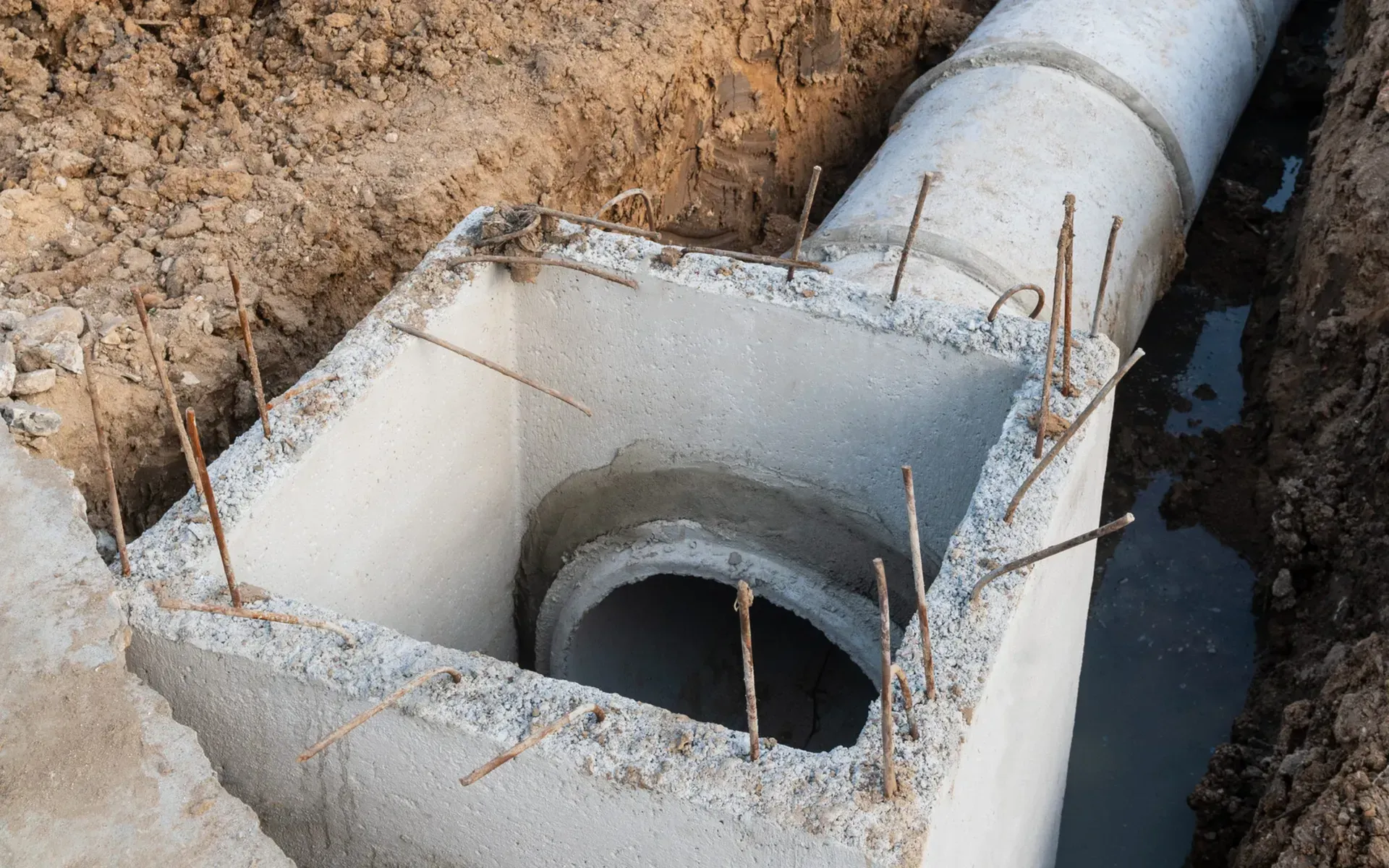
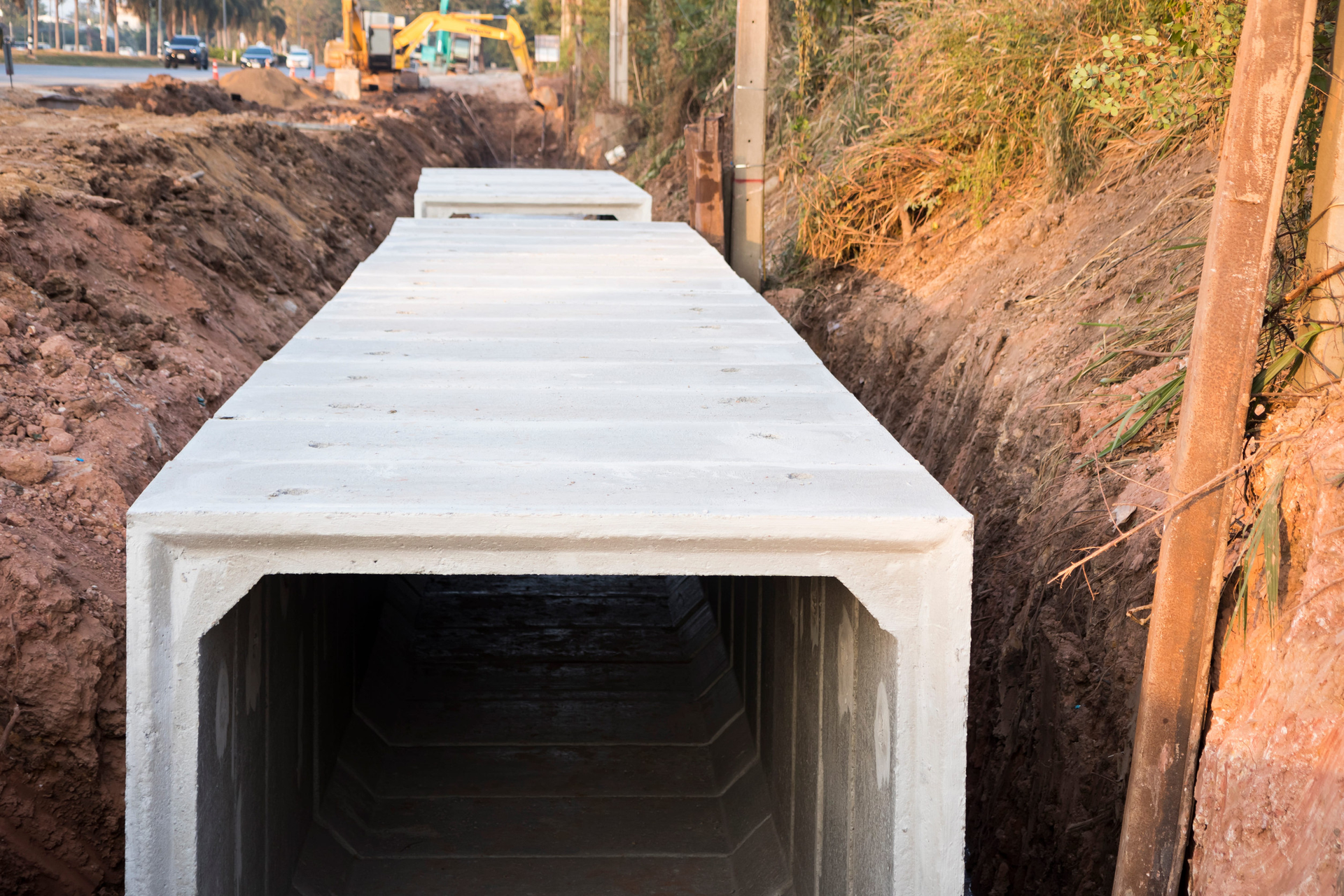
Drainage problems that require trenches, ditches, culverts, or water-flow changes

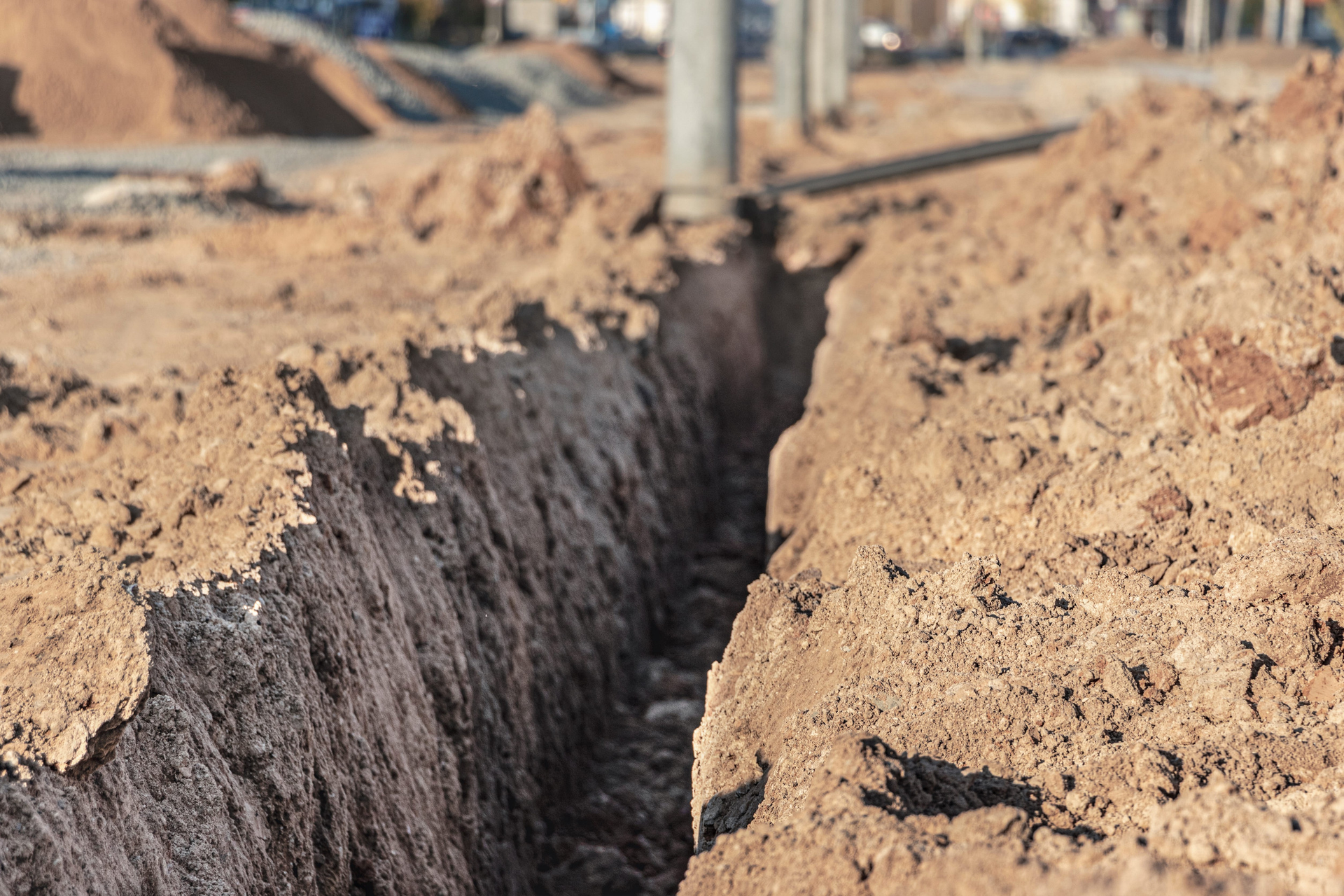
Utility, septic, or drainage lines that need trenching and backfill

Low spots, rough terrain, unsuitable material, or poor site access

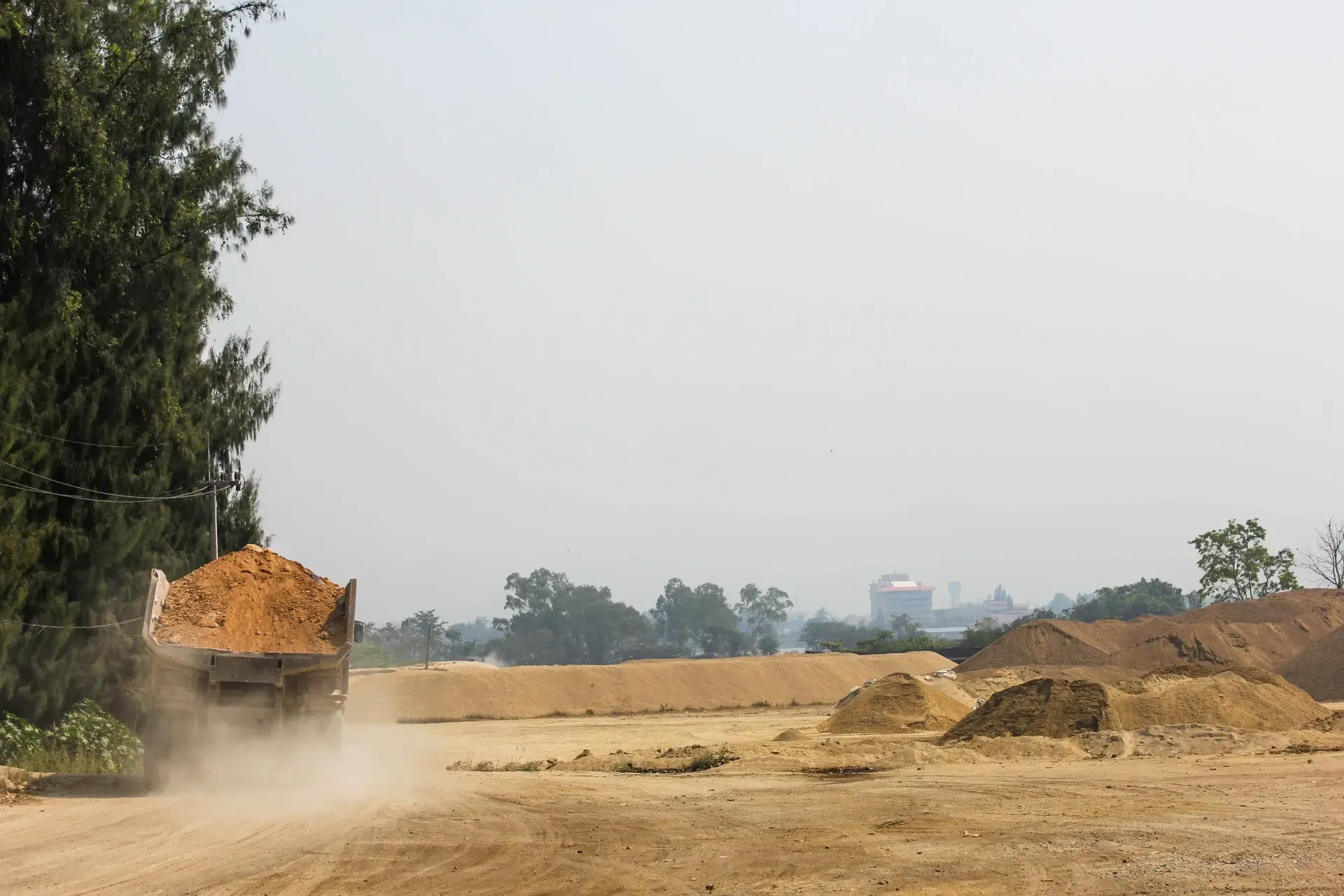
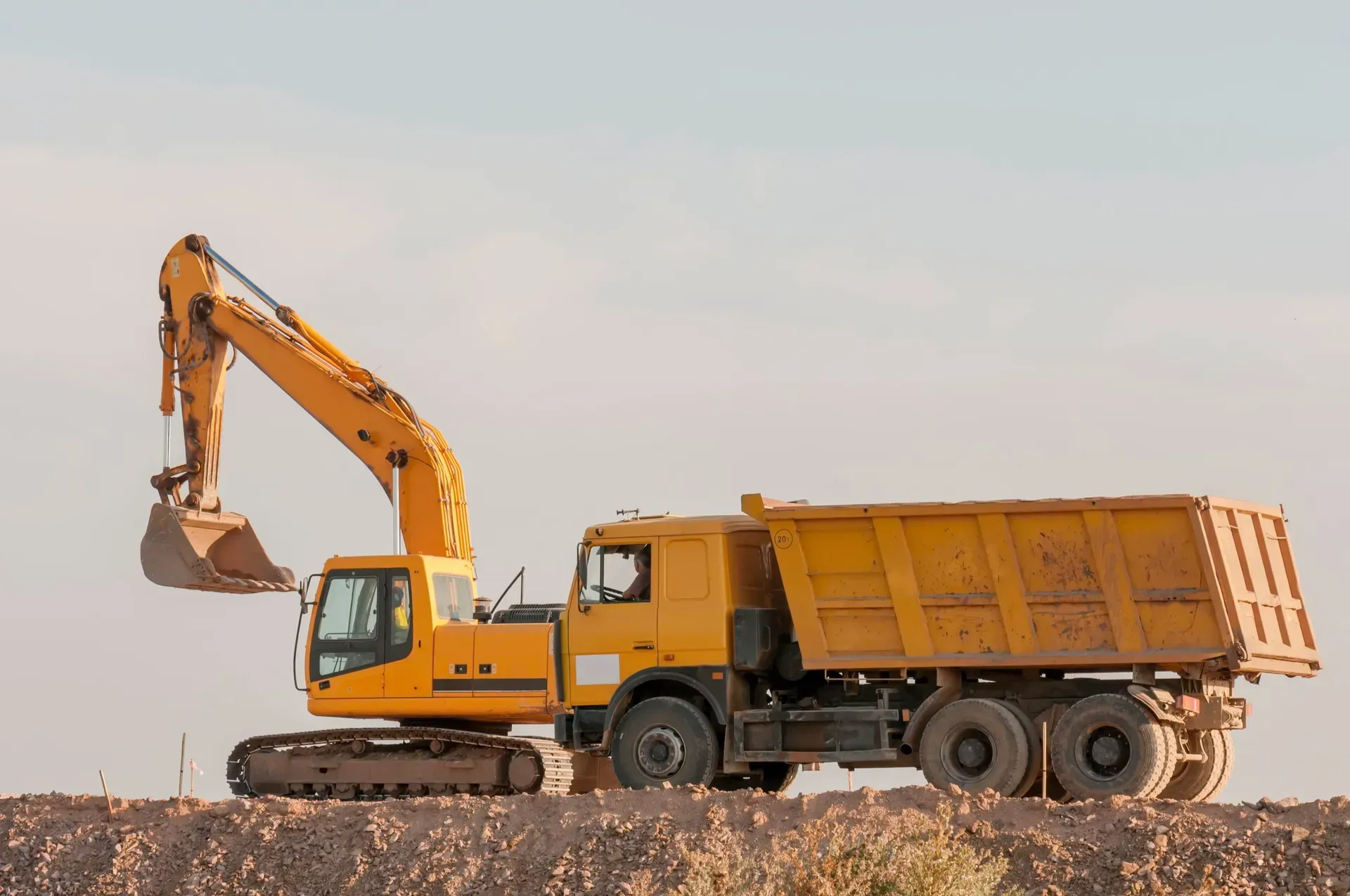
Dirt, rock, spoils, or material that needs to be moved, hauled, or cleaned up

The right excavation work gives the rest of the project a cleaner, more stable place to begin.
Signs Your Property May Need Excavation or Site Prep

Many customers know what they want built or fixed, but they are not always sure what dirt work has to happen first. Excavation may be needed when the property has to be reshaped before the next phase can work correctly.


You may need excavation and site prep if:

You are preparing for a shop, house, garage, barn, metal building, slab, driveway, or parking area
The ground needs to be dug down, built up, cut, filled, or shaped
Water needs a better path through a ditch, culvert, trench, swale, or drainage line
Access needs to be opened, widened, lowered, raised, or stabilized
Underground utilities, septic work, drainage pipe, or service lines need trenching
Old material, spoils, rock, or poor soil needs removal or replacement
The site is too rough, uneven, soft, or poorly draining for the next step
If the land has to be changed before the project can move forward, excavation is likely part of the plan.
Excavation Should Match the Finished Use

The way a site is excavated should depend on what is going there. A gravel driveway, asphalt parking area, concrete slab, shop pad, drainage line, utility trench, pond, or commercial site all have different needs.


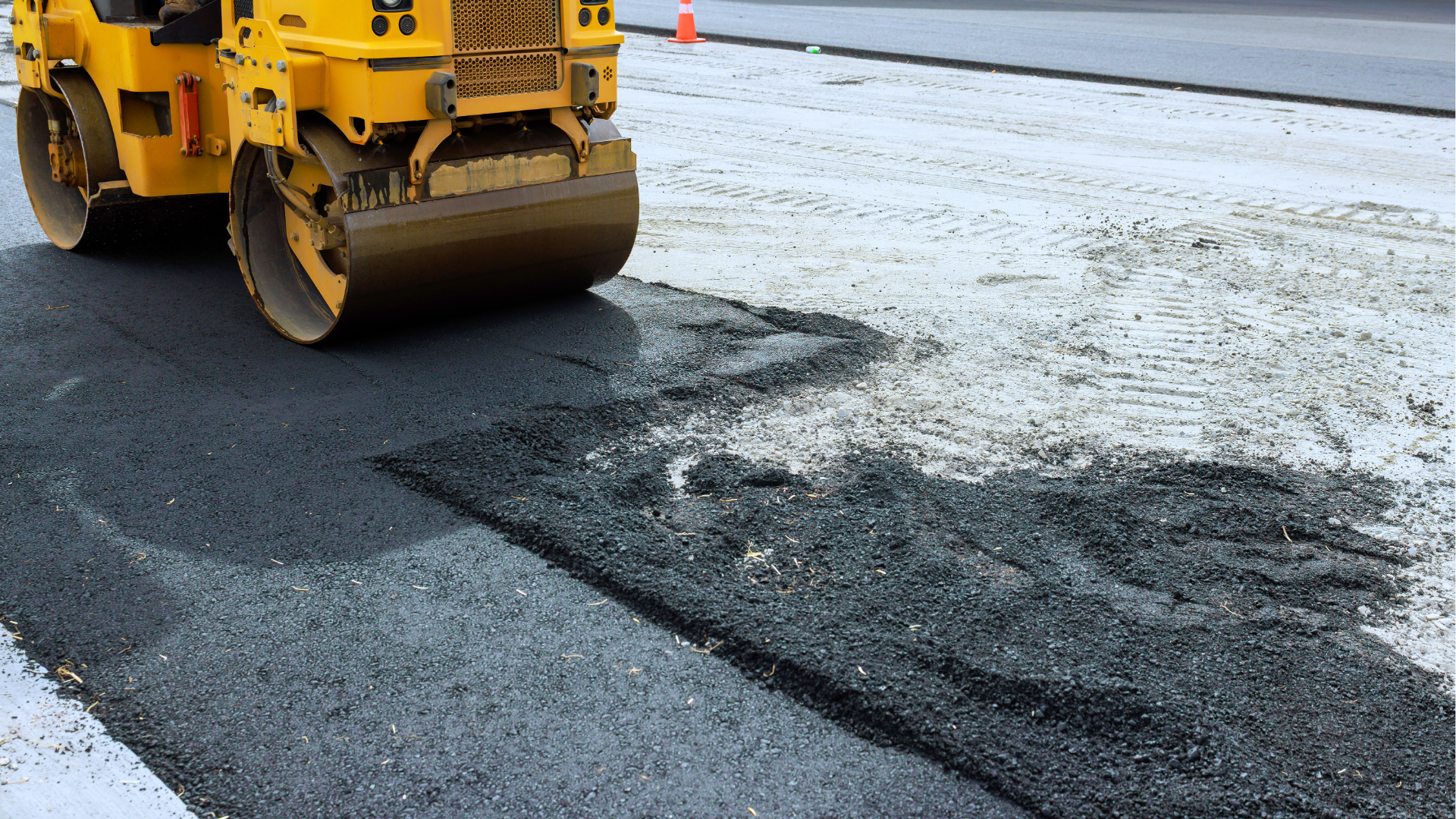
For example, excavation for a concrete or asphalt surface should think ahead to base depth, compaction, drainage, edge support, water runoff, and how vehicles will use the area. Excavation for a building pad should account for grade, slope, water flow, access, and the future structure. Excavation for drainage should focus on moving water where it belongs instead of creating a new low spot somewhere else.


RCR Construction connects excavation with related dirt work services when needed, including grading, drainage, building pads, driveways, concrete, asphalt, trenching, hauling, and site cleanup. That helps the work move beyond digging and toward a property that is actually ready to use.

Step 4

Step 3

The project may involve clearing, excavation, base work, culverts, concrete, asphalt, hauling, or sequencing several pieces correctly.

You get a clearer understanding of what work is included and what needs to happen before the next phase.

Our Process

How the Excavation & Site Prep Process Works
RCR Construction keeps the excavation process focused on the project goal, site conditions, and what needs to happen after the dirt is moved.

Step 1

Send the property location, what you need prepared, any known plans, photos, access notes, and details about drainage, concrete, asphalt, utilities, or building work.

Step 2

RCR looks at access, slope, soil, water flow, existing surfaces, rough grade, and what equipment may be needed.

Step 3

The work may involve digging, cut/fill, shaping, trenching, spoils removal, backfill, base preparation, or coordination with grading and drainage.

Step 4

Excavation is handled so the next phase has a better starting point, whether that is a pad, driveway, concrete, asphalt, drainage system, utility trench, or commercial area.

Step 5

Dirt, rock, spoils, debris, or imported material can be moved, hauled, placed, or cleaned up based on the scope.

Step 6

The final goal is a site that is better shaped, more accessible, better prepared, and ready for grading, surface work, construction, or continued site prep.

Related Project Options

Excavation Often Connects to a Larger Property Project
Excavation is commonly one part of a bigger plan. These project paths help connect the digging, shaping, trenching, and site prep into a complete outcome.
Full Project Management
For larger property projects that may include clearing, excavation, grading, drainage, access, pads, concrete, asphalt, hauling, and cleanup in the right order.
Building a Shop, House, Garage, Barn, or Metal Building
For customers preparing a site for a structure and needing excavation, grading, access, drainage, pad work, concrete, asphalt, utilities, and finish prep.
Fixing Drainage & Water Problems
For properties where excavation supports ditches, culverts, drainage lines, swales, runoff correction, slope changes, and water-flow improvement.

Related Services

Services That Commonly Connect to Excavation
Excavation often works best when it is planned alongside the services that follow it or support it.
Grading & Leveling
Rough grading, finish grading, slope correction, and surface shaping after excavation work is complete.
Building Pads & Concrete Prep
House pads, shop pads, garage pads, barn pads, metal building pads, concrete prep, base work, and compaction.
Drainage, Culverts & Stormwater
Culvert excavation, ditches, swales, drainage pipe, runoff correction, and stormwater improvements.
Driveways, Roads & Access
Driveway excavation, road shaping, access routes, base prep, gravel, concrete, asphalt, and culvert support.
Trenching, Septic & Utilities
Utility trenches, septic prep, drainage lines, underground prep, backfill, and compaction.
Hauling & Materials
Dirt, rock, gravel, spoils, debris, fill, material delivery, placement, removal, and cleanup.
Excavation Should Make the Next Phase Easier

The value of excavation is not only in how much dirt gets moved. It is in whether the site is better prepared after the work is done.


RCR Construction focuses excavation and site prep around practical jobsite needs:

How equipment, vehicles, builders, or property owners will access the area
Where water needs to move when the work is complete
What material needs to be cut, filled, removed, replaced, or compacted
Whether the next phase includes gravel, concrete, asphalt, drainage, utilities, or a structure
How the site should be shaped so it is easier to finish and maintain
What cleanup or hauling is needed to leave the property usable
That kind of planning helps excavation support the whole project instead of creating new problems for the next phase.

Why Choose Us?

Why Choose RCR Construction for Excavation & Site Prep?
Site Prep With the End Use in Mind
RCR does not treat clearing as a random cut-and-clean job. The work should support what happens next, whether that is grading, drainage, access, concrete, asphalt, or construction prep.
Full Dirt Work Capability
Excavation can be connected with grading, drainage, driveways, pads, concrete, asphalt, trenching, hauling, demolition, ponds, and cleanup when the project requires more than digging.
Practical Project Sequencing
The order of work matters. RCR helps make sure excavation supports access, water flow, base prep, surface work, and the next phase.
Support for Residential, Rural, Commercial, and Builder Projects
RCR can help with private property improvements, rural land, new build sites, commercial areas, driveways, pads, and larger site preparation needs.
Material Handling and Cleanup
Excavation often creates spoils, debris, rock, or material movement needs. RCR can help with hauling, placement, spreading, and cleanup as part of the scope.

Avoca

Tontitown

Avoca

Avoca

Springdale

Cave Springs

Rogers

Fayetteville

Rogers

Lowell

Avoca

Garfield

Elm Springs

Johnson

Fayetteville

Prairie Grove

Bella Vista

Gateway

Rogers

Bentonville

Excavation & Site Prep Around Rogers and Northwest Arkansas

RCR Construction provides excavation and site prep in Rogers and nearby Northwest Arkansas communities within roughly 40 miles, depending on project scope, access, scheduling, and site conditions.


Service areas include:

Rogers

Bentonville

Springdale

Fayetteville

Lowell

Cave Springs

Centerton

Little Flock

Bella Vista

Pea Ridge

Avoca

Garfield

Gateway

Prairie Creek

Highfill

Elm Springs

Tontitown

Johnson

Farmington

Prairie Grove

Goshen

Elkins

Siloam Springs

Gentry

Decatur

Gravette

Sulphur Springs

Eureka Springs

Huntsville

Nearby cross-border areas may also be considered by project fit, including West Siloam Springs, Watts, Pineville, Jane, Noel, Anderson, and Goodman.

Blogs

Helpful Excavation & Site Prep Planning Guides
These articles can help property owners understand how excavation connects to the larger project.
May 20, 2026
A Building Project Goes Smoother When the Site Is Ready First Preparing a shop pad or house pad is not just about making the ground look level. The pad area needs to support the future structure, move water correctly, allow access for equipment and materials, and work with concrete, asphalt, utilities, septic, driveways, and the rest of the site plan. For property owners around Rogers and Northwest Arkansas, building pads often have to account for slope, runoff, soft areas, wooded land, rural access, drainage paths, and future surface needs. If those details are missed early, they can create problems later in the build. A good pad starts with planning the site around the structure and everything that needs to happen around it. Pad Prep Is the Dirt Work That Supports the Structure A shop pad or house pad is the prepared area where the future structure will sit. Depending on the project, the pad may need clearing, excavation, grading, drainage correction, base material, compaction, utility planning, concrete work, and cleanup. Pad prep may include: Clearing brush, trees, debris, or overgrowth from the build area Opening driveway or equipment access to the site Excavating high areas or filling low areas Rough grading and finish grading Correcting drainage around the building location Preparing the subgrade for base material Placing and compacting base rock or fill when needed Planning utility trenching, septic prep, or drainage lines Preparing for concrete slabs, approaches, or aprons Considering asphalt or gravel access around the finished structure Hauling in material or removing spoils and debris The exact scope depends on the building type, site conditions, soil, slope, drainage, and what the structure needs to support. The Pad Affects the Slab, the Structure, and the Site Around It A poorly prepared pad can create problems that show up after the project is already moving. Water may collect around the slab. The base may settle. Access may not support trucks or equipment. Utility trenching may be missed until after surfaces are finished. Concrete or asphalt may be installed over a site that was not properly shaped. Pad prep matters because it affects: How water moves around the future structure Whether the building area is stable and properly shaped How concrete slabs, aprons, driveways, or asphalt surfaces perform Whether trucks, builders, and equipment can reach the site Where utility, septic, or drainage lines need to go Whether material needs to be hauled, placed, compacted, or removed How much rework may be needed later The pad is one piece of the site, but it connects to almost everything else around the build. What Should Be Considered Before Preparing a Pad? Before pad work begins, it helps to review the property as a whole. Access to the build area Equipment, material deliveries, concrete trucks, asphalt work, builders, and future vehicles may need a driveway, road, construction entrance, or stabilized access route. Water flow and drainage Water should not be directed toward the future structure or allowed to sit around the pad. Grading, ditches, swales, culverts, or drainage paths may be needed. Elevation and slope The pad should be shaped around the surrounding grade. Cutting, filling, and leveling may be needed so the building area works with the rest of the property. Soil and base conditions Soft, wet, loose, or unsuitable material may need to be corrected before the pad can support the next phase. Concrete and asphalt needs If the project includes a concrete slab, apron, driveway, parking area, or asphalt access, the base, grade, compaction, and drainage should be planned before the finished surface goes in. Utilities and septic Utility trenching, septic prep, drainage lines, and underground work should be considered before final grading, concrete, asphalt, or finished access routes are completed. Hauling and cleanup Pad work can create spoils or require imported material. Hauling, spreading, compaction, and final cleanup should be part of the plan. Common Building Pad Prep Mistakes Pad prep can create expensive rework when it is treated as a simple leveling job instead of part of the full site plan. Common mistakes include: Preparing the pad before planning driveway or equipment access Making the area flat without considering water flow Ignoring drainage until after concrete or construction begins Placing concrete over weak, wet, or poorly prepared base material Forgetting utility, septic, or drainage trenching until after final surfaces are installed Skipping compaction or base prep where the site needs support Leaving spoils, brush, debris, or old material in the way Treating the pad separately from driveways, concrete, asphalt, drainage, and cleanup A better approach is to prepare the pad around how the structure and property will actually be used. A Practical Order for Preparing a Shop Pad or House Pad A building pad project should be planned in a sequence that supports the full build. Step 1: Define the structure and site goal Identify whether the project is a shop, house, garage, barn, metal building, addition, or other structure, and what surfaces or access will be needed around it. Step 2: Open access to the work area Clear the route, build a construction entrance, improve the driveway, or prepare access for equipment and deliveries. Step 3: Clear and clean the pad area Remove brush, trees, debris, old material, concrete, asphalt, or anything that prevents proper prep. Step 4: Handle excavation and grading Cut, fill, shape, level, and prepare the area around the needed elevation and surrounding grade. Step 5: Plan drainage before final pad work Correct runoff, low spots, ditches, swales, culverts, or water paths before the slab or structure is installed. Step 6: Prepare base, compaction, utilities, and surfaces Coordinate base prep, compaction, utility trenching, septic prep, concrete, asphalt, and cleanup so the pad is ready for the next phase. This sequence can help the pad support the structure instead of creating problems around it.
May 20, 2026
A Building Project Goes Smoother When the Site Is Ready First Before a garage, barn, metal building, shop, or outbuilding goes up, the property needs to be prepared for construction traffic, drainage, pad work, utilities, concrete, asphalt, hauling, and future use. For property owners around Rogers and Northwest Arkansas, the site may involve raw land, wooded areas, slope, wet spots, rural access, existing driveways, old material, or rough ground. Those conditions can affect the build long before the structure is delivered or framed. This checklist is designed to help you think through the dirt work and site prep pieces before the main building phase begins. Site Prep Is the Work That Gets the Property Ready for the Build Site prep is the dirt work, access work, drainage work, surface prep, and cleanup that make the property ready for a structure and the activity around it. For a garage, barn, or metal building, site prep may include: Clearing brush, trees, debris, or old material Building or improving driveway access Excavating and shaping the building area Grading the pad and surrounding land Correcting water flow before the slab or structure goes in Preparing base material and compaction Planning concrete slabs, aprons, approaches, or work areas Planning asphalt access, asphalt driveways, or parking areas when needed Trenching for utilities, septic, or drainage lines Hauling in rock, gravel, fill, or base material Removing spoils, debris, concrete, asphalt, brush, or old material Cleaning up the site so the next phase can begin The exact checklist depends on what is being built and how the property will be used after construction. Missed Site Prep Can Create Delays and Rework The structure may be the main goal, but the ground around it often decides how smoothly the project goes. A building site with poor access, standing water, soft base, unfinished trenching, or unplanned concrete/asphalt needs can create problems during and after construction. Site prep matters because it can affect: Whether crews, trucks, materials, and equipment can reach the building area Whether water moves away from the slab, pad, and access routes Whether the pad is stable enough for the next phase Whether concrete, asphalt, or gravel surfaces are supported correctly Whether utilities or septic need to be trenched before final surfaces Whether leftover material or debris blocks progress Whether the site is usable after the structure is complete A checklist helps catch these issues before they become more expensive to fix later. Site Prep Checklist Before the Build Starts Use this checklist before building a garage, barn, metal building, shop, or similar structure. Confirm the building location Make sure the planned location works with access, grade, drainage, utilities, property use, and future surfaces. Review access to the site Ask how equipment, concrete trucks, asphalt work, material deliveries, trailers, and daily vehicles will reach the building area. Access may need clearing, grading, gravel, culverts, concrete, or asphalt. Clear the work area Brush, trees, undergrowth, old debris, damaged concrete, asphalt, or unwanted structures may need to be removed before site work begins. Check drainage before pad work Look for standing water, runoff, low spots, ditches, culverts, and soft ground. Water should be managed before the pad, concrete, asphalt, or structure is finished. Plan excavation and grading The building area may need cut/fill, rough grading, finish grading, slope correction, and pad shaping so the site supports the structure and surrounding use. Prepare the pad and base The pad may need base material, compaction, subgrade prep, and cleanup before concrete or construction moves forward. Plan concrete and asphalt needs Decide whether the project needs a concrete slab, apron, approach, driveway, work surface, parking area, asphalt access, or asphalt driveway. These surfaces should be planned with grade, base, drainage, and compaction in mind. Think through utilities and septic Utility trenching, septic prep, drainage lines, and underground work should be considered before final grade, concrete, asphalt, or access surfaces are completed. Include hauling and material handling The project may need rock, gravel, fill, base material, dirt, or riprap brought in. It may also need brush, spoils, concrete, asphalt, or debris hauled away. Plan final cleanup and site readiness The site should be left ready for the next trade, surface, structure, or daily use—not blocked by leftover material, rough edges, or unfinished grading. Common Site Prep Mistakes Before Building Many building site problems happen because the dirt work is treated as separate from the structure plan. Common mistakes include: Choosing a building location without considering drainage or access Clearing the pad area but not the driveway or equipment path Preparing a flat pad without shaping water away from the structure Pouring concrete before underground utilities, septic, or drainage are planned Installing asphalt or gravel access before culverts or ditches are corrected Skipping base prep or compaction where the site needs support Forgetting to include hauling, debris removal, or cleanup Waiting until construction starts to fix soft ground, low spots, or slope issues Treating concrete, asphalt, pads, grading, and drainage as unrelated decisions A better approach is to make the building plan and the site work plan support each other. A Practical Order for Garage, Barn, or Metal Building Site Prep The right order depends on the property, but this sequence can help guide the planning process. Step 1: Start with the structure and use Identify what is being built and how the building, driveway, parking, concrete, asphalt, and surrounding land will be used. Step 2: Plan access before heavy work begins Make sure equipment, trucks, materials, and future vehicles can reach the site safely and efficiently. Step 3: Clear and clean the needed areas Remove brush, trees, debris, old surfaces, or structures that block the work area or access route. Step 4: Address drainage and grade Correct runoff, low spots, slope, culverts, ditches, and water movement before final pad or surface work. Step 5: Prepare the pad, base, and underground routes Coordinate excavation, grading, compaction, utility trenching, septic prep, drainage lines, and base material. Step 6: Finish surfaces and cleanup Complete concrete, asphalt, gravel, hauling, spreading, and cleanup in a way that leaves the site ready for the next phase. This kind of sequence can help reduce delays and avoid undoing finished work.

FAQs

Excavation & Site Prep Questions
  • Do I need to clear everything on the property?

    Not always. The clearing plan should match the purpose of the project. Some properties only need access routes, building areas, fence lines, drainage paths, or specific sections cleared.

  • Can excavation be combined with grading, drainage, concrete, or asphalt?

    Excavation and site prep may include digging, trenching, cut/fill, site shaping, earthmoving, drainage excavation, driveway excavation, pad preparation, spoils removal, backfill, base prep, hauling, and cleanup depending on the project.

  • Do I need excavation before building a shop, garage, barn, house, or metal building?

    Many building projects need some level of excavation or site prep before the pad, slab, driveway, utilities, or drainage work can be completed. The amount depends on the property conditions and the building plan.

  • What should I send for an excavation quote?

    Send the property location, project goal, photos if available, any site plans or rough dimensions, access notes, drainage concerns, and whether the project involves concrete, asphalt, utilities, pads, or driveways.

  • Can RCR haul away dirt, rock, spoils, or debris from excavation work?

    Yes. Hauling and material handling can be included when excavation creates spoils, rock, debris, or excess material that needs to be moved, placed, delivered, or removed.

  • Does RCR provide excavation outside Rogers?

    RCR Construction serves Rogers and nearby Northwest Arkansas communities including Bentonville, Springdale, Fayetteville, Lowell, Cave Springs, Centerton, Bella Vista, Pea Ridge, Siloam Springs, and surrounding areas depending on project fit.

Ready to Prepare the Site Correctly?
Shape the ground, open the access, or dig what needs to be dug.
Plan excavation around drainage, base, surface work, utilities, and the next phase.
Send the project details and RCR Construction will help you move forward.

Contact Us

Request Your Excavation & Site Prep Quote
Share the project location, what needs excavated or prepared, and what the site needs to support next. RCR Construction can review the details and help you plan the right scope.